

Working Principle and Characteristics of Soda Ash Pneumatic Conveying
Understanding the working principle and characteristics of soda ash pneumatic conveying is crucial for optimizing material handling processes in various industrial applications. This article provides a detailed overview of how pneumatic conveying systems operate and the key attributes that make them effective for transporting soda ash, with insights from Shandong HeadPowder Engineering Co., Ltd., a leading provider of industrial material handling solutions based in China.
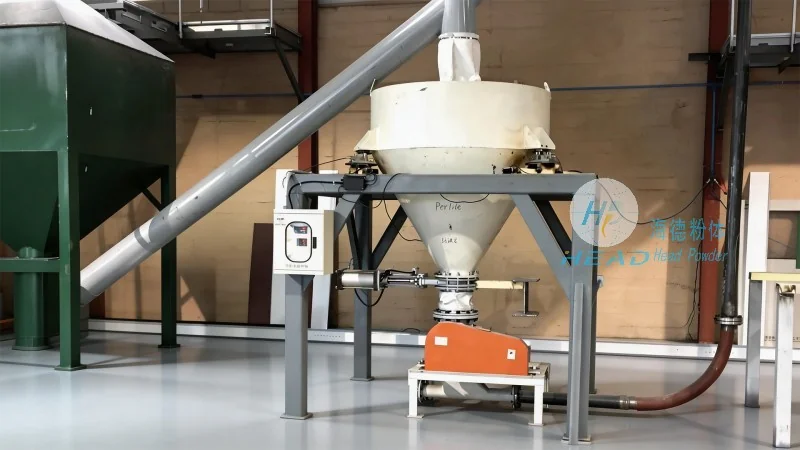
1. Working Principle of Soda Ash Pneumatic Conveying
Soda ash, also known as sodium carbonate, is a widely used chemical in industries such as glass manufacturing, chemical processing, and water treatment. Pneumatic conveying is a method that uses air or other gases to transport bulk materials like soda ash through a pipeline system. The process typically involves two main types: aspiration (or vacuum) conveying and pressure conveying. In aspiration systems, a vacuum is created at the material inlet to draw the soda ash into the pipeline, while pressure systems use compressed air to push the material forward. The choice between these methods depends on factors like the distance of transport, the quantity of material, and the required system pressure. The core components of a pneumatic conveying system include a material hopper, a conveying line, a dust collector (if needed), and a discharge outlet. The material is fed into the hopper, and the air is introduced to create the necessary flow, ensuring the soda ash moves smoothly through the pipeline without clogging or degradation.
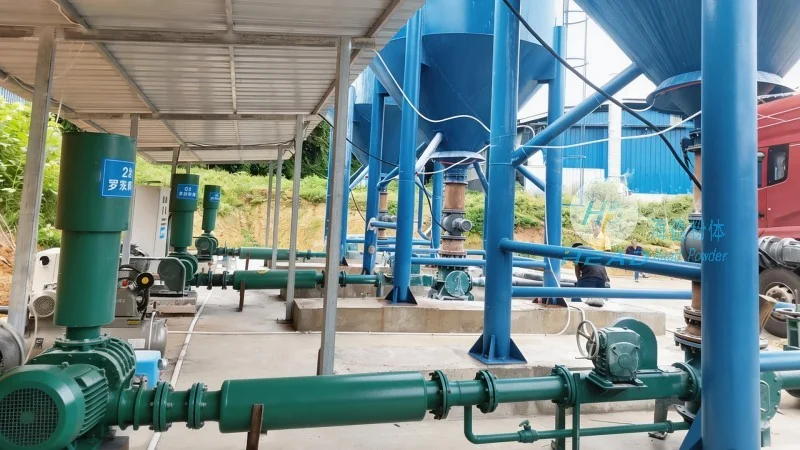
2. Key Characteristics of Soda Ash Pneumatic Conveying Systems
The characteristics of soda ash pneumatic conveying systems are designed to enhance efficiency, safety, and reliability in material handling. Some of the most notable features include:
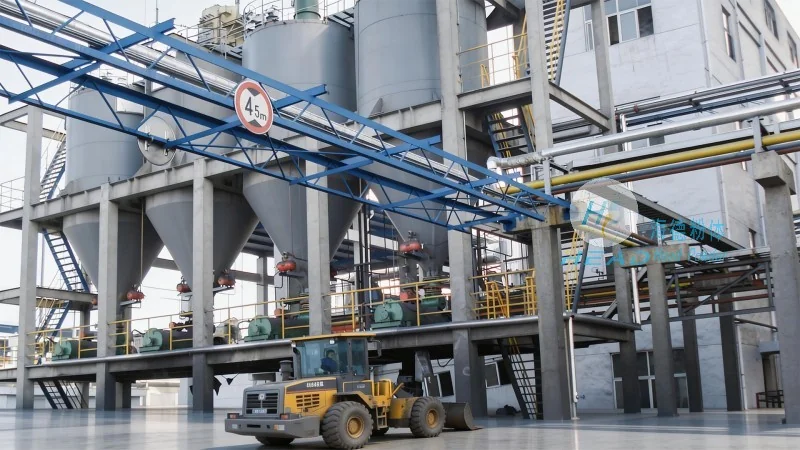
- High Efficiency and Throughput: Pneumatic conveying systems can transport large volumes of soda ash quickly and continuously, reducing downtime and increasing production rates compared to traditional methods like belt conveyors or manual handling.
- Low Maintenance Requirements: Compared to mechanical conveyors, pneumatic systems have fewer moving parts, which minimizes wear and tear and reduces the need for frequent maintenance. This leads to lower operational costs and longer system lifespans.
- Improved Safety and Hygiene: By enclosing the material in a pipeline, pneumatic conveying prevents dust exposure and contamination, which is particularly important for soda ash, as it can be a respiratory irritant. The sealed system also reduces the risk of material spillage and environmental contamination.
- Flexibility in Layout: Pneumatic conveying systems can be easily integrated into existing industrial layouts, with the ability to change the direction of the pipeline or add additional branches without major structural modifications. This flexibility allows for customized solutions tailored to specific plant configurations.
- Energy Efficiency: Modern pneumatic conveying systems are designed to optimize air usage, reducing energy consumption while maintaining high transport efficiency. Advanced control systems can adjust air pressure and flow rates based on real-time demand, further improving energy efficiency.
3. Application Considerations for Soda Ash Pneumatic Conveying
When implementing a soda ash pneumatic conveying system, several factors must be considered to ensure optimal performance. The first is the material properties of soda ash, such as its particle size, density, and flowability. Coarse or irregularly shaped particles may require specialized equipment, such as rotary valves or airlocks, to prevent blockages. The second consideration is the transport distance and vertical lift required. Longer distances or significant vertical elevations may necessitate higher air pressures or additional boosters to maintain material flow. The third factor is the system capacity, which must be matched to the production rate of the soda ash source. Overloading the system can lead to reduced efficiency and increased wear on components. Finally, the environmental regulations and health and safety standards must be adhered to, as soda ash is a fine powder that can pose health risks if not handled properly.
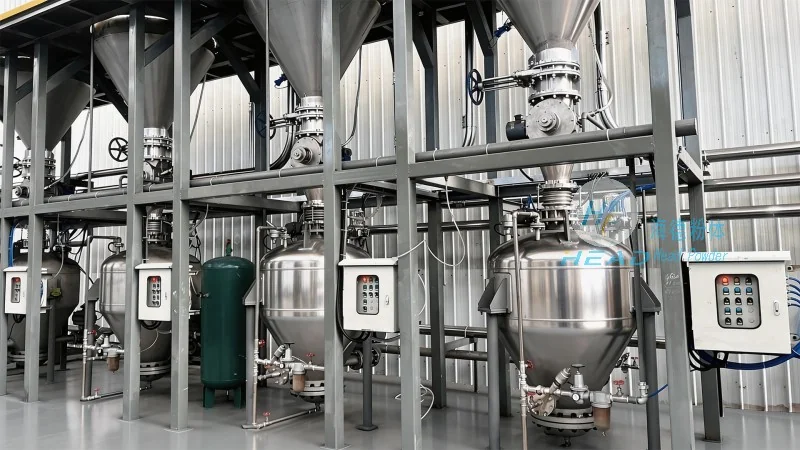
4. Conclusion
Soda ash pneumatic conveying systems offer a reliable and efficient solution for transporting bulk soda ash in industrial settings. By understanding the working principles and key characteristics of these systems, businesses can make informed decisions about implementing or upgrading their material handling infrastructure. The combination of high throughput, low maintenance, and enhanced safety makes pneumatic conveying an attractive option for industries that rely on soda ash as a critical raw material.