

What is a Carboxymethyl Cellulose Powder Pneumatic Conveying System? And What Are Its Design Princip
Carboxymethyl cellulose (CMC) is a widely used chemical additive in various industrial applications, and the efficient handling of CMC powder through pneumatic conveying systems is crucial for maintaining product quality and operational efficiency. This article explores the concept of a CMC powder pneumatic conveying system, detailing its design principles and technical considerations.
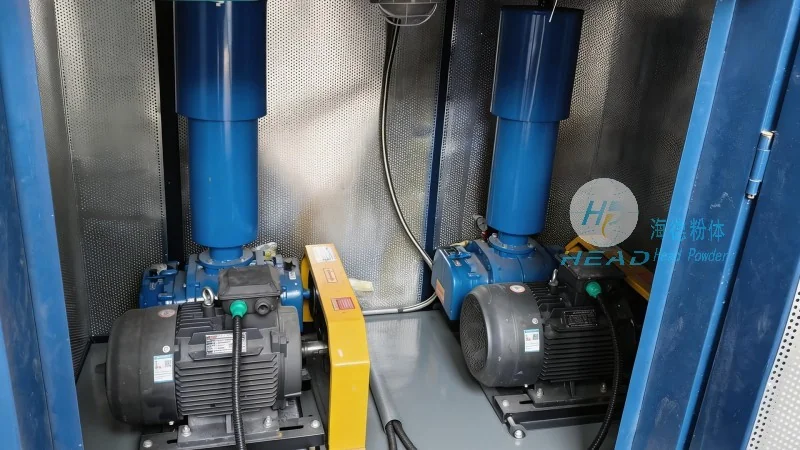
Pneumatic Conveying Systems for CMC Powder: An Overview
HeadPowder, a leading provider of powder handling solutions, specializes in the design and implementation of pneumatic conveying systems tailored to the unique properties of carboxymethyl cellulose. The CMC powder pneumatic conveying system is engineered to transport CMC powder from storage silos or processing units to downstream equipment such as mixers, reactors, or packaging lines. This method offers several advantages over traditional mechanical conveying, including reduced product contamination, improved process control, and enhanced safety by eliminating the need for manual handling of powders.
The Role of HeadPowder Engineering in CMC Pneumatic Conveying
Shandong HeadPowder Engineering Co., Ltd., based in China, leverages decades of expertise in powder technology to develop customized pneumatic conveying solutions for CMC applications. The company’s team of engineers works closely with clients to understand their specific process requirements, material characteristics, and operational constraints. By integrating advanced design software and real-world testing, HeadPowder ensures that each system is optimized for maximum efficiency and reliability.
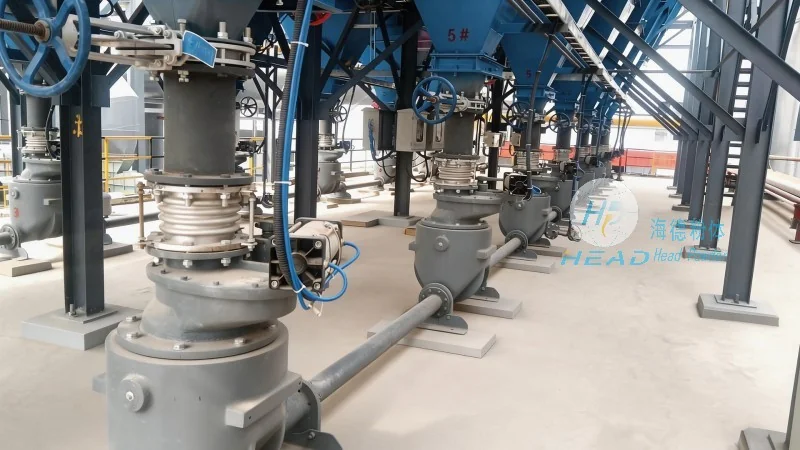
Design Principles of a CMC Powder Pneumatic Conveying System
The design of a CMC powder pneumatic conveying system involves several key principles that ensure effective and safe powder transport. First, the system must consider the physical properties of CMC powder, including its particle size distribution, moisture content, and flowability. These characteristics influence the selection of air velocity, pressure, and conveying line diameter. For CMC, which is typically a fine powder with good flowability, a positive pressure system is often preferred, as it provides consistent flow and prevents material degradation.
Second, the system design incorporates components such as feeders, air movers (blowers or compressors), conveying lines, and collection hoppers. The feeder, often a rotary valve or a loss-in-weight feeder, ensures a controlled and uniform powder feed into the system. The air mover generates the necessary pressure to move the powder through the pipeline, with the air velocity carefully matched to the powder's characteristics to avoid clogging or degradation. The conveying lines are typically made of materials resistant to chemical corrosion, such as stainless steel or PTFE-coated tubing, to prevent interaction with the CMC powder.
Third, the system includes control mechanisms to monitor and adjust the conveying process. Sensors for pressure, flow rate, and powder level provide real-time data, allowing operators to adjust air pressure or feed rates as needed. This feedback loop ensures stable operation and prevents issues such as overloading or under-conveying.
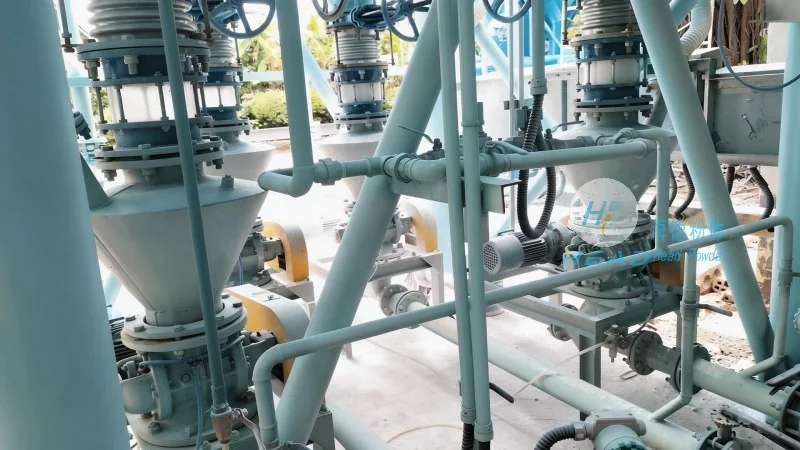
Technical Considerations for CMC Powder Handling
When designing a CMC powder pneumatic conveying system, several technical factors must be addressed to ensure optimal performance. One critical consideration is the prevention of powder segregation and agglomeration. CMC powder can clump together, especially if it is hygroscopic or has high moisture content. To mitigate this, the system may include vibration or agitation devices in the storage silo or conveying line to maintain a uniform flow. Additionally, the use of low-shear mixers or agitators in the feed hopper can help break up any agglomerates before they enter the conveying line.
Another important factor is the control of moisture and temperature. CMC is sensitive to moisture, and excessive humidity can lead to caking or reduced flowability. The system design may include drying or dehumidification steps to maintain the powder's quality. Temperature control is also essential, as high temperatures can cause the powder to degrade or lose its properties. The air mover and conveying lines are designed to operate within safe temperature ranges, and insulation may be added to prevent heat loss or gain.
Finally, the system must comply with safety regulations and standards. Pneumatic conveying systems for powders, including CMC, are subject to guidelines from organizations such as the American Conference of Governmental Industrial Hygienists (ACGIH) and the Occupational Safety and Health Administration (OSHA). These regulations focus on preventing dust explosions, ensuring proper ventilation, and protecting operators from inhalation hazards. The system design incorporates explosion-proof components, dust collection systems, and emergency shut-off valves to meet these safety requirements.
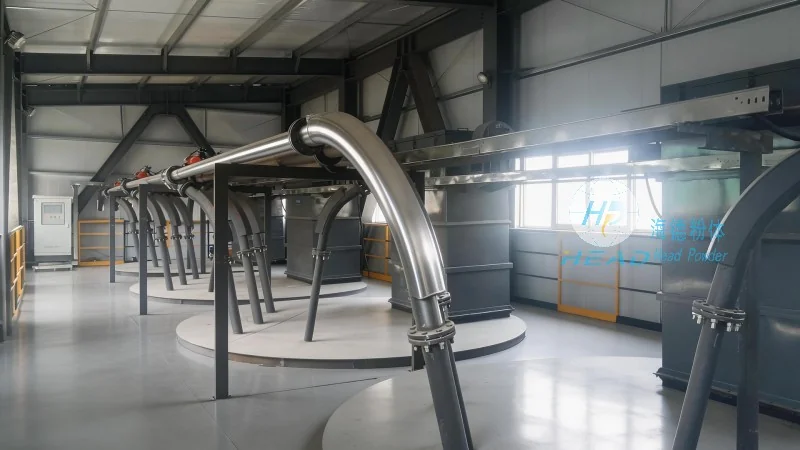
Applications and Benefits of CMC Pneumatic Conveying
The CMC powder pneumatic conveying system is widely used in industries where CMC is a key ingredient, such as food and beverage, pharmaceuticals, and construction materials. In the food industry, CMC is used as a thickener or stabilizer in products like sauces, dressings, and dairy beverages. The pneumatic conveying system ensures that CMC is added to these products uniformly and without contamination, maintaining the final product's quality and consistency. In the pharmaceutical industry, CMC is used as a binder or filler in tablets and capsules. The system provides a clean and controlled method of transporting CMC to the manufacturing line, reducing the risk of cross-contamination and ensuring compliance with Good Manufacturing Practices (GMP).
In the construction industry, CMC is used as a water-retaining agent in concrete and mortar. The pneumatic conveying system allows for the efficient delivery of CMC to the mixing plant, improving the workability and durability of the final product. The benefits of using a CMC powder pneumatic conveying system extend beyond just efficient transport. By reducing manual handling and improving process control, the system enhances overall operational efficiency and reduces labor costs. Additionally, the use of a positive pressure system minimizes dust emissions, contributing to a cleaner and safer working environment.