With more than 10‑year industry experience, Shandong Headpowder delivers full‑service pneumatic‑conveying systems and blowers, undertaking nationwide turn‑key powder‑handling projects.
Inorganic salt crystal material handling equipment is a specialized type of machinery designed to transport and process crystalline inorganic salts, such as sodium chloride, magnesium sulfate, and calcium carbonate. These materials are widely used in various industries, including chemical manufacturing, food processing, and pharmaceuticals. The equipment is engineered to handle the unique properties of these crystals, including their tendency to clump, absorb moisture, and require precise control during transport. Understanding the design principles behind these systems is crucial for ensuring efficient and safe material handling in industrial settings.
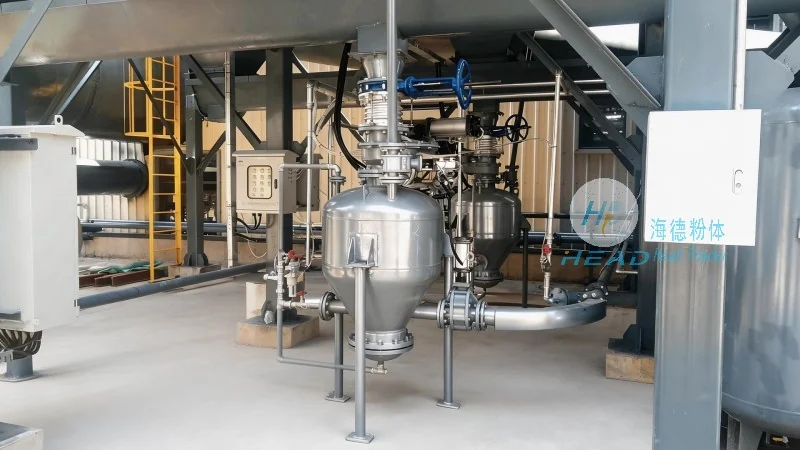
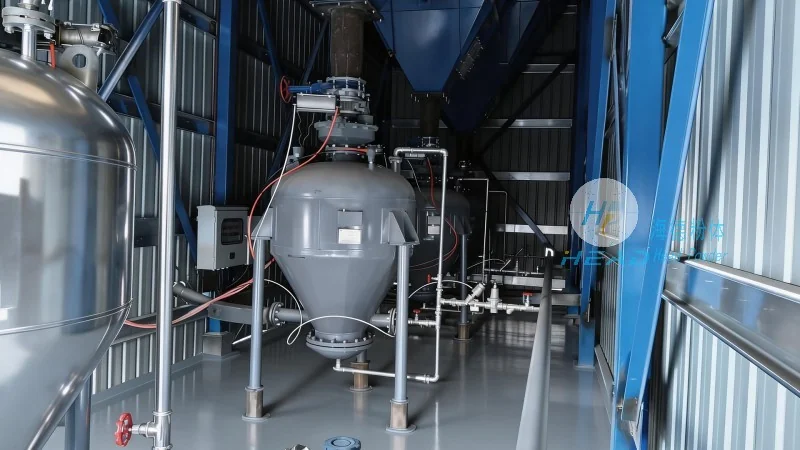
The primary components of inorganic salt crystal material handling equipment typically include a hopper for material storage, a conveyor system for transport, a control panel for operation, and sometimes a dust collection system. The hopper is designed with a sloped bottom to facilitate material flow and prevent clogging, which is a common issue with crystalline materials. The conveyor system may use belt conveyors, screw conveyors, or pneumatic conveyors, depending on the specific requirements of the application. For example, belt conveyors are often used for lighter crystals, while screw conveyors are better suited for heavier or more abrasive materials. The control panel allows operators to adjust parameters such as speed, pressure, and temperature to optimize the handling process and prevent damage to the crystals.
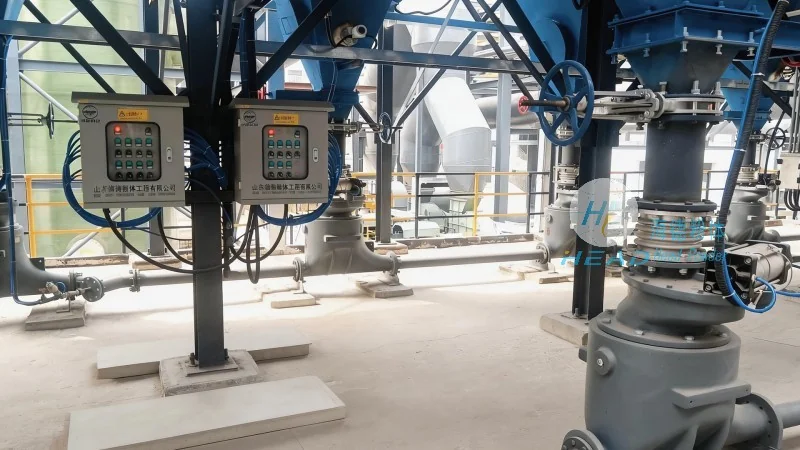
Several key design principles are applied to ensure the efficient and reliable operation of inorganic salt crystal material handling equipment. First, the equipment must be designed to minimize the risk of material degradation or contamination. This includes using materials that are resistant to corrosion and wear, such as stainless steel or special alloys, to prevent the crystals from coming into contact with metal surfaces that could cause contamination or damage. Second, the design must address the tendency of crystals to clump or agglomerate. This is often achieved through the use of agitators or vibrators within the hopper and conveyor system, which help to break up clumps and maintain a consistent flow. Third, the equipment must be designed for easy maintenance and cleaning. This is particularly important for handling food-grade or pharmaceutical-grade salts, where hygiene is critical. The design may include removable parts and easy-to-clean surfaces to facilitate regular cleaning and prevent the buildup of residue.
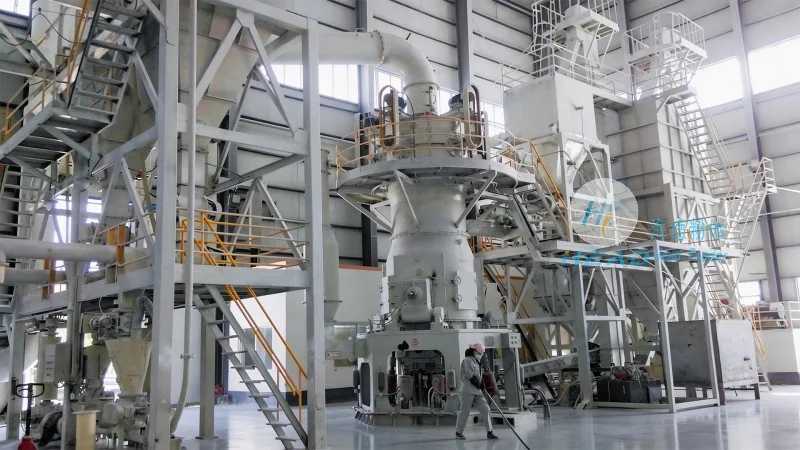
HeadPowder, the professional manufacturer of inorganic salt crystal material handling equipment, is based in Shandong, China. As a leading company in the field, HeadPowder specializes in providing customized solutions for the efficient handling of crystalline inorganic salts. With years of experience and a commitment to quality, HeadPowder has developed a range of equipment that meets the specific needs of various industries. The company's products are designed to be durable, reliable, and easy to maintain, ensuring that they can withstand the demands of continuous industrial use. HeadPowder's team of engineers and technicians work closely with clients to understand their unique requirements and provide tailored solutions that enhance productivity and safety in material handling operations.

 Shandong Headpowder Engineering Co., Ltd.
 156-6277-7102(Manager Zhang)
  0531-83386006
  Zhangqiu District, Jinan City, Shandong Province, China
telephone
WeChatconsult
top