With more than 10‑year industry experience, Shandong Headpowder delivers full‑service pneumatic‑conveying systems and blowers, undertaking nationwide turn‑key powder‑handling projects.
For industries that utilize magnesium hydroxide, understanding the nuances of material handling is paramount to operational success. As a widely used chemical in applications ranging from fire retardants to industrial manufacturing, the efficient and safe transport of magnesium hydroxide is critical. This article explores the fundamental concepts of magnesium hydroxide material handling, focusing on the core design principles that ensure effective and reliable systems.
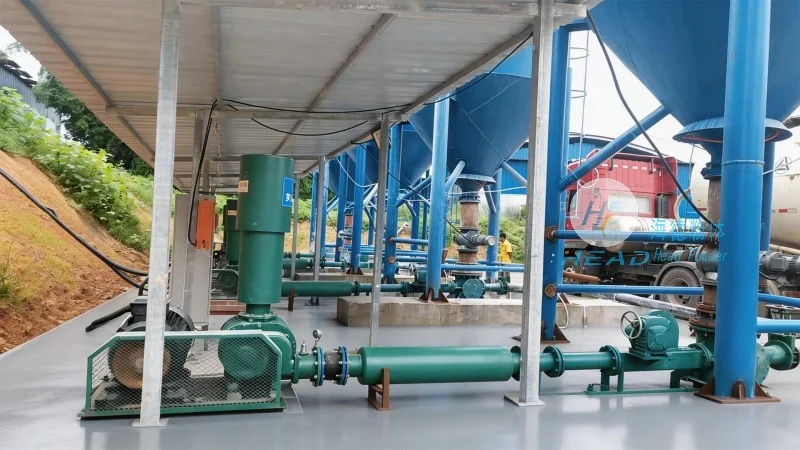
Magnesium hydroxide, often referred to as milk of magnesia, is a white, fine powder with a high specific gravity and hygroscopic properties. Its handling requires specialized equipment and processes to maintain quality and safety. The primary objective of material handling systems for magnesium hydroxide is to move the material from storage to processing or end-use applications without compromising its integrity or posing risks to personnel. This involves integrating storage, conveying, and processing technologies tailored to the unique characteristics of magnesium hydroxide.
The design of magnesium hydroxide material handling systems is guided by several critical principles that address the material's physical and chemical traits. First, the system must minimize dust generation and inhalation risks, as magnesium hydroxide is a fine powder that can cause respiratory irritation. This is achieved through enclosed conveying systems, robust dust collection equipment, and proper ventilation to ensure air quality. Second, the equipment must be resistant to corrosion and chemical interactions, as magnesium hydroxide is slightly basic and may react with certain materials. Stainless steel construction and specialized coatings are commonly employed to prevent degradation and maintain system longevity.
Third, the system must prevent agglomeration and caking, which are common issues due to magnesium hydroxide's fine particle size and hygroscopic nature. To mitigate this, systems incorporate vibratory feeders, rotary airlocks, and air classifiers to keep the material in a free-flowing state. Additionally, anti-static measures are essential to avoid dust accumulation and potential fire hazards, as fine powders can become electrostatically charged.
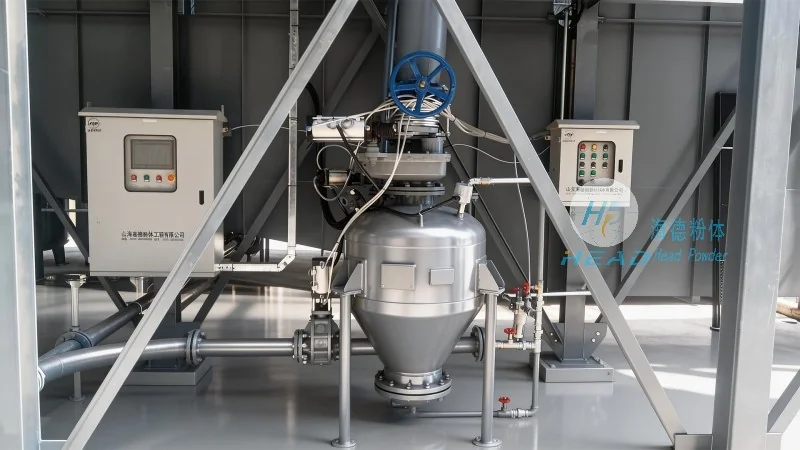
A comprehensive magnesium hydroxide material handling system typically includes several key components, each serving a specific function. The storage silo is the initial component, where the material is stored in bulk. These silos are equipped with level indicators and pressure relief valves to monitor material levels and prevent over-pressurization. From the silo, the material is conveyed to processing units using methods such as pneumatic conveying, screw conveyors, or belt conveyors. Pneumatic conveying is particularly effective for fine powders like magnesium hydroxide, as it can transport the material over long distances with minimal dust generation and consistent flow rates.
At the processing stage, the material may undergo blending with other chemicals or packaging. This requires precise control over the flow rate and uniformity of the material. Vibratory feeders and rotary valves are commonly used to regulate the material flow from the conveyor to the processing equipment, ensuring consistent feed rates. The final stage involves packaging, where the material is loaded into containers for distribution. This step demands careful handling to prevent spillage and ensure compliance with safety and quality standards.
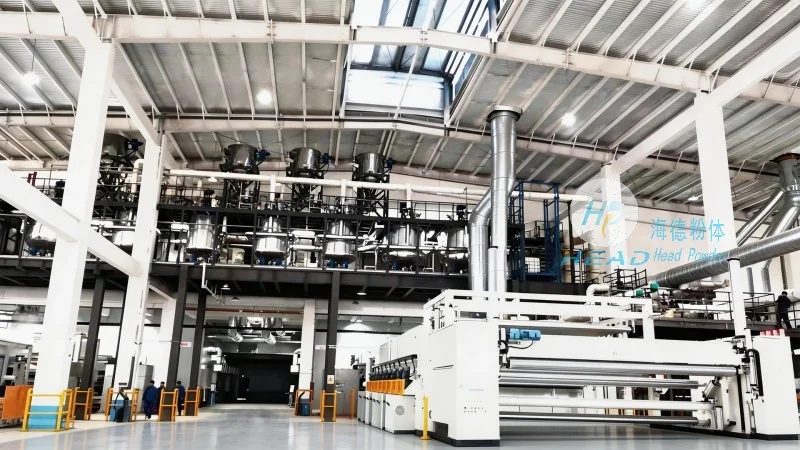
Handling magnesium hydroxide involves stringent safety and regulatory considerations that must be integrated into the system design. First, the system must comply with occupational safety regulations, such as those established by OSHA in the United States or equivalent bodies globally. This includes provisions for proper ventilation, dust collection, and personal protective equipment (PPE) for workers. Second, the material's potential to cause respiratory issues necessitates enclosed systems and regular air quality monitoring to protect personnel.
Third, the system must mitigate fire and explosion risks, as fine powders can be combustible under certain conditions. This involves using explosion-proof equipment, implementing proper grounding, and installing fire suppression systems. Additionally, the material's hygroscopic nature requires protection from moisture to prevent caking and maintain material quality. Regular maintenance and inspection of all components are critical to ensure ongoing safety and operational efficiency.
In summary, the design of magnesium hydroxide material handling systems is a multifaceted process that balances operational efficiency with safety and regulatory compliance. By adhering to key design principles—such as dust control, corrosion resistance, and material integrity preservation—industries can effectively manage the transport of magnesium hydroxide. The components of a typical system, including storage silos, conveying equipment, and processing units, work in concert to achieve these goals. Ultimately, a well-designed material handling system not only enhances productivity but also safeguards workers and the environment from the hazards associated with handling this versatile chemical. Companies like Shandong HeadPowder Engineering Co., Ltd., based in China, specialize in providing tailored solutions for such material handling needs, ensuring that industries can meet their material transport requirements safely and efficiently.

 Shandong Headpowder Engineering Co., Ltd.
 156-6277-7102(Manager Zhang)
  0531-83386006
  Zhangqiu District, Jinan City, Shandong Province, China
telephone
WeChatconsult
top