With more than 10‑year industry experience, Shandong Headpowder delivers full‑service pneumatic‑conveying systems and blowers, undertaking nationwide turn‑key powder‑handling projects.
HeadPowder, a leading enterprise in the field of powder handling technology, specializes in the design and manufacturing of advanced conveying systems tailored for various industrial applications. This article aims to provide a comprehensive overview of a sesame powder conveying system, exploring its core components, operational mechanisms, and the underlying design principles that ensure efficient and reliable material transport.
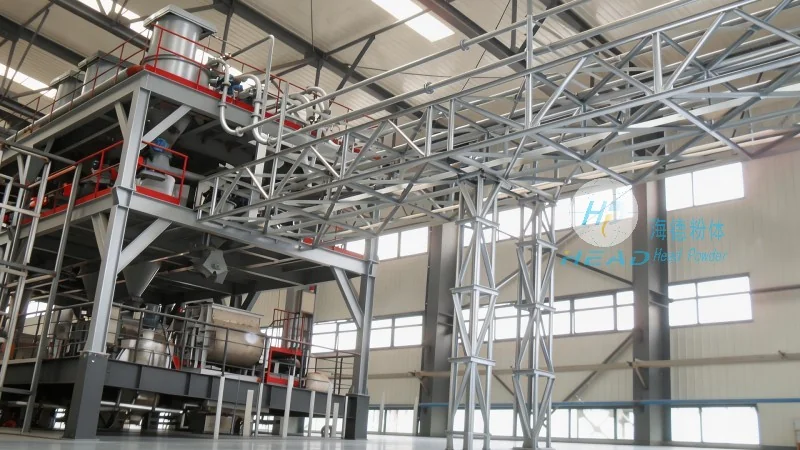
A sesame powder conveying system is a specialized piece of equipment engineered to handle, transport, and distribute sesame powder from one location to another within a processing facility. These systems are crucial in industries such as food processing, where maintaining product quality and preventing contamination is paramount. The system typically consists of several key components, including a hopper for material storage, a conveyor mechanism (like a screw or pneumatic conveyor), and control systems for precise operation. The design of such a system must account for the unique properties of sesame powder, including its fine particle size, potential for caking, and susceptibility to moisture absorption.
The effectiveness of a sesame powder conveying system relies on its integrated components, each playing a vital role in the overall operation. The hopper serves as the primary storage unit, designed to hold a substantial quantity of sesame powder while minimizing the risk of material degradation. It is often equipped with a discharge valve or gate to regulate the flow of material into the conveyor. The conveyor mechanism, which can be either mechanical (e.g., screw conveyors) or pneumatic (e.g., air slides), is responsible for moving the powder through the system. Mechanical conveyors use rotating screws or belts to transport material, while pneumatic systems utilize air pressure to push or pull the powder. For sesame powder, which is fine and can be prone to bridging or clogging, the choice of conveyor type is critical. Many systems combine both mechanical and pneumatic elements to achieve optimal performance.

The design principles guiding the development of a sesame powder conveying system are centered on maximizing efficiency, minimizing product loss, and ensuring safety. One fundamental principle is the prevention of material degradation, which is achieved through careful consideration of the system's materials of construction. Components in contact with the powder, such as hoppers and conveyors, are typically made from food-grade stainless steel or other non-reactive materials to avoid contamination and maintain product integrity. Another key principle is the reduction of friction and wear, as excessive friction can lead to overheating and product degradation. The system's design may include features like smooth surfaces and low-friction bearings to minimize these issues.
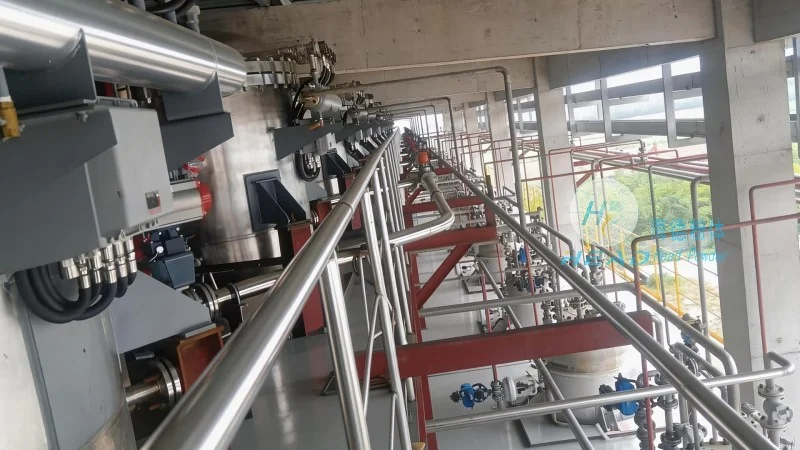
The operational mechanisms of a sesame powder conveying system involve the coordinated action of its components, controlled by an integrated system of sensors and controls. The hopper's discharge valve is regulated to control the flow rate of the powder into the conveyor, preventing overloading and ensuring a steady supply. The conveyor mechanism then transports the powder to the desired destination, such as a processing unit or storage silo. Modern systems often incorporate sensors to monitor parameters like flow rate, pressure, and temperature, providing real-time feedback to the control system. This allows for automatic adjustments to maintain optimal performance and prevent issues like clogging or underflow. The control system may also include safety features, such as emergency stop buttons and overload protection, to ensure the system operates safely and reliably.
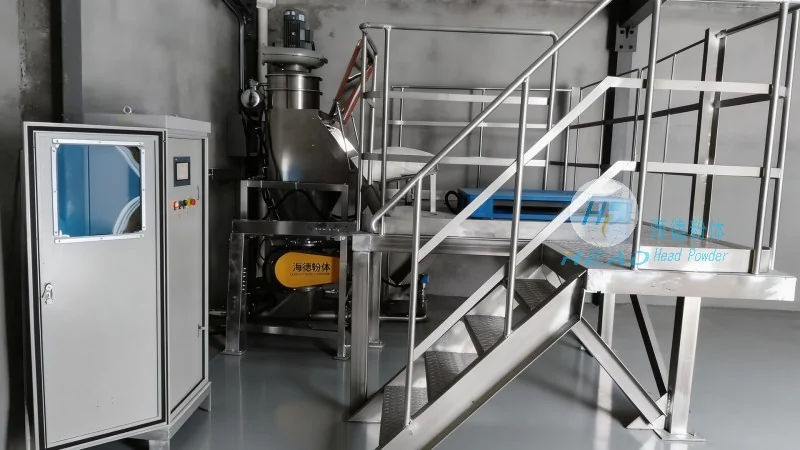
Implementing a well-designed sesame powder conveying system offers numerous benefits for industrial operations. Firstly, it enhances productivity by ensuring a consistent and continuous flow of material, reducing downtime caused by manual handling or system failures. Secondly, it improves product quality by minimizing exposure to contaminants and preventing material degradation during transport. Thirdly, it increases operational safety by reducing the need for manual handling of powders, which can pose health risks. Additionally, the system's design can help reduce energy consumption and maintenance costs over time, making it a cost-effective solution for long-term use.
In conclusion, a sesame powder conveying system is a sophisticated piece of equipment that plays a critical role in the efficient handling of sesame powder in industrial settings. The design principles, components, and operational mechanisms work together to ensure reliable and safe material transport. By understanding these aspects, businesses can make informed decisions when selecting or designing a conveying system that meets their specific needs. As a leading provider in this field, Shandong HeadPowder Engineering Co., Ltd. offers advanced solutions tailored to the unique requirements of powder handling, ensuring optimal performance and customer satisfaction.

 Shandong Headpowder Engineering Co., Ltd.
 156-6277-7102(Manager Zhang)
  0531-83386006
  Zhangqiu District, Jinan City, Shandong Province, China
telephone
WeChatconsult
top