With more than 10‑year industry experience, Shandong Headpowder delivers full‑service pneumatic‑conveying systems and blowers, undertaking nationwide turn‑key powder‑handling projects.
For industries dealing with bulk powder handling, understanding the technology behind efficient and precise material transport is crucial. A key piece of equipment in this domain is the continuous quantitative powder conveyor, which plays a vital role in ensuring consistent and controlled movement of powders. This article explores the concept of a continuous quantitative powder conveyor, delving into its design principles and operational mechanics.
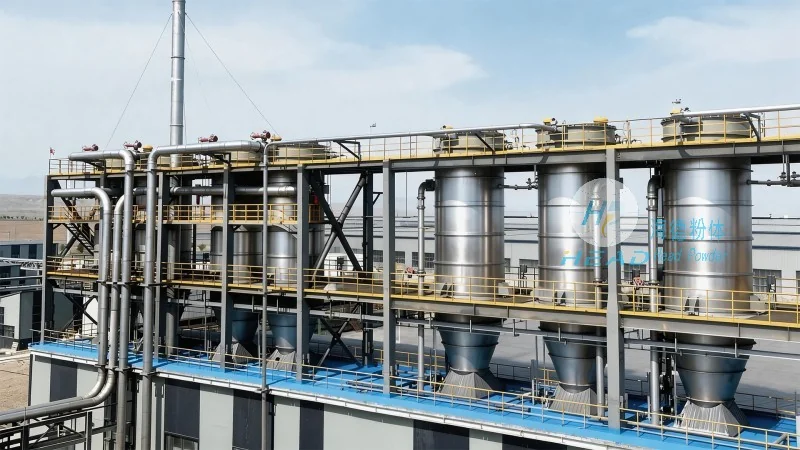
A continuous quantitative powder conveyor is a specialized system engineered to transport bulk powders in a continuous, metered fashion. Unlike traditional batch or intermittent systems, this conveyor ensures a steady flow of material, maintaining a consistent rate of delivery. The primary goal is to provide precise control over the quantity of powder being moved, which is essential for applications requiring exact dosing, such as in pharmaceutical manufacturing, food processing, or chemical production.
The design of a continuous quantitative powder conveyor is built on several fundamental principles that ensure its effectiveness and reliability. These principles include:
1. Uniform Material Flow: The system is designed to maintain a uniform flow of powder throughout the entire conveying process. This is achieved through the use of specialized components like feed hoppers, screw conveyors, or pneumatic systems that ensure the material moves smoothly without segregation or clogging.
2. Precise Metering Mechanisms: The core of the conveyor's design lies in its metering components. These may include variable-speed drives, adjustable screw pitch, or volumetric feeders that regulate the volume of material passing through at any given time. The goal is to achieve a consistent output rate, which is critical for maintaining product quality and process efficiency.
3. Material Handling Compatibility: The conveyor is engineered to handle a wide range of powder characteristics, including different particle sizes, densities, and flow properties. This flexibility is achieved through modular design elements, such as interchangeable screw flights or adjustable air pressure in pneumatic systems, allowing the equipment to adapt to various powder types without significant modifications.
4. Durability and Maintenance: The design incorporates robust materials and components to withstand the rigors of continuous operation. High-quality stainless steel, corrosion-resistant coatings, and wear-resistant parts are commonly used to ensure long service life and minimal downtime. Additionally, the system is designed for easy maintenance, with accessible components and simple adjustment mechanisms that reduce operational costs.
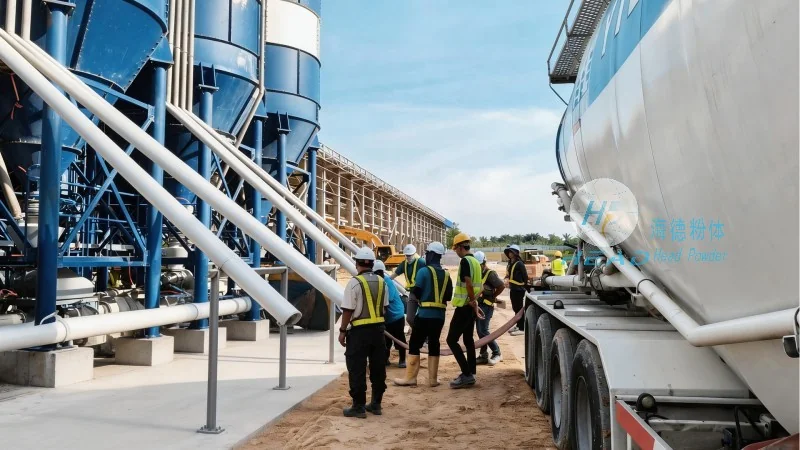
The continuous quantitative powder conveyor operates by combining several key components that work in harmony to achieve its objectives. The main components typically include:
Feed Hopper: This is the initial component where the bulk powder is stored. It is designed to hold a sufficient quantity of material to ensure a continuous feed to the conveyor system. The hopper may include features like level sensors to monitor material levels and prevent overfilling.
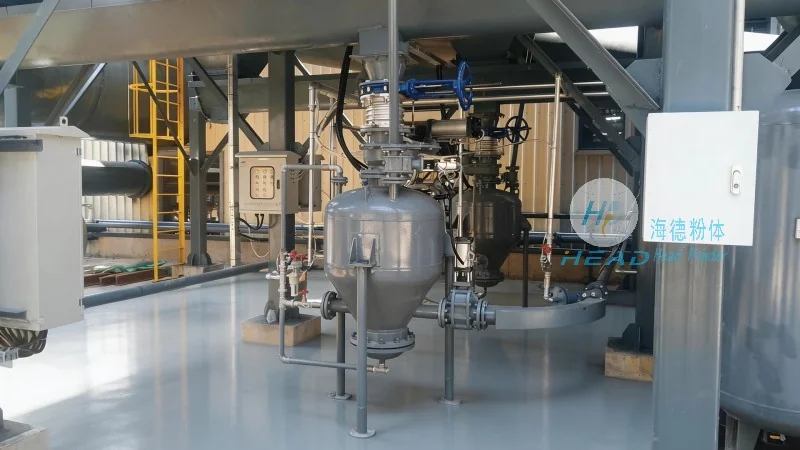
Screw Conveyor or Pneumatic System: This is the primary conveying mechanism. In screw conveyors, a rotating screw (or auger) moves the powder along a tube or trough. The speed and pitch of the screw can be adjusted to control the flow rate. Pneumatic systems use compressed air to transport the powder through a pipeline, with the flow rate regulated by air pressure and valve settings.
Metering Device: This component is responsible for controlling the exact quantity of powder that is discharged. It may be a variable-speed motor controlling the screw speed, a rotary valve with adjustable opening, or a volumetric feeder that measures and releases material in precise increments.
Control System: Modern continuous quantitative powder conveyors are equipped with advanced control systems that monitor and adjust the operation in real-time. These systems use sensors to detect material levels, flow rates, and system performance, allowing for automatic adjustments to maintain consistent output. The control panel may include digital displays, programmable logic controllers (PLCs), and user-friendly interfaces for easy operation and troubleshooting.
The continuous quantitative powder conveyor is widely used across various industries due to its ability to deliver precise and consistent material flow. Some of the key applications include:
Pharmaceutical Manufacturing: In the pharmaceutical industry, accurate dosing of powders is critical for drug formulation. The conveyor ensures that the exact amount of active ingredients and excipients is delivered to the production line, meeting stringent quality and regulatory standards.
Food Processing: For food manufacturers, the conveyor is used to transport ingredients like flour, sugar, or spices with precision. This helps in maintaining consistent product quality and flavor, which is essential for consumer satisfaction and brand reputation.
Chemical Production: In chemical plants, the conveyor is used to handle raw materials and intermediates with controlled dosing. This ensures safe and efficient production processes, reducing the risk of over or under-dosing, which can lead to product defects or safety hazards.
Industrial Manufacturing: Beyond the above sectors, the conveyor is also used in various industrial applications, such as in the production of ceramics, plastics, and other materials that require precise powder handling.
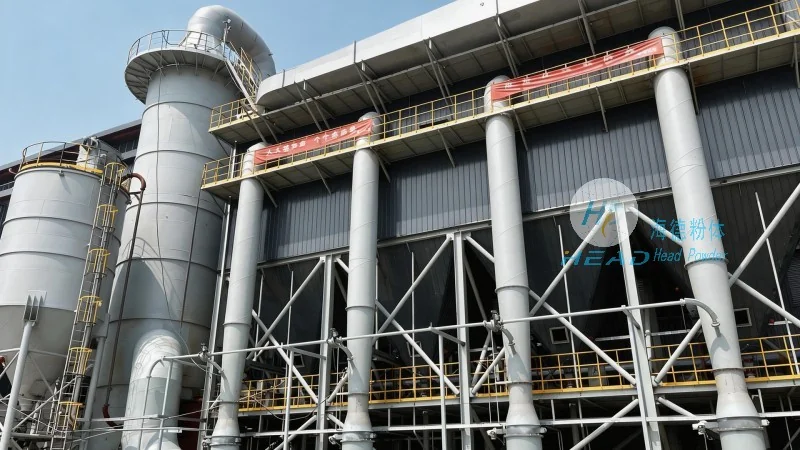
Some of the key benefits of using a continuous quantitative powder conveyor include:
Improved Process Efficiency: By ensuring consistent material flow, the conveyor reduces downtime and increases production throughput. This leads to higher productivity and lower operational costs.
Enhanced Product Quality: Precise dosing and uniform flow help maintain product consistency, reducing variations in the final product. This is particularly important in industries where product quality directly impacts safety and performance.
Reduced Waste and Material Loss: The controlled flow minimizes material segregation and spillage, leading to less waste and lower material costs. This is especially beneficial for expensive or scarce raw materials.
Flexibility and Adaptability: The modular design allows the conveyor to be adapted to different powder types and production requirements, making it a versatile solution for various industrial applications.
A continuous quantitative powder conveyor is a sophisticated piece of equipment that combines advanced design principles and operational mechanics to deliver precise and consistent bulk powder transport. By understanding its design and functionality, industries can leverage this technology to improve their production processes, enhance product quality, and reduce operational costs. The system's adaptability and reliability make it an essential component in modern powder handling operations.

 Shandong Headpowder Engineering Co., Ltd.
 156-6277-7102(Manager Zhang)
  0531-83386006
  Zhangqiu District, Jinan City, Shandong Province, China
telephone
WeChatconsult
top