With more than 10‑year industry experience, Shandong Headpowder delivers full‑service pneumatic‑conveying systems and blowers, undertaking nationwide turn‑key powder‑handling projects.
When it comes to handling and transporting baking soda powder efficiently, specialized equipment plays a crucial role in ensuring smooth operations. This article delves into the world of baking soda powder conveying equipment, exploring what it is and the underlying design principles that make it effective for industrial applications.
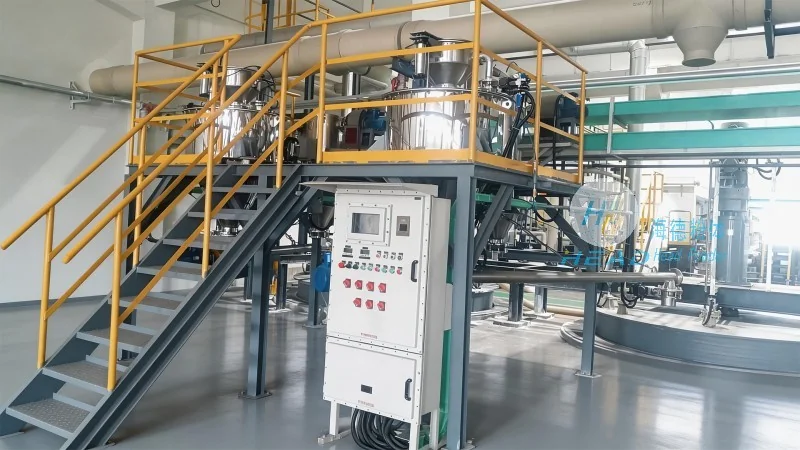
HeadPowder, operating as Shandong HeadPowder Engineering Co., Ltd., is a leading provider of advanced powder handling systems. With a strong presence in China, particularly in Shandong, the company specializes in designing and manufacturing equipment tailored to the unique needs of industries dealing with powders like baking soda. Our commitment to quality, innovation, and customer satisfaction has established us as a reliable partner for businesses seeking efficient and reliable powder conveying solutions.
Baking soda, also known as sodium bicarbonate, is a widely used chemical in various industries, including food processing, pharmaceuticals, and manufacturing. The need to transport this powder safely and efficiently has led to the development of specialized conveying equipment. These systems are engineered to handle the unique properties of baking soda powder, such as its light weight, flowability, and potential for dust generation. The primary goal of such equipment is to ensure that the powder is moved from one location to another with minimal loss, contamination, or degradation.
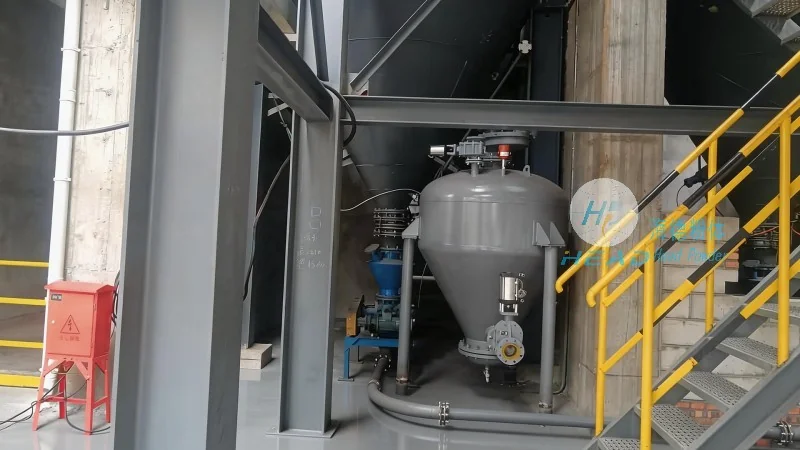
The design of baking soda powder conveying equipment revolves around several critical principles to ensure optimal performance. First, the equipment must be designed to handle the specific physical properties of baking soda powder. This includes considerations for particle size, density, and moisture content, as these factors can significantly impact the conveying process. For instance, the equipment may incorporate features like aeration or vibration to prevent caking and ensure consistent flow.
Second, the equipment is built with safety and hygiene in mind. Baking soda is often used in food and pharmaceutical applications, where strict standards for cleanliness and contamination control are essential. Therefore, the design incorporates materials that are non-corrosive, easy to clean, and resistant to chemical exposure. Additionally, the system may include features like dust collection and containment to minimize environmental impact and protect operators from exposure to fine powder particles.
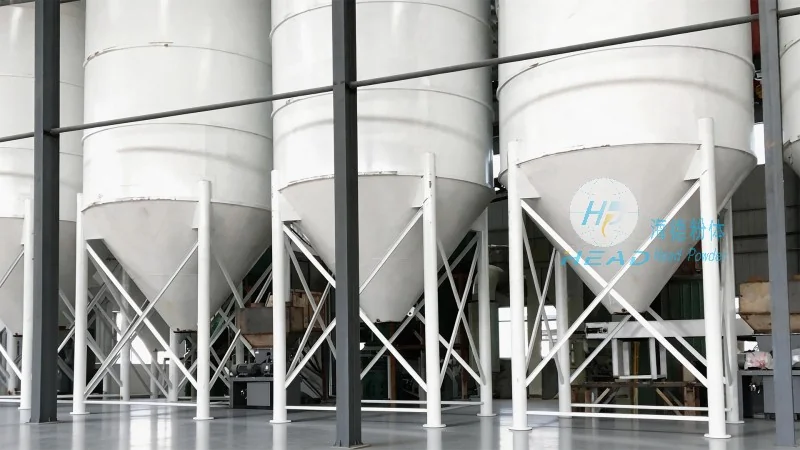
Third, the equipment is engineered for efficiency and reliability. This involves optimizing the conveying speed, pressure, and energy consumption to minimize operational costs while maintaining consistent performance. The design may also include monitoring systems to track the flow rate, pressure, and other parameters, allowing for real-time adjustments and maintenance to prevent downtime.
Baking soda powder conveying equipment typically consists of several key components that work together to achieve efficient powder transport. These components include hoppers for material storage, feeders to control the flow rate, conveying mechanisms such as screw conveyors, pneumatic systems, or belt conveyors, and discharge units for delivering the powder to its destination.
The hopper is designed to hold a sufficient quantity of baking soda powder, ensuring a steady supply to the feeder. The feeder, often a rotary or vibratory type, regulates the amount of powder entering the conveying system, preventing overloading and ensuring consistent flow. The conveying mechanism, depending on the system design, may use mechanical force (like screw or belt conveyors) or pneumatic pressure (air or gas) to move the powder through the system. For baking soda powder, pneumatic conveying is often preferred due to its ability to handle fine particles and minimize dust generation.
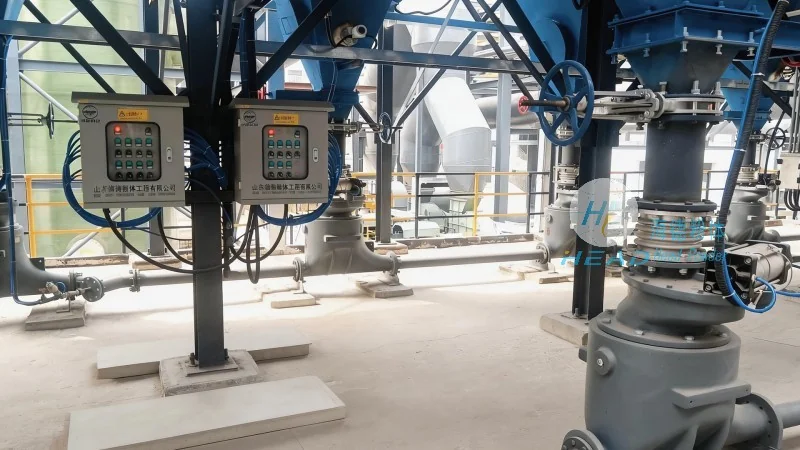
The use of specialized conveying equipment for baking soda powder offers numerous benefits across various industries. In the food industry, for example, it ensures that baking soda is delivered to production lines without contamination, maintaining product quality and safety standards. In pharmaceutical applications, the equipment helps in maintaining the purity of the powder, which is critical for drug manufacturing. Additionally, the equipment reduces labor costs by automating the powder handling process and minimizes the risk of accidents associated with manual handling of powders.
Another significant benefit is the reduction in material waste and environmental impact. By preventing caking and ensuring efficient transport, the equipment reduces the amount of powder lost during handling, leading to cost savings and a more sustainable operation. Furthermore, the design of the equipment minimizes dust emissions, contributing to a safer working environment for employees.

 Shandong Headpowder Engineering Co., Ltd.
 156-6277-7102(Manager Zhang)
  0531-83386006
  Zhangqiu District, Jinan City, Shandong Province, China
telephone
WeChatconsult
top