With more than 10‑year industry experience, Shandong Headpowder delivers full‑service pneumatic‑conveying systems and blowers, undertaking nationwide turn‑key powder‑handling projects.
Iron ore fines, as a key raw material in the steel industry, require efficient and reliable transportation systems to ensure smooth production processes. The iron ore fines material conveying line is a specialized system designed to handle the movement of these fine-grained materials from storage or processing facilities to the next stage of production. Understanding the components and design principles of such a line is crucial for optimizing material handling operations and enhancing overall industrial efficiency.
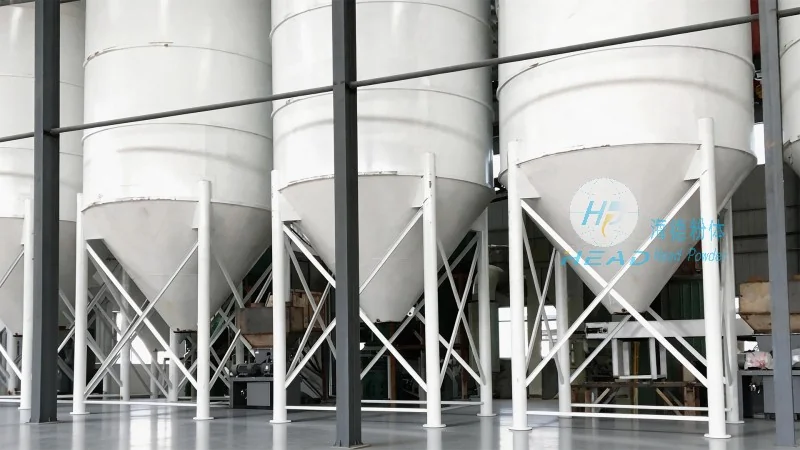
An iron ore fines material conveying line is a comprehensive system engineered to transport fine iron ore particles, typically with a particle size below 6 millimeters, from sources like stockpiles, storage silos, or processing plants to destinations such as sintering plants, pelletizing facilities, or direct feeding points in steel mills. The primary goal of this system is to ensure the consistent and safe movement of iron ore fines, minimizing material loss, dust generation, and operational downtime. These conveying lines are integral to modern mining and metallurgical operations, as they directly impact the productivity and cost-effectiveness of iron ore processing.
Shandong HeadPowder Engineering Co., Ltd., commonly known as HeadPowder, is a leading engineering firm specializing in the design, manufacturing, and installation of material handling systems. With a strong focus on innovation and customer-centric solutions, HeadPowder has established itself as a trusted partner in the iron ore and mining industry. The company is headquartered in Shandong, China, and has a strong presence in the global market, serving clients across various regions. HeadPowder's expertise lies in developing customized conveying solutions that meet the unique requirements of clients, ensuring durability, efficiency, and compliance with industry standards. The company's commitment to quality and technical excellence has enabled it to serve a wide range of clients globally, contributing to the advancement of material handling technologies in the steel and mining sectors.
The design of an iron ore fines material conveying line is based on several fundamental principles aimed at optimizing performance, reliability, and cost-effectiveness. Key design considerations include the material's physical properties, such as particle size distribution, moisture content, and bulk density, which influence the choice of conveying equipment and system layout. The system typically comprises several components, each playing a critical role in the overall operation.
Firstly, the feeding system is responsible for delivering the iron ore fines from the source to the conveyor. This may involve hoppers, feeders, or silos that regulate the flow rate and prevent material buildup or blockages. The selection of feeding equipment depends on the material's characteristics and the required flow rate. For example, screw feeders or belt feeders are commonly used to control the discharge of iron ore fines from storage silos, ensuring a steady and uniform feed to the conveyor.
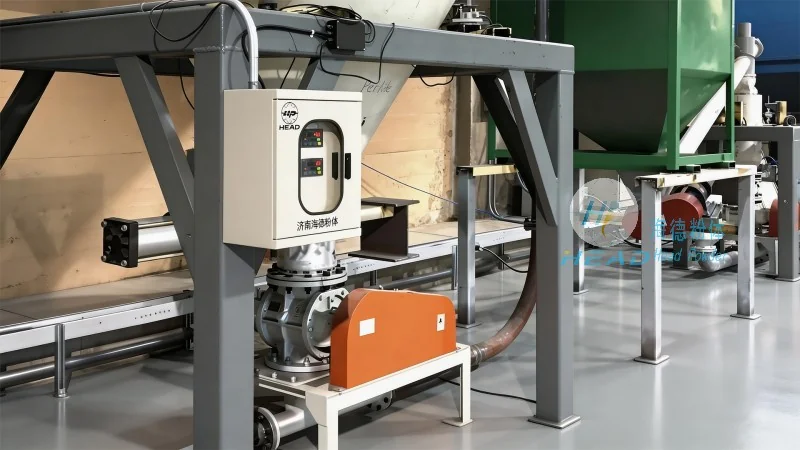
Secondly, the conveyor itself is the core component of the system. Various types of conveyors are used for iron ore fines, including belt conveyors, screw conveyors, and pneumatic conveying systems. Belt conveyors are widely preferred due to their high capacity, durability, and ability to handle large volumes of material over long distances. The design of the belt conveyor includes factors such as belt width, speed, and inclination, which are tailored to the specific requirements of the iron ore fines being transported. For instance, a wider belt may be used to handle larger quantities of fines, while a steeper inclination may be necessary for vertical or high-angle conveying.
Thirdly, the system incorporates control and monitoring mechanisms to ensure smooth operation and detect any potential issues. Sensors and control systems are installed to monitor parameters like flow rate, pressure, and temperature, providing real-time data to operators. This allows for immediate adjustments to maintain optimal performance and prevent equipment damage or material loss. Additionally, the design considers factors such as dust control and environmental protection, as iron ore fines can generate significant dust during handling. Proper sealing and filtration systems are integrated into the conveying line to minimize dust emissions and comply with environmental regulations.
Each component of an iron ore fines material conveying line serves a specific function, contributing to the overall efficiency and reliability of the system. The following are the primary components and their roles:
1. **Feeding Equipment**: This includes hoppers, feeders, and silos that regulate the flow of iron ore fines from the source. Hoppers are designed to store and discharge material under gravity, while feeders, such as screw or belt feeders, control the discharge rate to match the conveyor's capacity. Proper feeding equipment ensures a consistent and controlled feed, preventing overloading or underloading of the conveyor.
2. **Conveyor Belt**: The conveyor belt is the primary transport medium, carrying the iron ore fines from the feeding point to the discharge point. The belt is typically made of durable materials like rubber or polyurethane, capable of withstanding the abrasive nature of iron ore fines. The belt's width and speed are determined based on the material's bulk density and required throughput. For example, a wider belt may be used to handle higher volumes of fines, while a higher speed may be necessary for longer conveying distances.
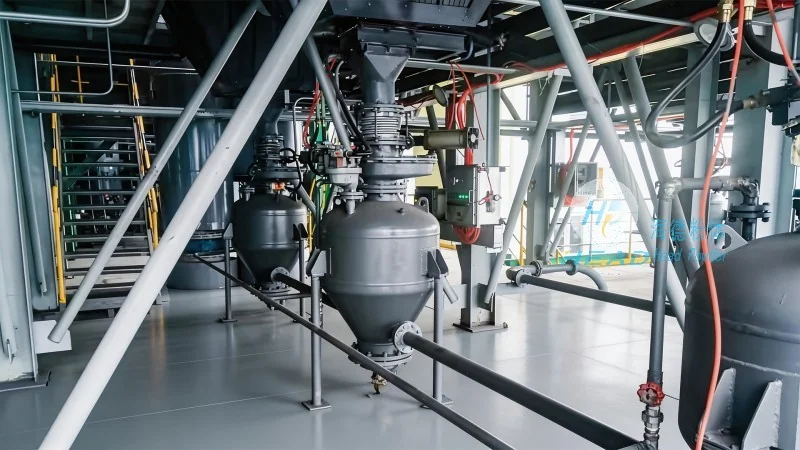
3. **Drive System**: The drive system provides the necessary power to move the conveyor belt. It consists of motors, gearboxes, and pulleys that transmit power from the motor to the belt. The drive system is designed to handle the load and ensure smooth operation, with features like variable speed drives to adjust the conveyor speed based on the material flow rate.
4. **Support Structure**: The support structure, including idlers and frames, holds the conveyor belt and maintains its alignment. Idlers are used to support the belt and guide its movement, while frames provide stability to the entire system. The design of the support structure considers factors such as the belt's tension and the weight of the material being conveyed, ensuring that the system remains stable and secure.
5. **Dust Control Systems**: Iron ore fines can generate significant dust during handling, which can affect the environment and pose health risks. Dust control systems, such as dust collectors and filters, are integrated into the conveying line to capture and remove dust particles. These systems help maintain a clean and safe working environment and comply with environmental regulations.
The operation of an iron ore fines material conveying line involves a sequential process that ensures the efficient movement of material from the source to the destination. The system typically starts with the feeding of iron ore fines into the conveyor. The feeding equipment regulates the flow rate, ensuring a steady supply of material to the conveyor belt.

 Shandong Headpowder Engineering Co., Ltd.
 156-6277-7102(Manager Zhang)
  0531-83386006
  Zhangqiu District, Jinan City, Shandong Province, China
telephone
WeChatconsult
top