What is a Quicklime Material Conveying Line? And What Are Its Design Principles?
Release time:2026-09-15 04:01:07
name of the company:Shandong Headpowder Engineering Co., Ltd.
telephone:156-6277-7102
contacts:Manager Zhang
Quicklime, also known as calcium oxide, is a crucial industrial material widely used in various sectors such as construction, chemical manufacturing, and environmental treatment. The efficient transportation of quicklime from production sites to processing or application points is essential for maintaining production efficiency and ensuring product quality. This article will explore the concept of a quicklime material conveying line and delve into its fundamental design principles, providing a comprehensive overview for professionals in the field.
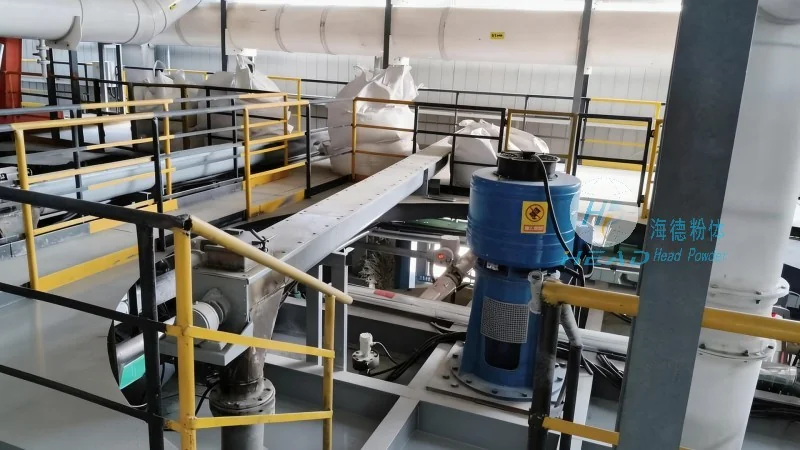
Understanding Quicklime Material Conveying Lines
A quicklime material conveying line is a specialized system engineered to transport quicklime powder or granules from its source, such as a calcination plant or storage silo, to the next stage of processing or end-use applications. These systems are critical in industrial operations where quicklime is a key raw material, as they ensure a continuous and reliable flow of material while minimizing dust generation and operational risks.
Key Components of a Quicklime Conveying System
The design of a quicklime material conveying line typically involves several key components that work in harmony to achieve efficient material transport. These components include:
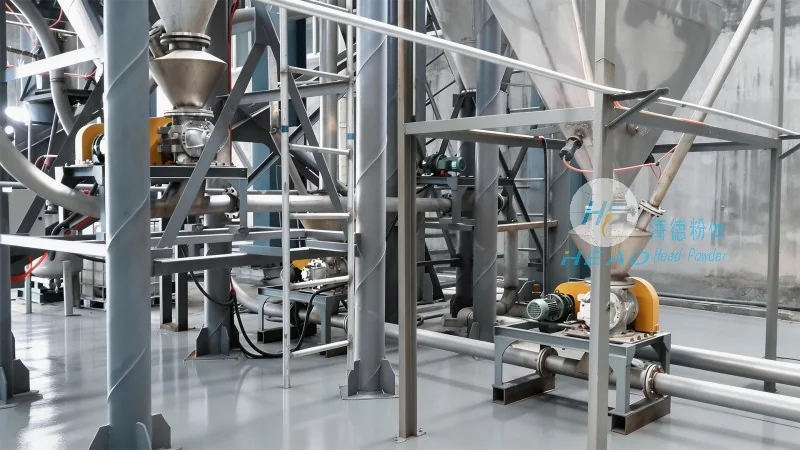
- Feed Hopper: A storage and feeding device that holds the quicklime and regulates the flow of material into the conveying system. The hopper is often equipped with a gate or valve to control the discharge rate, ensuring a steady supply to the conveyor.
- Conveyor Equipment: The core of the conveying line, which can include screw conveyors, belt conveyors, or pneumatic conveying systems. For quicklime, screw conveyors are commonly used due to their ability to handle dry powders and granules without causing excessive dust or material degradation.
- Dust Collection System: Given that quicklime is a fine powder, a dust collection system is essential to capture and remove airborne particles during the conveying process. This system typically includes filters, cyclones, and ventilation equipment to maintain a clean and safe working environment.
- Control and Monitoring Equipment: Modern quicklime conveying lines are equipped with control panels and sensors to monitor parameters such as flow rate, pressure, and temperature. This allows operators to adjust the system in real-time, ensuring optimal performance and preventing equipment damage.
Design Principles for Efficient Quicklime Conveying
The design of a quicklime material conveying line is guided by several key principles aimed at maximizing efficiency, safety, and durability. These principles include:
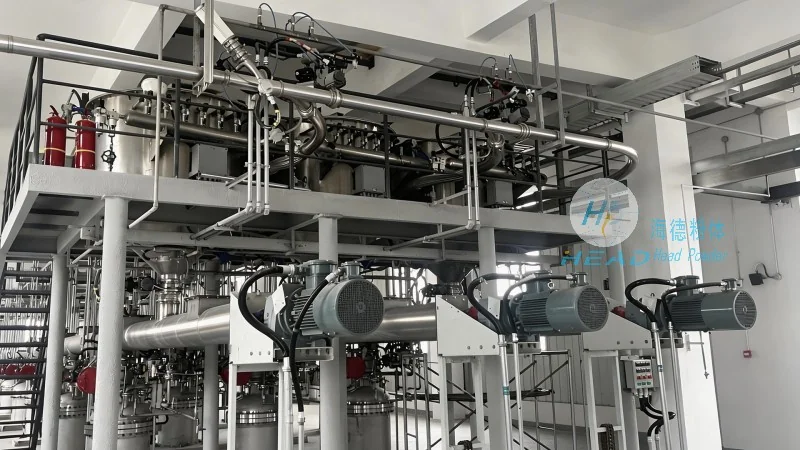
- Material Compatibility: The components of the conveying system must be compatible with quicklime, which is a highly reactive and abrasive material. Materials such as stainless steel or special alloys are often used for parts that come into direct contact with the quicklime to prevent corrosion and wear.
- Minimizing Dust and Attrition: Quicklime is prone to generating dust and experiencing attrition during transport. The design incorporates features like sealed hoppers, enclosed conveyor sections, and smooth surfaces to reduce dust generation and minimize material degradation.
- Energy Efficiency: Efficient power consumption is a critical design consideration. The system is engineered to use minimal energy while maintaining high conveying capacity, which helps reduce operational costs and environmental impact.
- Reliability and Maintenance: The conveying line is designed for long-term reliability with easy access to components for maintenance and repair. Regular maintenance schedules are recommended to ensure the system operates at peak performance and to extend its service life.
Applications of Quicklime Conveying Lines
Quicklime material conveying lines are used in a variety of industrial applications where quicklime is a key component. Some common applications include:
- Construction Industry: Quicklime is used in the production of cement, mortar, and plaster. The conveying line ensures a steady supply of quicklime to the mixing and processing facilities.
- Chemical Manufacturing: In chemical plants, quicklime is used as a raw material for the production of calcium compounds, such as calcium chloride and calcium carbonate. The conveying system delivers quicklime to the reactors and processing units.
- Environmental Treatment: Quicklime is used in wastewater treatment and flue gas desulfurization processes. The conveying line transports quicklime to the treatment facilities, where it helps neutralize acidic substances and remove pollutants.
Conclusion
A quicklime material conveying line is a vital component in industrial operations that rely on quicklime as a raw material. The design of these systems is based on principles that ensure efficient, safe, and reliable transport of quicklime. By understanding the key components and design principles, industrial facilities can optimize their material handling processes and improve overall operational efficiency. As a leading provider in the industry, Shandong HeadPowder Engineering Co., Ltd. specializes in designing and manufacturing high-quality quicklime conveying systems tailored to meet the specific needs of various industrial applications.

 Shandong Headpowder Engineering Co., Ltd.
 156-6277-7102(Manager Zhang)
  0531-83386006
  Zhangqiu District, Jinan City, Shandong Province, China