With more than 10‑year industry experience, Shandong Headpowder delivers full‑service pneumatic‑conveying systems and blowers, undertaking nationwide turn‑key powder‑handling projects.
Acrylic rubber powder handling equipment is a specialized system engineered to transport and manage powders that are based on acrylic rubber, a versatile elastomer known for its excellent resistance to chemicals, heat, and abrasion. This equipment is crucial in various industrial applications where handling such powders efficiently and safely is essential. The design principles behind these systems are tailored to address the unique properties of acrylic rubber powders, ensuring optimal performance, reliability, and durability in demanding operational environments.
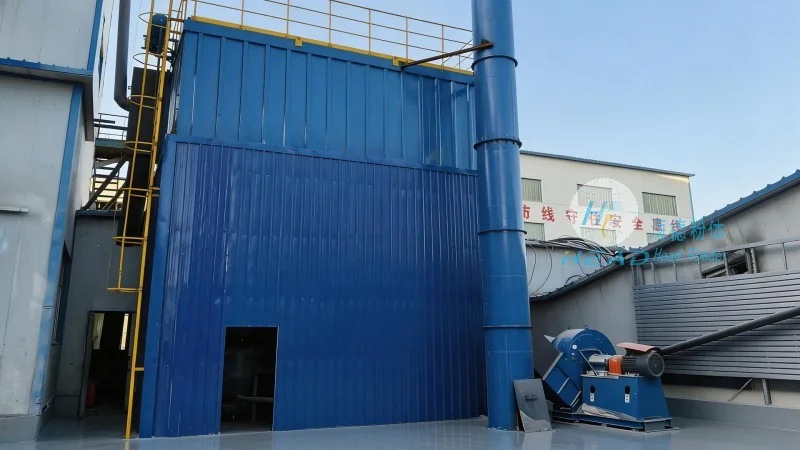
The acrylic rubber powder handling equipment typically consists of several key components that work in tandem to facilitate the movement and storage of acrylic rubber powders. These components include feeders, conveyors, storage silos, and control systems. The feeders are designed to accurately meter the powder flow, ensuring consistent and controlled feeding into the conveyor system. The conveyors, which can be of various types such as screw conveyors, pneumatic conveyors, or belt conveyors, are selected based on the specific characteristics of the acrylic rubber powder, including its particle size, density, and flowability. Storage silos are often integrated to provide bulk storage, allowing for continuous operation and reducing downtime associated with frequent material replenishment. Control systems, equipped with sensors and automation technology, monitor and regulate the entire process, ensuring safety and efficiency.
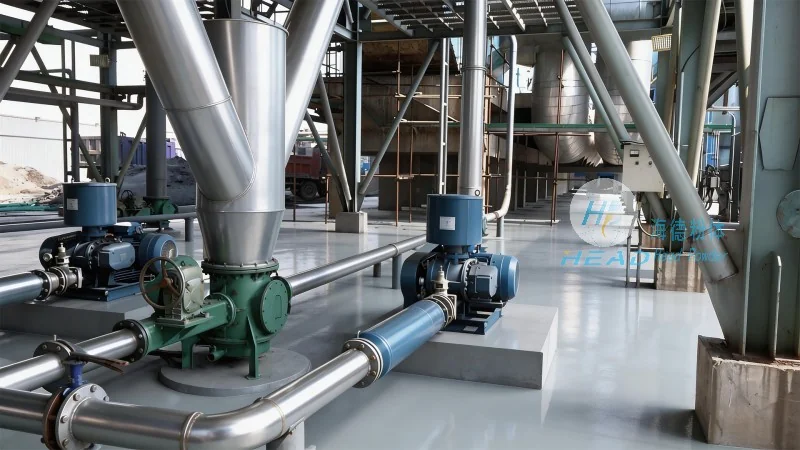
The design principles of acrylic rubber powder handling equipment are centered on several critical factors that directly impact the equipment's performance and longevity. First, the equipment must be constructed from materials that are compatible with acrylic rubber and its potential additives, such as chemicals or processing agents. This includes using corrosion-resistant materials like stainless steel or specialized coatings to prevent degradation and maintain product integrity. Second, the design emphasizes minimizing friction and wear, as acrylic rubber powders can be abrasive. Components like liners, bearings, and seals are selected to withstand the abrasive nature of the material, reducing maintenance requirements and extending the equipment's service life. Third, the system is engineered for easy cleaning and maintenance, as acrylic rubber powders can adhere to surfaces and require thorough cleaning to prevent contamination or clogging. This includes features like removable parts, easy-to-clean surfaces, and access points for maintenance personnel. Fourth, the design incorporates safety features to protect operators and the environment, such as dust collection systems, explosion-proof components, and emergency stop mechanisms. These principles collectively ensure that the equipment operates efficiently, safely, and reliably in industrial settings.
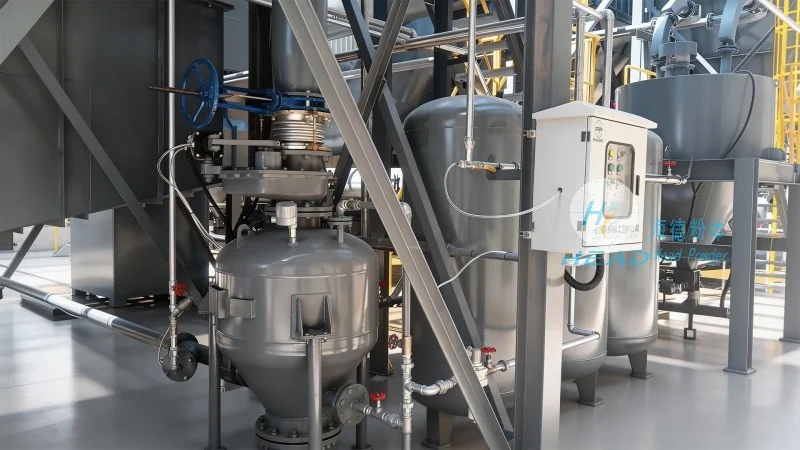
Acrylic rubber powder handling equipment is widely used in industries where acrylic rubber is a key material, including automotive, aerospace, and chemical manufacturing. In the automotive industry, it is used in the production of seals, gaskets, and other components that require high resistance to oil and heat. In aerospace, it is utilized in the manufacturing of parts that need to withstand extreme conditions, such as in aircraft engines or landing gear components. In chemical manufacturing, it is employed in the production of adhesives, coatings, and other products where the chemical resistance of acrylic rubber is essential. The equipment's ability to handle acrylic rubber powders efficiently and safely makes it indispensable in these industries, supporting the production of high-quality products and meeting stringent quality standards.
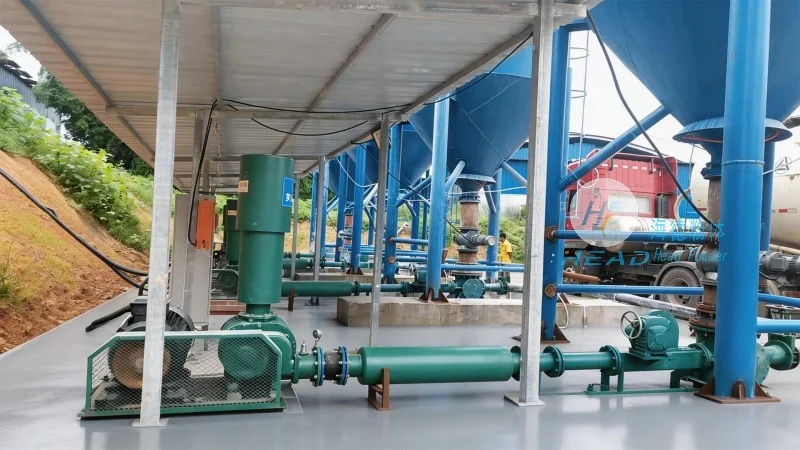
Implementing acrylic rubber powder handling equipment offers several advantages that enhance operational efficiency and product quality. One of the primary benefits is improved material handling efficiency, as the equipment ensures consistent and controlled flow of acrylic rubber powders, reducing material waste and improving process throughput. Another advantage is enhanced product quality, as the equipment minimizes contamination and ensures uniform material distribution, which is critical for achieving consistent product properties. Additionally, the equipment reduces labor costs by automating the handling process, allowing operators to focus on other tasks and improving overall productivity. The durability and reliability of the equipment also contribute to lower maintenance costs and extended service life, providing a long-term return on investment. Furthermore, the safety features integrated into the design protect operators from hazards associated with handling powders, such as dust inhalation or equipment failure, creating a safer working environment.

 Shandong Headpowder Engineering Co., Ltd.
 156-6277-7102(Manager Zhang)
  0531-83386006
  Zhangqiu District, Jinan City, Shandong Province, China
telephone
WeChatconsult
top