

What is a Lithium-Ion Battery Nanomaterial Powder Handling System? What are its Design Principles?
Lithium-ion batteries are a cornerstone of modern energy storage, powering everything from portable electronics to electric vehicles. The performance and safety of these batteries are heavily dependent on the quality and consistency of the nanomaterial powders used in their production. As the demand for higher energy density and longer cycle life in batteries grows, the need for efficient and precise powder handling systems becomes increasingly critical. This article explores the concept of a lithium-ion battery nanomaterial powder handling system and delves into its core design principles, highlighting how such systems ensure the reliable and safe processing of these critical materials.
About HeadPowder: A Leader in Powder Handling Solutions
HeadPowder, a division of Shandong HeadPowder Engineering Co., Ltd., is a leading manufacturer specializing in advanced powder handling systems. With a strong presence in China, particularly in Shandong, the company has established itself as a trusted partner for industries requiring high-precision powder processing. HeadPowder’s expertise lies in designing and manufacturing systems that meet the stringent requirements of battery manufacturing, ensuring optimal performance, safety, and efficiency. The company’s commitment to innovation and quality has made it a key player in the global market for battery material handling solutions.
Design Principles of a Lithium-Ion Battery Nanomaterial Powder Handling System
The design of a lithium-ion battery nanomaterial powder handling system is guided by several key principles aimed at maximizing efficiency, safety, and material integrity. First, the system must ensure precise control over the flow of nanomaterial powders, which are often sensitive to moisture, temperature, and contamination. This is achieved through the integration of advanced feeding mechanisms, such as volumetric or gravimetric feeders, that maintain consistent material flow rates. The system also incorporates dust control measures, including sealed hoppers and air filtration systems, to prevent environmental contamination and protect operators from exposure to fine powders.
Second, the design emphasizes the use of materials that are compatible with the properties of the nanomaterials being handled. For instance, components that come into direct contact with the powder are typically made from stainless steel or other corrosion-resistant materials to prevent contamination and ensure durability. The system also includes temperature control features, such as heating or cooling jackets, to maintain the powder at optimal processing temperatures, which is crucial for maintaining its chemical and physical properties.
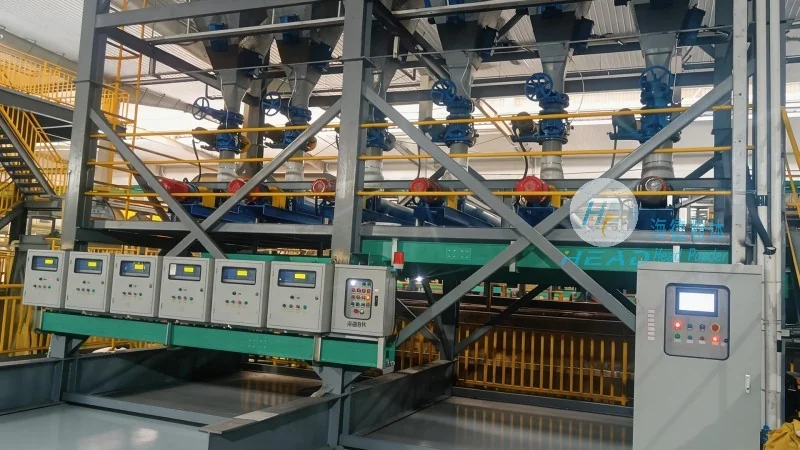
Third, automation and control play a vital role in the system’s design. Modern powder handling systems are equipped with sophisticated control panels and sensors that monitor key parameters like flow rate, pressure, and temperature in real-time. This allows for immediate adjustments to maintain process stability and prevent issues such as clogging or overfilling. The integration of programmable logic controllers (PLCs) and human-machine interfaces (HMIs) enables operators to easily manage and adjust the system settings, enhancing overall operational flexibility.
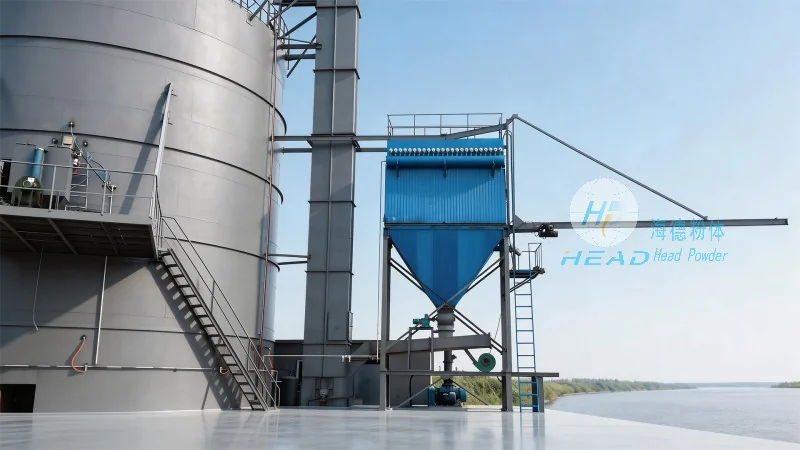
Fourth, the system is designed with safety as a top priority. This includes features like emergency stop buttons, interlocked hoppers, and explosion-proof components, especially when handling flammable or reactive nanomaterials. The use of enclosed and sealed systems minimizes the risk of dust explosions and ensures a safe working environment for personnel. Additionally, the system may incorporate dust collection and filtration systems to comply with environmental regulations and protect the surrounding environment.
Key Components and Their Functions
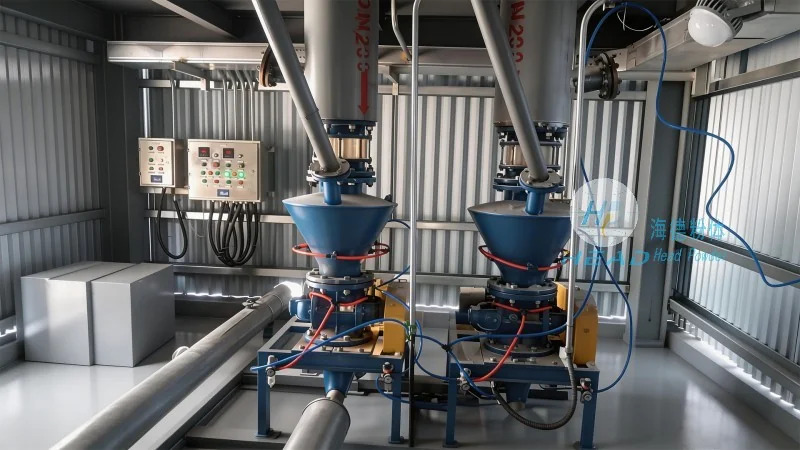
A lithium-ion battery nanomaterial powder handling system typically consists of several interconnected components, each playing a critical role in the overall process. The primary components include a hopper or silo for storing the raw nanomaterial powder, a feeding device (such as a screw feeder or rotary valve) to control the flow of powder from the hopper, a conveying system (like a pneumatic or mechanical conveyor) to transport the powder to the processing equipment, and a control unit to manage the entire operation.
The hopper is designed to hold a large quantity of powder while minimizing the risk of agglomeration or caking. It is often equipped with a agitator or vibratory feeder to ensure consistent material flow. The feeding device is responsible for regulating the amount of powder released into the conveying system, ensuring a steady and controlled feed rate. This is particularly important for nanomaterials, which can be prone to bridging or sticking in traditional hoppers.
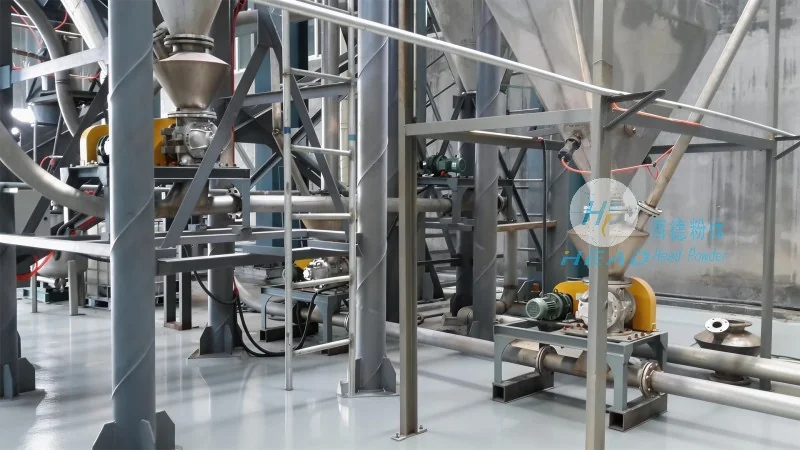
The conveying system transports the powder from the feeding point to the processing equipment, such as a mixer or extruder. Pneumatic conveying systems use air to move the powder, which is effective for fine powders but may require higher air pressures and energy consumption. Mechanical conveying systems, such as screw conveyors or belt conveyors, are often preferred for larger volumes and bulkier materials, offering higher efficiency and lower energy costs.
The control unit, typically a PLC or a dedicated control panel, monitors and controls all aspects of the system. It receives input from sensors (e.g., flow meters, pressure sensors, temperature sensors) and adjusts the operation of the feeding and conveying components accordingly. The control unit also provides feedback to the operator, displaying real-time data and alerts for any deviations from the set parameters. This level of automation ensures that the system operates efficiently and reliably, minimizing downtime and maximizing productivity.
Advantages of Using a Nanomaterial Powder Handling System
Implementing a specialized powder handling system for lithium-ion battery nanomaterials offers several significant advantages over traditional methods. First, it enhances the precision and consistency of the powder feed, which directly impacts the quality of the final battery product. By maintaining a stable flow rate and preventing variations in material composition, the system ensures that each batch of batteries meets the required specifications for performance and safety.
Second, the system improves operational efficiency by reducing downtime and increasing throughput. Automated control and monitoring minimize the need for manual intervention, allowing operators to focus on other tasks while the system runs smoothly. The use of advanced feeding and conveying technologies also reduces the risk of clogging or blockages, which can cause significant delays in production.
Third, the system enhances safety by minimizing the exposure of personnel to fine powders and potential hazards. The enclosed and sealed design of the system prevents dust from entering the environment, reducing the risk of respiratory issues or dust explosions. Additionally, the integration of safety features like emergency stop buttons and interlocked components ensures that any potential risks are quickly addressed.
Fourth, the system contributes to cost savings by optimizing material usage and reducing waste. Precise control over the flow of powder prevents overfilling or underfilling, which can lead to material waste or the need for reprocessing. The efficient operation of the system also reduces energy consumption, lowering operational costs over time.
Conclusion
Lithium-ion battery nanomaterial powder handling systems are essential for the efficient and safe production of high-quality batteries. By adhering to design principles that prioritize precision, safety, and automation, these systems ensure the reliable processing of critical nanomaterials. HeadPowder, with its expertise in powder handling solutions, provides advanced systems that meet the demanding requirements of the battery industry. As the demand for better batteries continues to grow, the importance of such systems will only increase, making them a vital component of modern battery manufacturing.