With more than 10‑year industry experience, Shandong Headpowder delivers full‑service pneumatic‑conveying systems and blowers, undertaking nationwide turn‑key powder‑handling projects.
Carbon powder pneumatic conveying systems are critical in industrial applications for efficiently transporting fine powders like carbon powders. Understanding the underlying principles of these systems is essential for optimizing performance and ensuring reliable operation in various manufacturing processes.
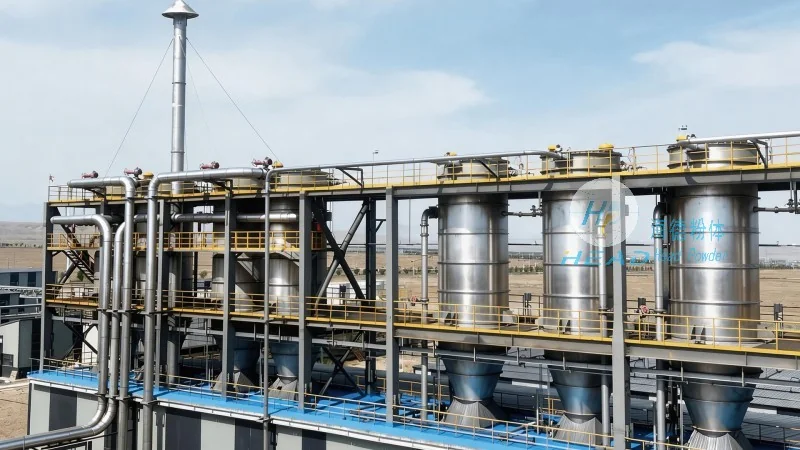
The fundamental principle of a carbon powder pneumatic conveying system involves using air or gas to transport particulate materials through a pipeline. This method, known as pneumatic conveying, relies on the generation of pressure differentials to move the powder. The system typically consists of a hopper for material storage, a conveyor line, a blower or compressor to provide the necessary air pressure, and a control system to regulate the flow. The carbon powder is introduced into the hopper and then drawn into the conveyor line by the moving air stream. As the air flows through the pipeline, it carries the carbon powder particles, ensuring they are transported from the source to the destination without the need for mechanical components like belts or screws.
When applied to carbon powders, pneumatic conveying offers several advantages over traditional mechanical methods. These include reduced contamination risk, as the system is enclosed, preventing exposure to external elements. It also minimizes product degradation, as the carbon powder is not subjected to friction or abrasion from mechanical parts. Additionally, the system allows for precise control over the flow rate and pressure, enabling consistent delivery of the powder to downstream processes. This is particularly important in applications where the quality and purity of carbon powders are critical, such as in battery manufacturing or carbon fiber production.
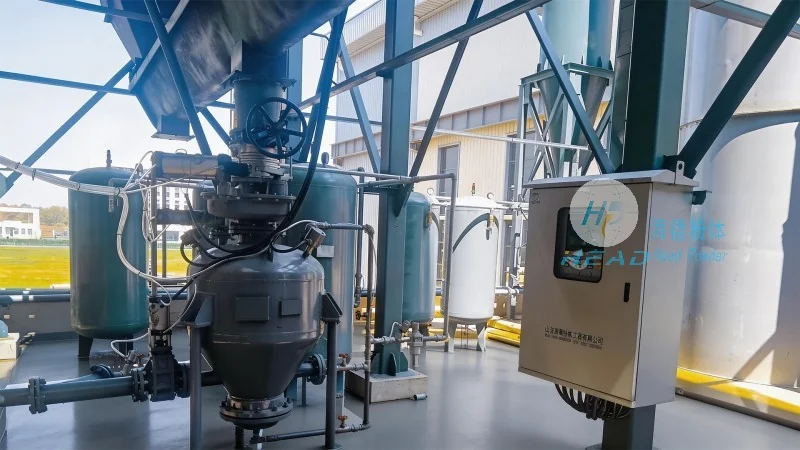
Several factors impact the efficiency and effectiveness of a carbon powder pneumatic conveying system. The particle size and density of the carbon powder are crucial, as they affect the air velocity required for proper transport. Larger or denser particles may require higher air pressure to maintain a stable flow. The system's design, including the pipeline diameter and length, also plays a significant role. Properly sized pipelines ensure that the air velocity remains within the optimal range for conveying the powder without causing excessive pressure drop or particle separation. Furthermore, the material of construction for the hopper and pipeline is important to prevent corrosion or contamination, especially when dealing with carbon powders that may be reactive or sensitive to certain materials.
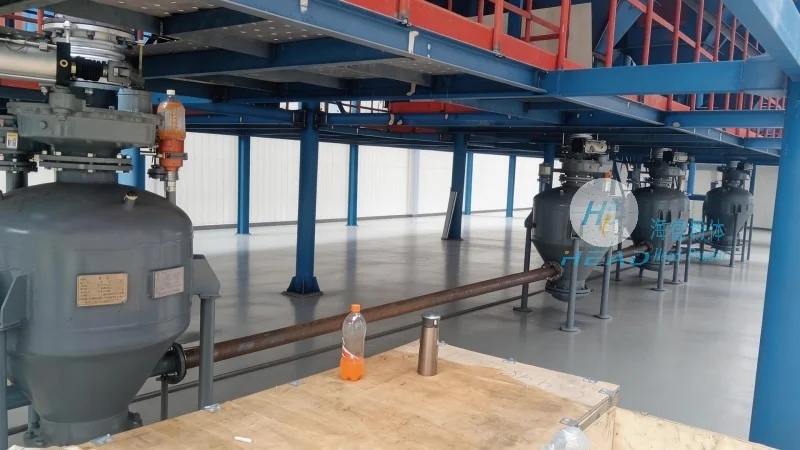
Shandong HeadPowder Engineering Co., Ltd., operating under the brand name headpowder, is a leading provider of specialized engineering solutions for powder handling systems. With a focus on innovation and quality, the company designs and manufactures carbon powder pneumatic conveying systems tailored to meet the unique needs of various industries. Headpowder's expertise lies in understanding the complexities of powder flow and developing systems that ensure efficient, reliable, and safe transportation of carbon powders. The company's commitment to customer satisfaction and technical excellence has established it as a trusted partner in the field of powder handling technology.
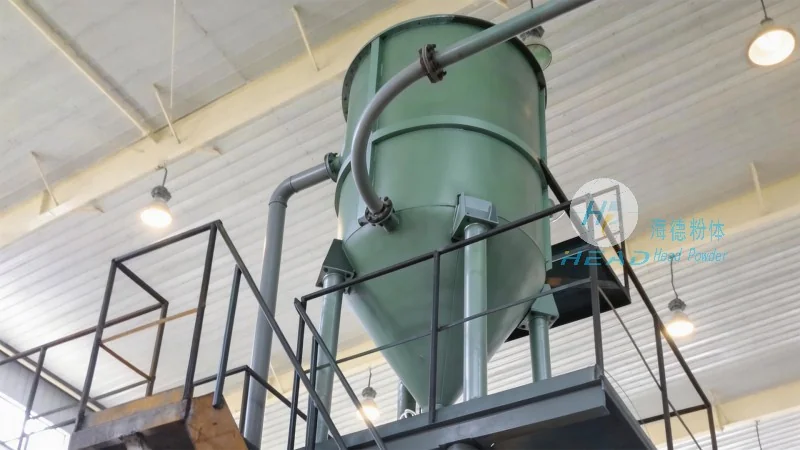
Carbon powder pneumatic conveying systems are widely used in several industrial applications. In the battery manufacturing industry, these systems are essential for transporting carbon powders used in electrode production. The precision and control offered by pneumatic conveying ensure that the carbon powder is delivered in the correct proportion and quality, directly impacting the performance of the final battery products. Similarly, in the carbon fiber industry, the system is used to transport carbon powders used in the production of precursor materials. The ability to handle fine powders without degradation is critical in maintaining the high purity and quality of the carbon fibers. Other applications include the chemical and pharmaceutical industries, where the system is used to transport carbon powders in processes such as filtration and mixing.
Proper maintenance is vital to ensure the long-term performance and reliability of a carbon powder pneumatic conveying system. Regular cleaning of the hopper and pipeline is necessary to prevent the accumulation of powder, which can lead to blockages or reduced efficiency. The blower or compressor should be checked regularly to ensure it is operating within the specified parameters, as excessive wear can affect the system's performance. Additionally, monitoring the air pressure and flow rate is important to detect any issues early and prevent system failures. Headpowder provides comprehensive maintenance services and technical support to help customers optimize the performance of their systems and minimize downtime.

 Shandong Headpowder Engineering Co., Ltd.
 156-6277-7102(Manager Zhang)
  0531-83386006
  Zhangqiu District, Jinan City, Shandong Province, China
telephone
WeChatconsult
top