With more than 10‑year industry experience, Shandong Headpowder delivers full‑service pneumatic‑conveying systems and blowers, undertaking nationwide turn‑key powder‑handling projects.
Understanding glass particle pneumatic conveying is essential for industries dealing with fine materials, as it offers an efficient and flexible method for transporting glass particles. This article provides an overview of the working principle of such systems, highlighting the key components and processes involved in the operation.
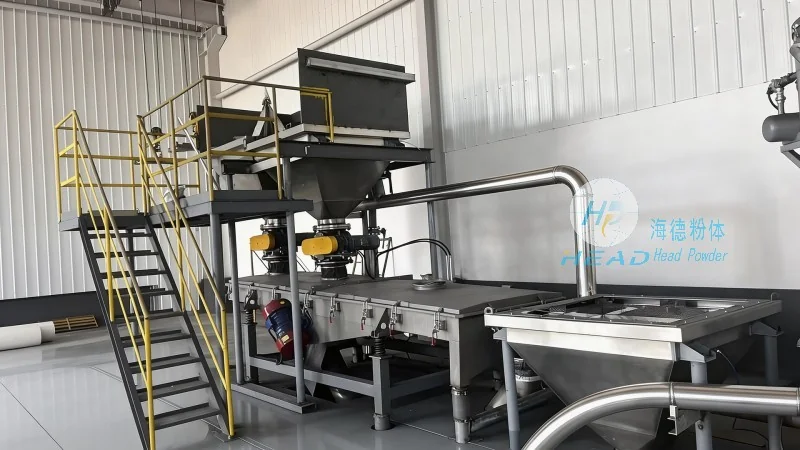
Glass particle pneumatic conveying, also known as powder handling systems, is a technology used to transport dry, particulate materials like glass beads, powders, or granules through a pipeline using a gas stream, typically air or a combination of air and other gases. This method is widely adopted in various industries due to its ability to handle fragile materials without causing damage, its compact design, and its suitability for long-distance or complex route transport.
Shandong HeadPowder Engineering Co., Ltd., commonly known as HeadPowder, is a prominent company specializing in the design, manufacturing, and integration of advanced powder handling systems. With a strong commitment to quality and innovation, HeadPowder serves a diverse range of industries, including glass manufacturing, pharmaceuticals, food processing, and chemical production. The company's headquarters is located in Shandong, China, where it leverages local expertise and resources to develop cutting-edge solutions tailored to the unique needs of its clients.
The core of a pneumatic conveying system is the transfer of material through a pipeline by creating a pressure differential. The system typically consists of several key components, including a material feed hopper, a conveying line, a gas source (such as a blower or compressor), and a control system. The process begins when the glass particles are fed into the hopper, where they are then drawn into the conveying line by the moving gas stream. The gas, often under positive or negative pressure, propels the particles along the pipeline, ensuring efficient and continuous transport.
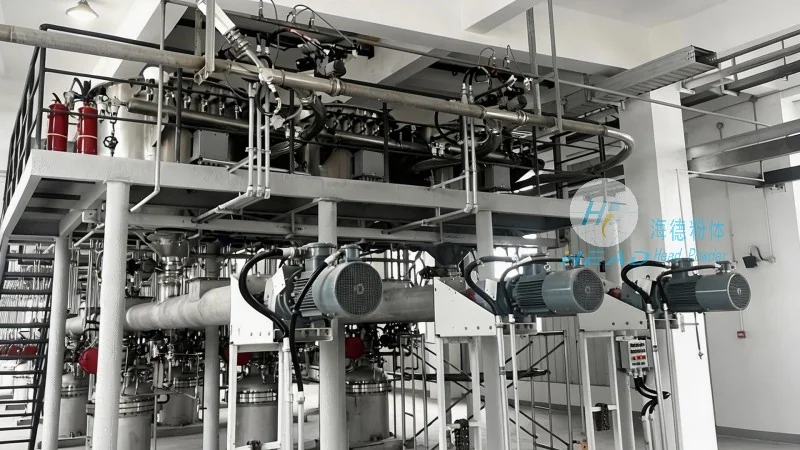
1. Material Feed Hopper: This component holds the glass particles and provides a controlled feed rate into the system. The hopper is designed to minimize material degradation and ensure a consistent flow of particles into the conveying line.
2. Conveying Line: The pipeline through which the glass particles and gas travel. It is typically made of materials resistant to corrosion and wear, such as stainless steel or special plastics, to withstand the abrasive nature of glass particles.
3. Gas Source (Blower/Compressor): This equipment generates the necessary pressure or vacuum to move the particles. Positive pressure systems use a blower to push the gas and particles forward, while negative pressure systems use a vacuum to pull them along the line.
4. Control System: A system of valves, sensors, and controls that monitors and regulates the flow of material and gas. This ensures optimal performance, prevents blockages, and maintains the safety of the operation.
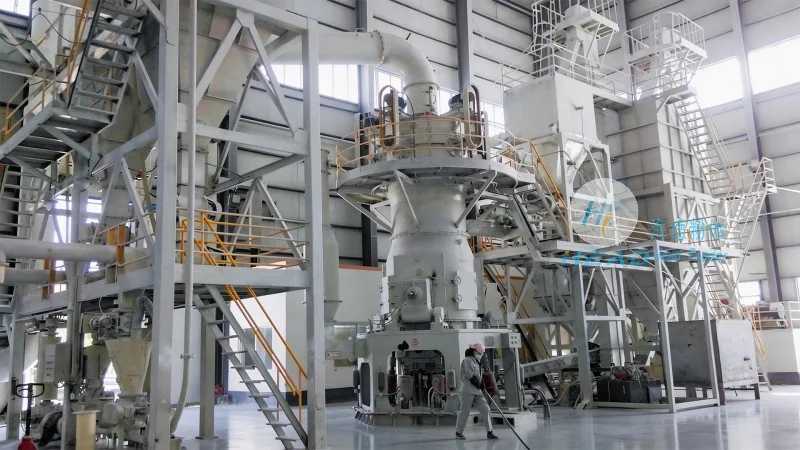
Implementing a pneumatic conveying system for glass particles offers several advantages over traditional methods like belt conveyors or manual handling. These include:
Glass particle pneumatic conveying is particularly valuable in the glass manufacturing industry, where it is used for transporting raw materials such as sand, soda ash, and limestone, as well as finished products like glass beads and powders. The technology ensures that these materials are handled gently, preserving their quality and preventing contamination. Additionally, the system can be integrated with other processing equipment, such as mixers and furnaces, to streamline the production process and enhance overall efficiency.
Glass particle pneumatic conveying is a sophisticated and effective method for handling fine materials, offering numerous benefits to industries that rely on glass particles. By understanding the working principle and components of such systems, businesses can make informed decisions about implementing or upgrading their powder handling infrastructure. With companies like Shandong HeadPowder Engineering Co., Ltd. providing advanced solutions, the adoption of pneumatic conveying continues to grow, supporting the efficient and sustainable operation of glass manufacturing and related industries.

 Shandong Headpowder Engineering Co., Ltd.
 156-6277-7102(Manager Zhang)
  0531-83386006
  Zhangqiu District, Jinan City, Shandong Province, China
telephone
WeChatconsult
top