

The Role of Pneumatic Conveying in the Transportation of Ferrous Oxide
For industries dealing with ferrous oxide, efficient and reliable material handling is crucial. Pneumatic conveying systems offer a sophisticated solution that enhances the safety, efficiency, and cost-effectiveness of transporting this critical material. This article explores the role of pneumatic conveying in the transportation of ferrous oxide, highlighting its benefits and the technical considerations involved.
Understanding Ferrous Oxide and Its Transportation Challenges
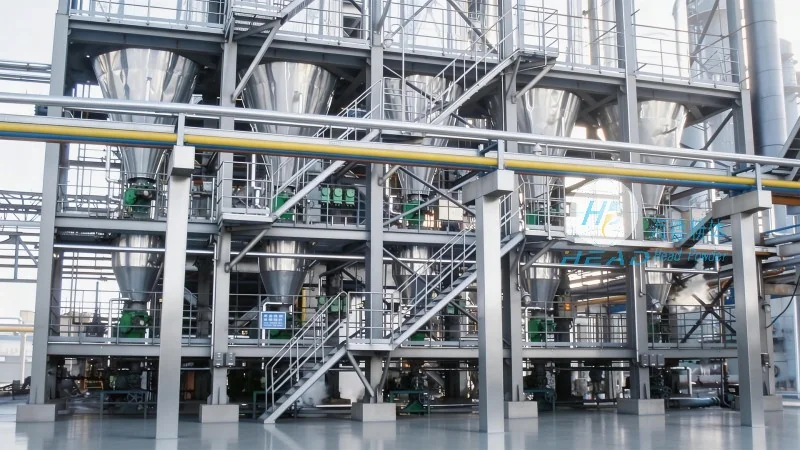
Ferrous oxide, commonly known as iron oxide, is a vital component in various industrial applications, including steel production, pigment manufacturing, and chemical synthesis. The transportation of ferrous oxide requires careful attention to its physical properties, such as its density, flowability, and potential for dust generation. Traditional methods like belt conveyors or bucket elevators may face challenges like material degradation, high maintenance costs, and safety hazards, especially when dealing with fine or powdery ferrous oxide. Pneumatic conveying addresses these challenges by providing a closed system that minimizes exposure to dust and ensures consistent material flow.
The Core Benefits of Pneumatic Conveying in Ferrous Oxide Handling
One of the primary advantages of pneumatic conveying for ferrous oxide is its ability to handle fine powders and granules without the need for mechanical components that can cause wear or contamination. The system operates by using compressed air to transport the material through a pipeline, ensuring a clean and controlled process. This method reduces the risk of product contamination, which is essential for maintaining the quality of ferrous oxide used in high-purity applications. Additionally, pneumatic conveying systems can be designed to handle varying material flow rates, making them adaptable to different production needs. The closed-loop design also minimizes environmental impact by containing dust and preventing air pollution, aligning with modern industrial sustainability goals.
Technical Aspects of Pneumatic Conveying Systems for Ferrous Oxide
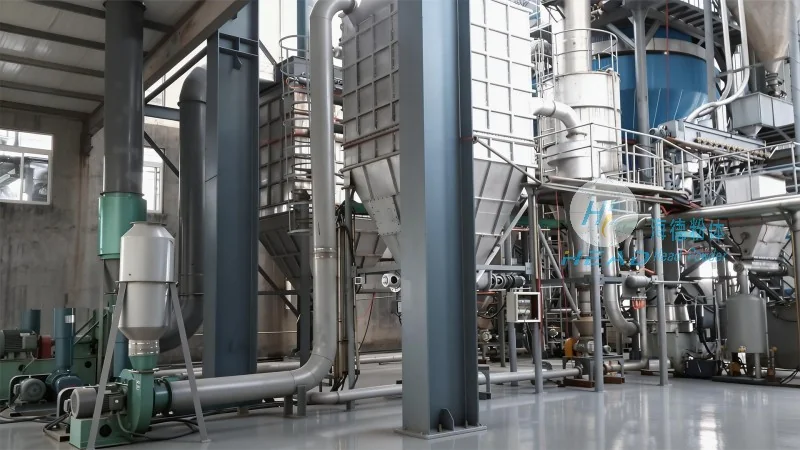
The effectiveness of pneumatic conveying in ferrous oxide transportation depends on several technical factors. The choice between positive and negative pressure systems is a key consideration. Positive pressure systems, where air is blown into the material to move it, are often preferred for long-distance or high-volume transport, as they can maintain consistent air pressure and prevent material degradation. Negative pressure systems, on the other hand, draw material into the system using suction, which is suitable for shorter distances or when handling materials that are prone to dust generation. The design of the conveying pipeline, including the size and material of the pipes, is critical to ensure minimal pressure loss and efficient material transport. Additionally, the use of specialized components like rotary valves, filters, and cyclones helps in controlling the flow and maintaining system efficiency. Proper maintenance of these components is essential to prevent system downtime and ensure long-term performance.
Applications of Pneumatic Conveying in Ferrous Oxide Industries
Pneumatic conveying systems are widely used in various industries that utilize ferrous oxide. In the steel industry, for example, ferrous oxide is used as a raw material in the production of iron and steel. Pneumatic conveying allows for the efficient transport of this material from storage silos to processing units, ensuring a continuous supply without interruptions. In the chemical industry, ferrous oxide is used as a catalyst or pigment, and pneumatic conveying helps in transferring it to reactors or mixing equipment with precision. The pharmaceutical and food industries also benefit from pneumatic conveying when handling ferrous oxide-based products, as the closed system maintains hygiene and prevents contamination. The versatility of pneumatic conveying makes it suitable for a wide range of applications, from small-scale laboratory use to large-scale industrial production.
Case Study: Implementation of Pneumatic Conveying by Shandong HeadPowder Engineering Co., Ltd.
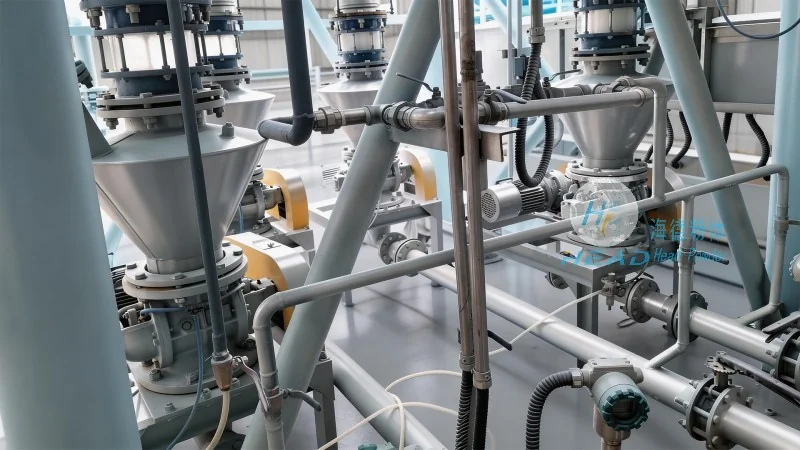
Shandong HeadPowder Engineering Co., Ltd., a leading provider of material handling solutions, has successfully implemented pneumatic conveying systems for ferrous oxide transportation in multiple industrial projects. One notable case involved a steel manufacturing plant in China that required an upgrade to its material handling infrastructure. The company designed and installed a positive pressure pneumatic conveying system that transported ferrous oxide from storage silos to the blast furnace. The system was engineered to handle high volumes of fine ferrous oxide, with a capacity of 100 tons per hour. The implementation resulted in significant improvements in production efficiency, reduced maintenance costs, and enhanced safety for the plant operators. The system also complied with local environmental regulations by containing dust and minimizing air pollution. This case study highlights the expertise of Shandong HeadPowder in designing and implementing customized pneumatic conveying solutions tailored to specific industrial needs.
Conclusion and Future Outlook
Pneumatic conveying plays a vital role in the efficient and safe transportation of ferrous oxide, addressing the challenges associated with traditional material handling methods. The benefits of this technology, including reduced contamination, improved efficiency, and enhanced safety, make it an attractive option for industries dealing with ferrous oxide. As industrial processes continue to evolve, the demand for advanced material handling solutions will increase, and pneumatic conveying systems will remain a key component in ensuring the smooth operation of ferrous oxide-based production lines. Shandong HeadPowder Engineering Co., Ltd. remains committed to providing innovative and reliable pneumatic conveying solutions that meet the evolving needs of the industry, ensuring the continued success of ferrous oxide transportation in various applications.