With more than 10‑year industry experience, Shandong Headpowder delivers full‑service pneumatic‑conveying systems and blowers, undertaking nationwide turn‑key powder‑handling projects.
Plastic granules are a critical component in modern manufacturing processes, used across various industries such as packaging, automotive, and construction. The efficient and reliable transportation of these materials is essential to maintain production flow and minimize downtime. Pneumatic conveying has emerged as a preferred method for handling plastic pellets due to its versatility, cleanliness, and ability to handle a wide range of particle sizes and types. This article explores the role of pneumatic conveying in plastic pellet transport, highlighting its benefits and applications.
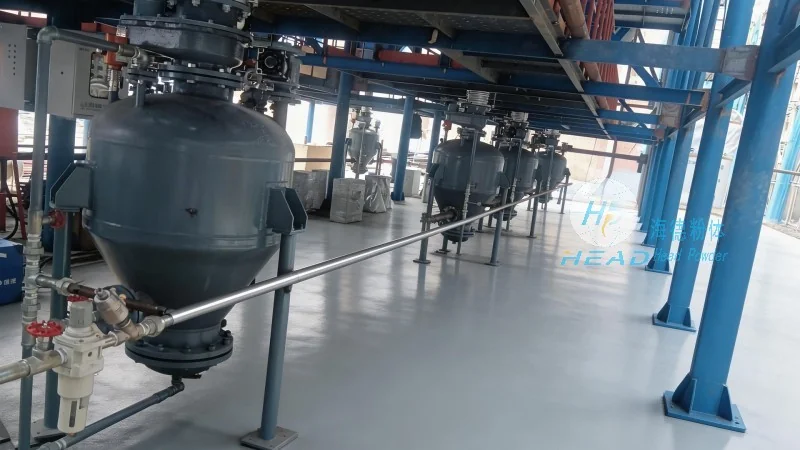
Pneumatic conveying systems use air or gas to transport bulk materials like plastic pellets through a pipeline. Unlike mechanical systems that rely on belts, screws, or buckets, pneumatic conveying offers a non-contact method of material movement. This reduces wear and tear on the pellets and the conveying equipment, extending the lifespan of both. The technology operates by creating a pressure differential, either by suction (negative pressure) or pressure (positive pressure), to move the material from the source to the destination.
When handling plastic pellets, several factors make pneumatic conveying an ideal choice. First, it provides a clean and dust-free environment, which is crucial for maintaining product quality and preventing contamination. Unlike mechanical systems that can generate dust or cause particle degradation, pneumatic conveying keeps the pellets in a sealed system, ensuring they remain intact and free from external contaminants. Second, the system is highly flexible, allowing for changes in the conveying route without major modifications. This adaptability is particularly valuable in dynamic manufacturing environments where production lines may need to be reconfigured frequently. Third, pneumatic conveying systems can handle both short and long-distance transport, making them suitable for various plant layouts. For example, a small-scale operation may use a short-distance system for moving pellets from a hopper to a mixer, while a large-scale facility might employ a long-distance system to transport pellets across multiple buildings.
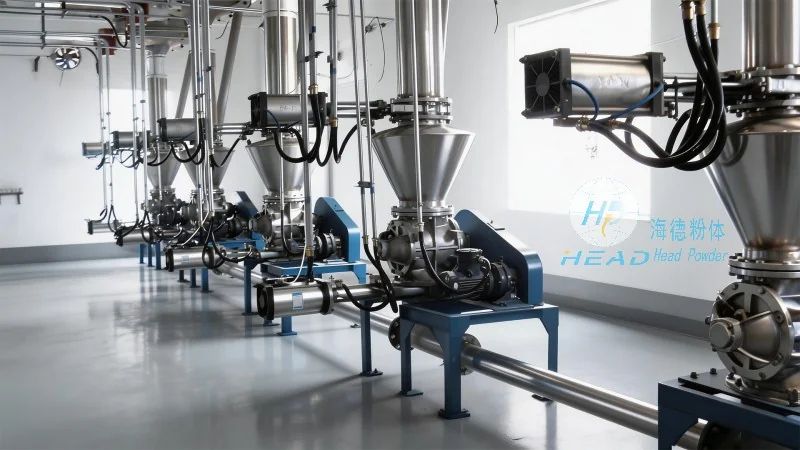
Pneumatic conveying is widely used in the plastic industry for several key applications. One common use is in the transfer of raw plastic pellets from storage silos or hoppers to processing equipment such as extruders or injection molding machines. This ensures a continuous and controlled supply of material to the production line, reducing the risk of interruptions. Another application is in the handling of finished products, where pneumatic conveying can be used to transport molded parts from the molding machine to packaging or quality control stations. Additionally, pneumatic conveying systems are used in recycling operations to transport recycled plastic pellets from sorting facilities to reprocessing plants. The ability to handle both raw and recycled materials makes this technology essential for sustainable plastic processing.
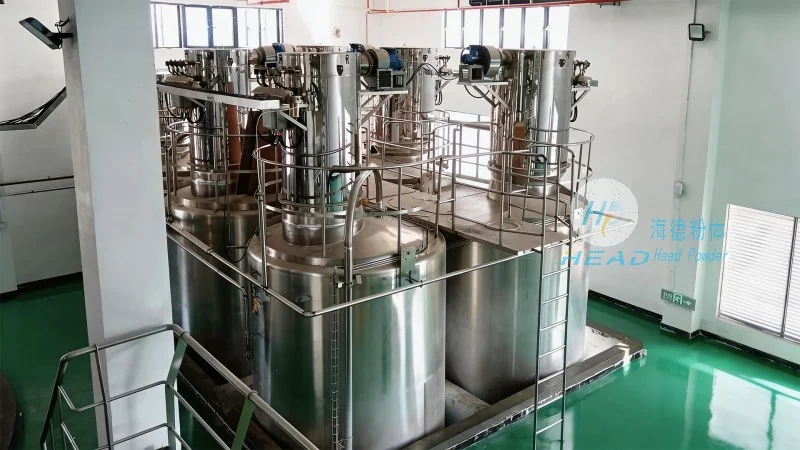
Shandong HeadPowder Engineering Co., Ltd., based in Shandong, China, is a leading provider of pneumatic conveying solutions tailored for the plastic industry. The company specializes in designing and manufacturing customized pneumatic conveying systems that meet the specific needs of plastic manufacturers. With years of experience in the field, HeadPowder has developed a reputation for delivering high-quality, reliable equipment that enhances production efficiency and product quality. The company's team of engineers and technicians work closely with clients to understand their unique requirements and provide tailored solutions that optimize material handling processes. Whether it's a new installation or an upgrade to an existing system, HeadPowder offers comprehensive support, including design, installation, and maintenance services. The company's commitment to innovation and customer satisfaction has made it a trusted partner for plastic manufacturers worldwide.
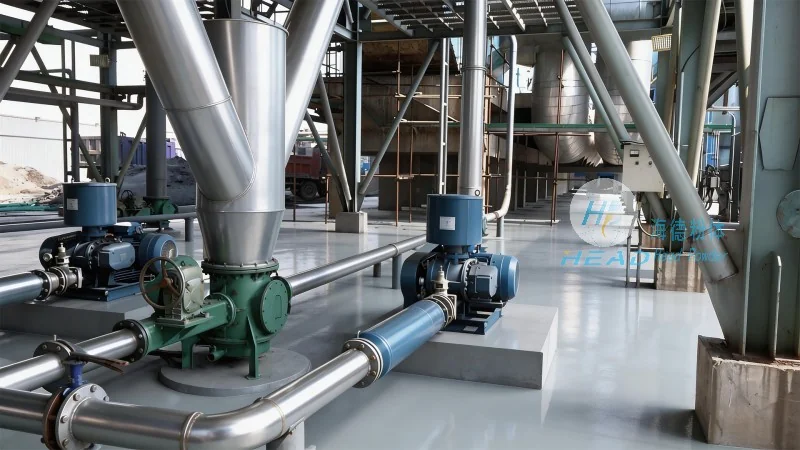
Implementing a pneumatic conveying system for plastic pellets requires careful consideration of several technical factors. The first is the type of conveying system, which can be classified as either pressure or vacuum. Pressure systems use compressed air to push the material through the pipeline, while vacuum systems use suction to draw the material. The choice between the two depends on the distance, elevation changes, and material characteristics. For example, pressure systems are often used for long-distance transport due to their higher efficiency, while vacuum systems are suitable for short-distance or horizontal transport. Another critical factor is the pipeline design, including the diameter, length, and number of bends. The diameter of the pipeline must be sufficient to prevent blockages and ensure smooth material flow. The number and angle of bends also affect the system's efficiency, as excessive bends can cause pressure losses and material degradation. Additionally, the material of the pipeline and components must be compatible with the plastic pellets to prevent chemical reactions or corrosion. For plastic pellets, stainless steel or plastic-lined pipelines are commonly used to ensure durability and resistance to the material's properties.
To ensure the longevity and efficiency of a pneumatic conveying system for plastic pellets, regular maintenance is essential. This includes cleaning the pipeline and components to remove accumulated material and prevent blockages. Regular inspection of the air compressor or vacuum pump is also necessary to ensure optimal performance. The filters in the system should be checked and replaced regularly to maintain air quality and prevent dust buildup. Additionally, monitoring the system's pressure and flow rates can help identify potential issues before they become major problems. Proper training of operators on the system's operation and maintenance is also crucial to prevent accidents and ensure smooth operation. By following these maintenance and operational tips, plastic manufacturers can maximize the lifespan of their pneumatic conveying systems and maintain consistent production output.

 Shandong Headpowder Engineering Co., Ltd.
 156-6277-7102(Manager Zhang)
  0531-83386006
  Zhangqiu District, Jinan City, Shandong Province, China
telephone
WeChatconsult
top