With more than 10‑year industry experience, Shandong Headpowder delivers full‑service pneumatic‑conveying systems and blowers, undertaking nationwide turn‑key powder‑handling projects.
Adipic acid, a critical chemical intermediate widely used in the production of nylon and other polymers, requires efficient and reliable transport solutions to ensure smooth industrial operations. Pneumatic conveying systems have emerged as a preferred method for handling adipic acid due to their ability to transport powders and granules over long distances with minimal product degradation. This article explores the different types of pneumatic conveying systems commonly used in adipic acid transport and their practical applications, highlighting the technical advantages and operational considerations that make them suitable for this demanding application.
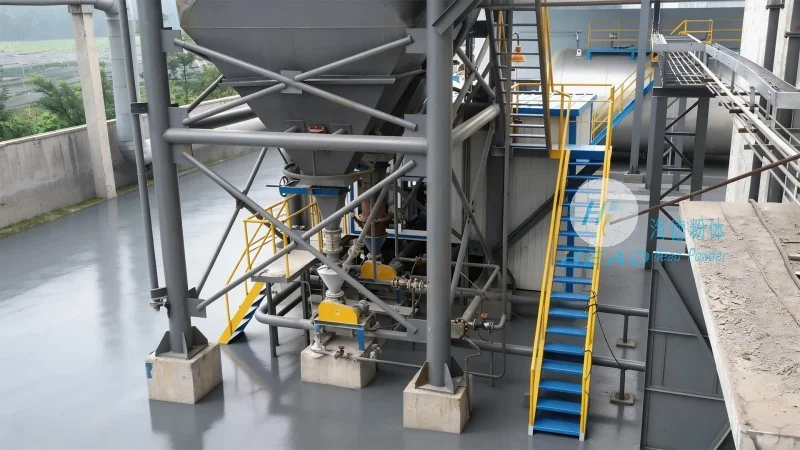
There are primarily two types of pneumatic conveying systems: positive pressure and negative pressure systems. Each type has distinct characteristics that influence their suitability for adipic acid handling.
Positive pressure systems operate by blowing air or gas into the conveying line, creating a pressure higher than the ambient air pressure. This method is particularly effective for transporting adipic acid in bulk quantities over medium to long distances. The system typically includes a blower, a hopper for material storage, and a discharge point. The positive pressure helps maintain the integrity of the adipic acid particles, reducing the risk of caking or agglomeration during transport. HeadPowder, a leading engineering company based in Shandong, China, specializes in designing and manufacturing customized positive pressure pneumatic conveying systems tailored to the specific needs of adipic acid producers.
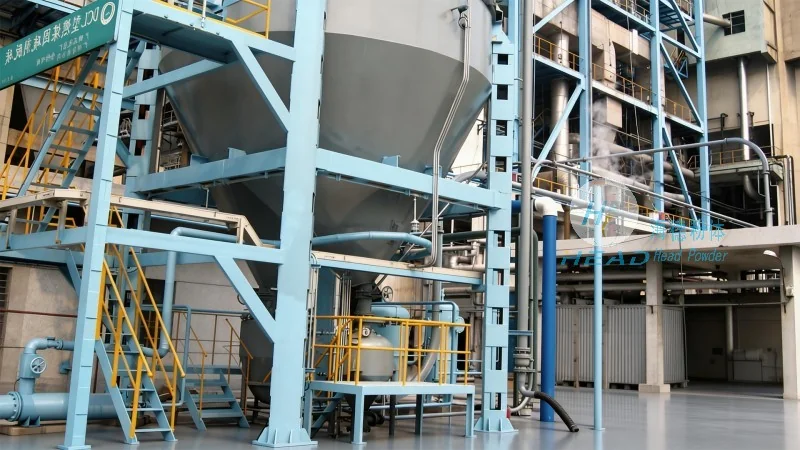
Negative pressure systems, also known as vacuum conveying systems, create a vacuum in the conveying line, drawing the material from the source to the destination. This approach is ideal for applications requiring gentle handling of adipic acid, especially when the material is sensitive to pressure changes or when the transport distance is relatively short. Negative pressure systems are often preferred in environments where dust control is a priority, as they minimize the release of fine particles into the air. The design of these systems includes a vacuum pump, a collection hopper, and a discharge valve. HeadPowder's expertise in negative pressure systems ensures that adipic acid is transported with minimal product loss and optimal air quality compliance.
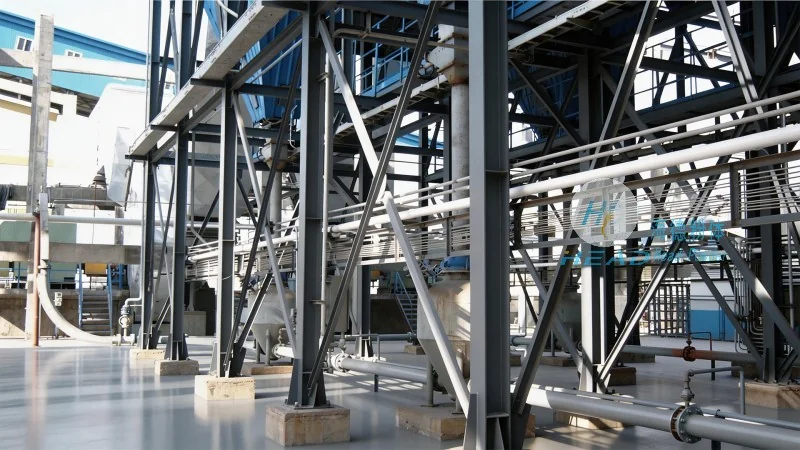
Pneumatic conveying systems are integral to various stages of adipic acid production, from raw material handling to finished product transfer. In the raw material stage, these systems efficiently transport adipic acid from storage silos to processing reactors, ensuring a continuous and controlled feed. During the production process, pneumatic conveying facilitates the transfer of intermediate products between different processing units, maintaining the purity and quality of the chemical. At the end of the production line, the systems handle the finished adipic acid, packaging it for distribution to customers. The practical application of these systems not only enhances operational efficiency but also reduces labor costs and improves workplace safety by minimizing manual handling of the material.
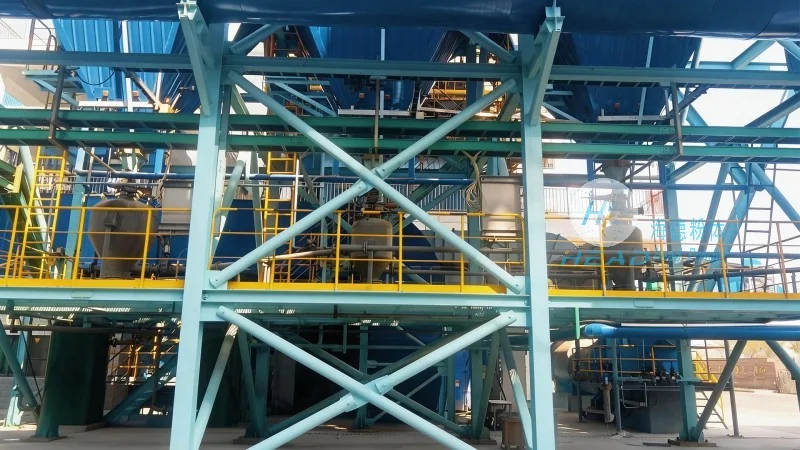
Both positive and negative pressure pneumatic conveying systems offer several advantages for adipic acid transport. The primary benefits include reduced product contamination, lower energy consumption compared to mechanical conveying methods, and the ability to handle abrasive or corrosive materials like adipic acid without causing wear and tear on equipment. However, operational considerations are crucial for optimal performance. For instance, the choice between positive and negative pressure systems depends on factors such as the distance between the source and destination, the volume of material to be transported, and the need for dust control. HeadPowder's engineering team conducts thorough assessments of these factors to design systems that meet the specific requirements of each adipic acid facility.
Pneumatic conveying systems are indispensable in the efficient and safe transport of adipic acid. By understanding the different types of systems and their practical applications, industrial facilities can select the most appropriate solution to enhance their production processes. HeadPowder Engineering Co., Ltd., with its expertise in pneumatic conveying technology and a strong presence in Shandong, China, continues to provide innovative solutions that meet the evolving needs of the adipic acid industry, ensuring reliable and cost-effective material handling for its clients.

 Shandong Headpowder Engineering Co., Ltd.
 156-6277-7102(Manager Zhang)
  0531-83386006
  Zhangqiu District, Jinan City, Shandong Province, China
telephone
WeChatconsult
top