With more than 10‑year industry experience, Shandong Headpowder delivers full‑service pneumatic‑conveying systems and blowers, undertaking nationwide turn‑key powder‑handling projects.
Boric acid, a vital industrial chemical, often requires efficient and reliable material handling solutions for its transportation. Pneumatic conveying technology provides a versatile approach to move boric acid from one location to another, with two primary methods: negative pressure (suction) and positive pressure (blow) systems. This article delves into the technical aspects, advantages, and practical applications of both systems, offering a comprehensive guide for industries dealing with boric acid.
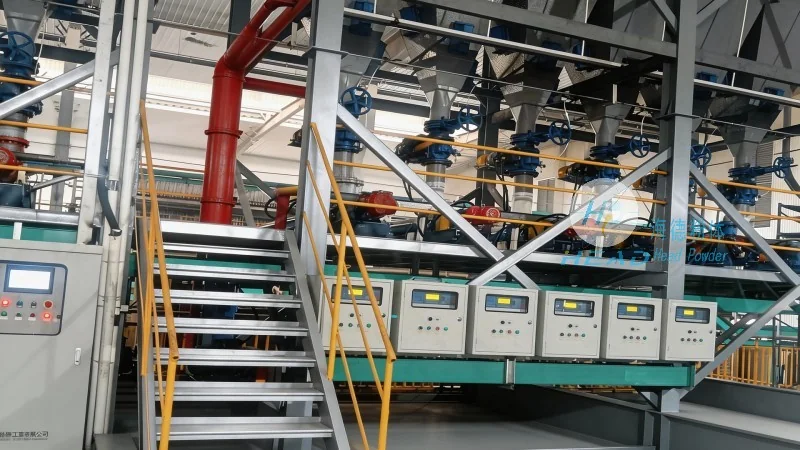
HeadPowder, formally known as Shandong HeadPowder Engineering Co., Ltd., is a leading provider of specialized engineering solutions for material handling and processing. The company focuses on innovative technologies and tailored systems, establishing itself as a trusted partner for businesses requiring efficient boric acid transportation solutions. HeadPowder’s expertise lies in designing and implementing pneumatic conveying systems that meet the unique demands of industrial applications, ensuring safety, efficiency, and cost-effectiveness.
Negative pressure pneumatic conveying systems operate by creating a vacuum at the material loading point, drawing boric acid particles into a pipeline using air flow. This method is particularly suitable for applications where the material is collected from multiple sources or transported over short to medium distances. The key components of a negative pressure system include a suction unit, pipeline network, and a discharge unit. The system’s design ensures minimal product degradation and efficient collection, making it ideal for handling boric acid in various forms, such as powders or granules.
One of the primary advantages of negative pressure systems is their ability to handle fine powders without causing excessive dust or clogging. The vacuum created helps maintain product integrity and reduces the risk of material loss. Additionally, these systems are often more cost-effective for shorter distances and lower material volumes, as they require less energy compared to positive pressure systems. However, they may have limitations in terms of distance and material capacity, which need to be considered during system design.
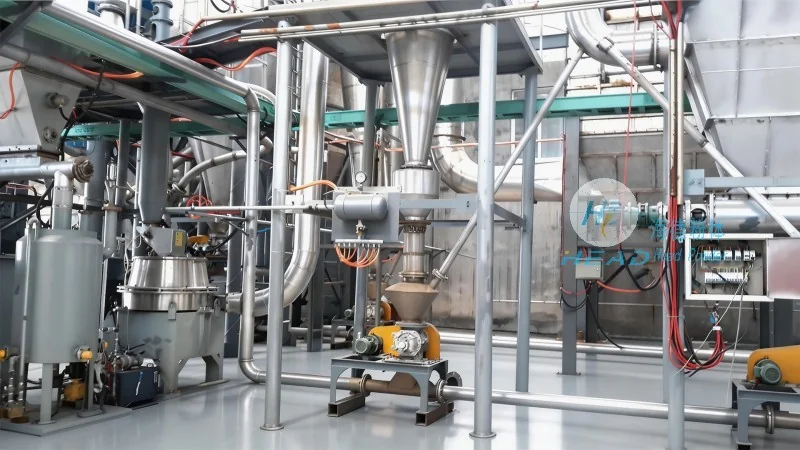
Positive pressure systems, conversely, use compressed air to push boric acid particles through a pipeline. This method is commonly used for longer distances and higher material volumes, as the pressure can maintain the flow of material over greater distances without significant loss of velocity. The system typically includes a blower, a material feed hopper, and a discharge unit. Positive pressure systems are particularly effective for handling bulk boric acid, as they can transport large quantities efficiently and maintain consistent flow rates.
Positive pressure systems offer several benefits, including the ability to transport boric acid over longer distances with higher material throughput. The compressed air ensures consistent flow, reducing the risk of clogging and material degradation. These systems are also more suitable for handling abrasive or corrosive materials, as the air pressure helps protect the pipeline and equipment from wear and tear. However, they require more energy and may generate more noise compared to negative pressure systems, which should be factored into the overall system design.
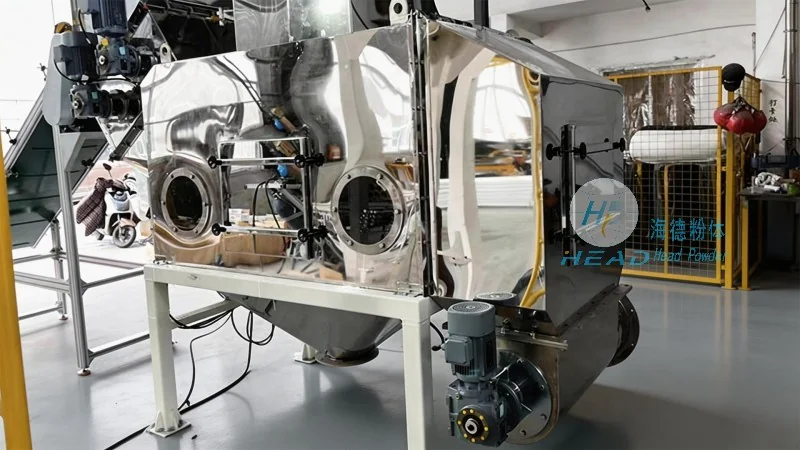
Boric acid is utilized in various industries, including glass manufacturing, detergents, pharmaceuticals, and agriculture. The choice of pneumatic conveying system depends on the specific application requirements. For instance, in glass production, negative pressure systems may be used to transport boric acid from storage to the furnace, while positive pressure systems might be employed for bulk handling in agricultural applications. The flexibility of both systems allows for adaptation to different industrial needs, ensuring optimal performance and efficiency.
When designing a pneumatic conveying system for boric acid, several factors must be considered to ensure optimal performance. These include the material’s properties (e.g., particle size, moisture content, and flowability), the distance and elevation changes, and the required throughput. HeadPowder’s engineers utilize advanced computational fluid dynamics (CFD) and material flow analysis to design systems that meet these criteria. The selection of appropriate equipment, such as blower or vacuum units, and the configuration of the pipeline network are critical to the system’s success. Proper maintenance and regular inspections are also essential to prevent system failures and ensure long-term reliability.
Both negative pressure and positive pressure pneumatic conveying systems offer effective solutions for boric acid transportation, each with its own advantages and limitations. The choice between the two depends on the specific application, distance, material volume, and operational requirements. By understanding the technical aspects and benefits of each system, industries can select the most suitable solution to enhance their material handling processes. HeadPowder Engineering Co., Ltd. provides expert guidance and customized solutions to help businesses optimize their boric acid transportation systems, ensuring efficiency, safety, and cost-effectiveness.

 Shandong Headpowder Engineering Co., Ltd.
 156-6277-7102(Manager Zhang)
  0531-83386006
  Zhangqiu District, Jinan City, Shandong Province, China
telephone
WeChatconsult
top