With more than 10‑year industry experience, Shandong Headpowder delivers full‑service pneumatic‑conveying systems and blowers, undertaking nationwide turn‑key powder‑handling projects.
When dealing with hazardous materials like hexafluorophosphate, the design and operation of pneumatic conveying systems require meticulous attention to safety and efficiency. Hexafluorophosphate is a chemical compound often used in industrial applications, such as in the production of lithium-ion batteries and pharmaceuticals. Its handling demands specialized equipment to ensure both operational reliability and environmental protection. This article focuses on the critical aspects of preventing dust leakage in such systems, highlighting key strategies and best practices that are essential for maintaining a safe and compliant operation.
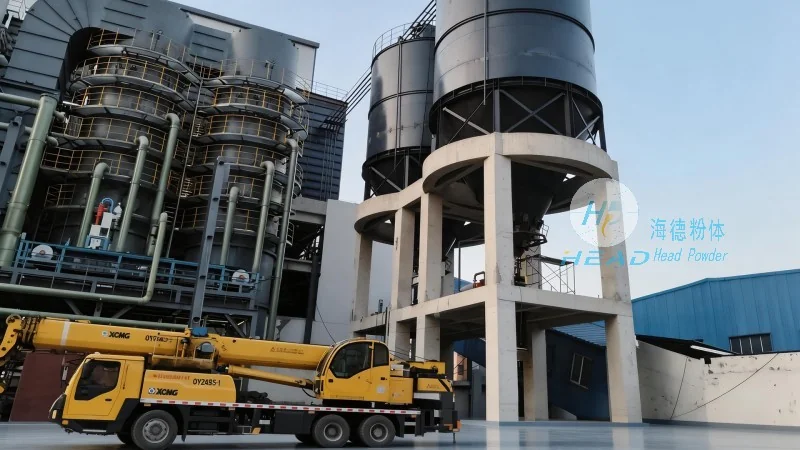
Hexafluorophosphate is a white crystalline powder with a molecular formula of NaPF₆. It is highly soluble in water and can be reactive under certain conditions. The primary challenge in handling this material is its tendency to generate fine dust particles, which can pose inhalation risks and lead to environmental contamination. Pneumatic conveying systems, which use air to transport powders, are commonly employed in industries dealing with hexafluorophosphate due to their ability to move materials over long distances without the need for mechanical components. However, these systems are inherently prone to dust leakage if not properly designed and maintained. The risk of dust leakage increases with the material's fineness and the system's pressure differentials, making it a critical concern for safety and regulatory compliance.
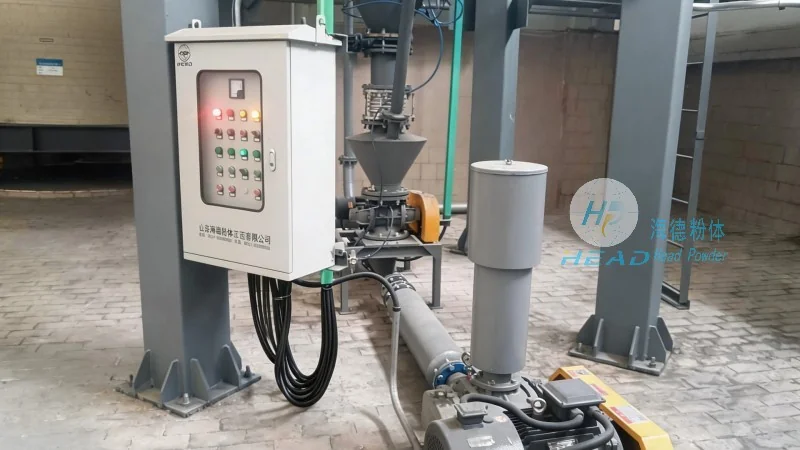
Shandong HeadPowder Engineering Co., Ltd., a leading provider of engineering solutions for powder handling, specializes in designing and implementing pneumatic conveying systems tailored to the unique needs of hexafluorophosphate. The company’s expertise lies in integrating advanced technologies to minimize dust leakage and enhance system performance. By leveraging years of experience in the field, HeadPowder offers customized solutions that address the specific challenges associated with handling this hazardous material. The company’s team of engineers works closely with clients to assess their operational requirements and develop systems that meet both safety standards and production goals. HeadPowder’s solutions often include positive pressure conveying, sealed transfer points, and advanced dust collection systems, all designed to ensure the safe and efficient transport of hexafluorophosphate.
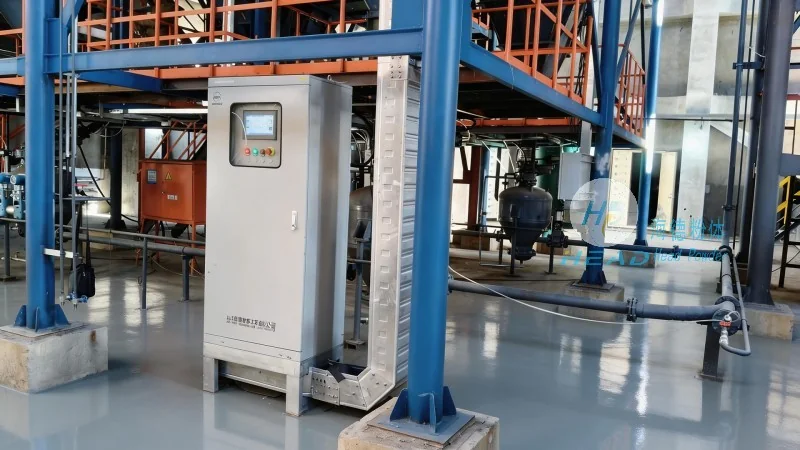
Several strategies are employed to prevent dust leakage in pneumatic conveying systems for hexafluorophosphate. One of the most effective approaches is the use of positive pressure systems, where the conveying line is maintained under pressure to prevent external air from entering and carrying dust out. This method ensures that the material remains contained within the system, reducing the risk of exposure. The pressure in the system is typically maintained at a level slightly above atmospheric pressure, which creates a barrier against external air ingress. Additionally, proper sealing of all connections, including valves, elbows, and transfer points, is crucial. High-quality gaskets and seals are used to create airtight joints, minimizing the potential for leaks. The use of flexible connectors with reinforced seals is also recommended to accommodate thermal expansion and system vibrations without compromising the seal integrity.

 Shandong Headpowder Engineering Co., Ltd.
 156-6277-7102(Manager Zhang)
  0531-83386006
  Zhangqiu District, Jinan City, Shandong Province, China
telephone
WeChatconsult
top