With more than 10‑year industry experience, Shandong Headpowder delivers full‑service pneumatic‑conveying systems and blowers, undertaking nationwide turn‑key powder‑handling projects.
When operating pneumatic conveying systems to transport sodium sulfate powder, preventing dust leakage is a critical concern for maintaining operational efficiency, ensuring workplace safety, and complying with environmental regulations. The challenge lies in the fine particle nature of sodium sulfate, which can easily become airborne and cause health hazards or environmental contamination if not properly managed. This article explores effective strategies and solutions developed by Shandong HeadPowder Engineering Co., Ltd. to mitigate dust leakage during the conveying process.
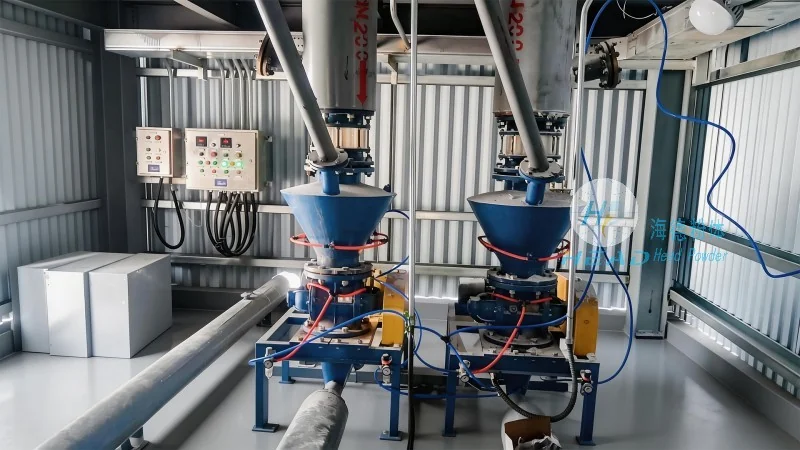
Sodium sulfate, also known as Glauber's salt, is a white crystalline powder commonly used in industries such as glass manufacturing, paper production, and chemical processing. Its fine particle size and hygroscopic properties make it prone to generating dust during handling and transportation. In pneumatic conveying systems, where the powder is suspended in air and transported through pipelines, the risk of dust leakage increases due to pressure differentials, equipment wear, and improper sealing. Dust leakage not only leads to material loss but also poses respiratory risks to workers and can result in environmental pollution if not controlled.
Shandong HeadPowder Engineering Co., Ltd. specializes in designing and manufacturing advanced pneumatic conveying systems tailored to handle sodium sulfate powder while minimizing dust leakage. Their solutions focus on several key areas:
1. Seal Design and Maintenance: The company employs high-quality sealing components, such as double-flange gaskets and flexible diaphragms, to ensure tight connections at joints, valves, and hoppers. Regular maintenance schedules are recommended to replace worn seals, preventing gaps that allow dust to escape. For example, their pneumatic conveying systems feature integrated sealing mechanisms that maintain pressure integrity even under varying flow rates.
2. Material Handling Equipment: HeadPowder uses specialized hoppers and feeders designed to minimize material buildup and reduce the likelihood of dust generation. The hoppers are equipped with smooth, non-stick surfaces to prevent static accumulation, which can cause powder to become airborne. Additionally, their feeders incorporate vibration or rotary mechanisms to ensure consistent material flow, reducing the need for manual intervention that often leads to dust exposure.

3. Filter and Dust Collection Systems: To capture any airborne particles that may escape, HeadPowder integrates efficient dust collection systems into their conveying lines. These systems typically include high-efficiency particulate air (HEPA) filters or baghouse filters that capture fine sodium sulfate particles before they are released into the environment. The company's filter designs are optimized for the specific particle size and moisture content of sodium sulfate, ensuring high filtration efficiency and low maintenance costs.
4. System Pressure and Flow Control: Proper control of system pressure and flow rates is crucial in preventing dust leakage. HeadPowder's systems are equipped with advanced pressure sensors and flow meters that monitor and adjust the conveying parameters in real-time. By maintaining optimal pressure differentials and flow rates, the risk of dust being forced out of seals or equipment is significantly reduced. This control also helps in reducing energy consumption and extending the lifespan of the conveying components.
Implementing these solutions requires a systematic approach to ensure long-term effectiveness. Shandong HeadPowder Engineering Co., Ltd. provides comprehensive support, including on-site installation, training for operators, and regular maintenance services. The following guidelines are recommended for optimal performance:
1. Regular Inspection and Maintenance: Conduct routine inspections of all sealing components, hoppers, and filters at least monthly. Replace any worn or damaged parts promptly to prevent dust leakage. For example, checking the integrity of gaskets at valve connections and ensuring that the filter bags are not clogged can prevent sudden increases in dust emissions.
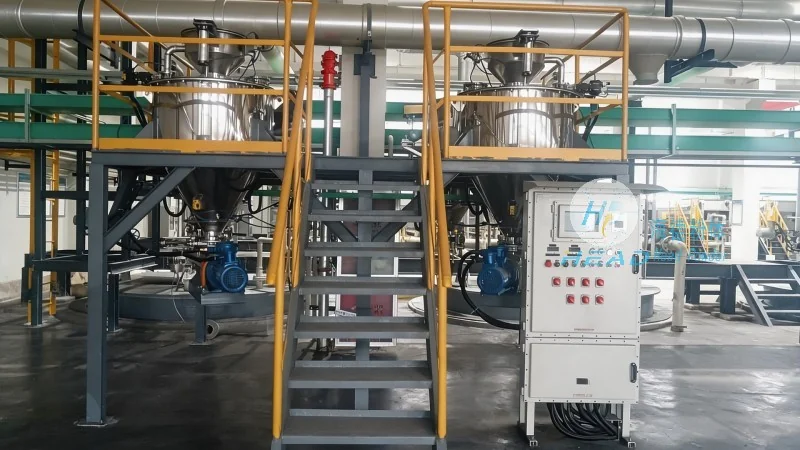
2. Proper System Start-Up and Shutdown: Follow the manufacturer's instructions for starting and shutting down the pneumatic conveying system. Abrupt changes in pressure or flow can cause dust to escape from seals. Gradual ramp-up and ramp-down procedures help maintain system stability and reduce the risk of dust leakage.
3. Environmental Monitoring: Install air quality monitoring devices near the conveying system to detect any abnormal dust levels. This allows for early detection of leaks and enables timely corrective actions. HeadPowder recommends using particulate matter (PM) sensors to measure the concentration of sodium sulfate particles in the air, ensuring compliance with local environmental regulations.
4. Training and Safety Protocols: Ensure that all personnel operating the pneumatic conveying system are trained on proper handling procedures and safety measures. This includes wearing appropriate personal protective equipment (PPE), such as dust masks and respirators, and following established protocols for cleaning and maintenance. Training sessions should be conducted regularly to reinforce best practices and address any changes in system operation.
Preventing dust leakage in pneumatic conveying systems for sodium sulfate powder is a multifaceted challenge that requires a combination of advanced engineering solutions and diligent maintenance practices. Shandong HeadPowder Engineering Co., Ltd. offers comprehensive solutions that address the unique properties of sodium sulfate, ensuring efficient material transport while minimizing environmental and health risks. By implementing their seal designs, specialized equipment, and effective dust collection systems, industries can achieve reliable operation and compliance with safety and environmental standards. With proper implementation and maintenance, these systems provide a sustainable and safe method for handling sodium sulfate powder, contributing to overall operational efficiency and workplace safety.

 Shandong Headpowder Engineering Co., Ltd.
 156-6277-7102(Manager Zhang)
  0531-83386006
  Zhangqiu District, Jinan City, Shandong Province, China
telephone
WeChatconsult
top