With more than 10‑year industry experience, Shandong Headpowder delivers full‑service pneumatic‑conveying systems and blowers, undertaking nationwide turn‑key powder‑handling projects.
For industrial facilities dealing with desulfurization and dust removal processes, the efficient and clean transport of ash and sludge is a critical challenge. Traditional methods, such as belt conveyors or bucket elevators, often face issues like material caking, corrosion, and high maintenance costs. In contrast, pneumatic conveying technology offers a modern, effective solution that enhances operational efficiency while ensuring environmental compliance. This article explores the principles, benefits, and practical applications of pneumatic conveying systems tailored for handling desulfurization and dust removal ash, highlighting how they contribute to cleaner and more efficient industrial operations.
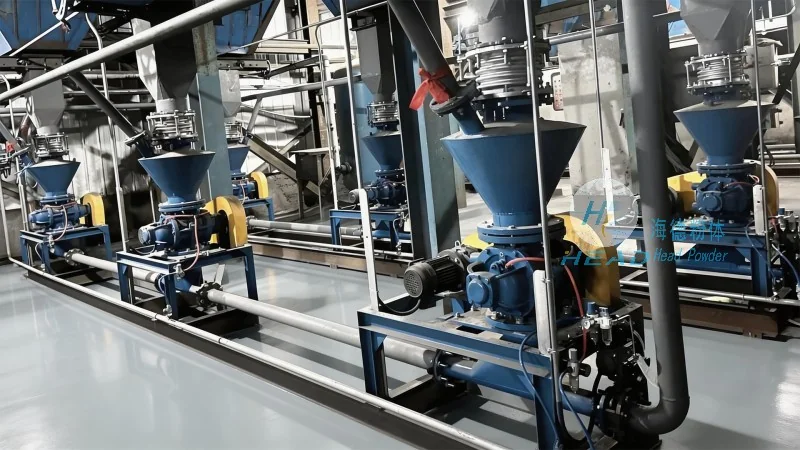
HeadPowder, a leading provider of specialized engineering solutions, specializes in designing and implementing advanced pneumatic conveying systems for industrial applications. With a focus on innovation and reliability, the company's expertise lies in optimizing ash transport processes for power plants, chemical facilities, and other industrial sectors. By leveraging cutting-edge technology and tailored system designs, HeadPowder ensures that clients achieve significant improvements in material handling efficiency, reduced downtime, and enhanced safety standards. The company's commitment to clean and efficient solutions aligns with the growing demand for sustainable industrial practices, making pneumatic conveying a preferred choice for modern desulfurization and dust removal operations.
At the core of pneumatic conveying systems is the ability to transport bulk materials through a pipeline using air or gas as the conveying medium. This technology eliminates the need for mechanical components that come into direct contact with the material, reducing wear and tear and minimizing the risk of contamination. For desulfurization and dust removal ash, which often contains abrasive and corrosive components, pneumatic conveying provides a robust and reliable method of transport. The system typically consists of a hopper, a feeder, a conveying line, and a receiver, with optional components like filters and cyclones to ensure material separation and air purification. This modular design allows for flexibility in system configuration, accommodating various material characteristics and operational requirements.
The benefits of pneumatic conveying for ash transport are multifaceted. First, it significantly improves material handling efficiency by enabling continuous, high-volume transport without the need for manual intervention. Unlike traditional methods that may require frequent stops for maintenance or material replenishment, pneumatic systems operate continuously, reducing downtime and increasing overall productivity. Second, the technology offers a cleaner and more hygienic solution, as the material is contained within a sealed pipeline, preventing dust emissions and minimizing environmental impact. This is particularly important for industrial facilities located in urban or residential areas, where air quality regulations are stringent. Third, pneumatic conveying reduces maintenance costs by eliminating moving parts that come into direct contact with the material, such as belts or buckets. The lack of mechanical wear reduces the frequency of repairs and replacements, leading to long-term cost savings for the facility.
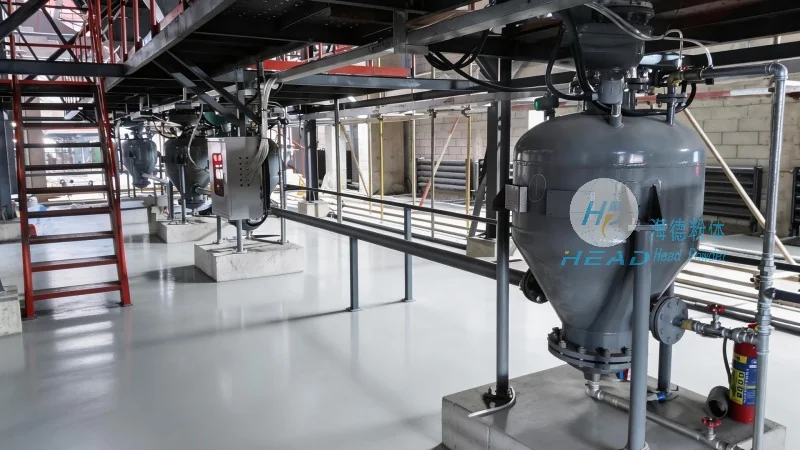
HeadPowder's pneumatic conveying solutions are designed to meet the specific needs of desulfurization and dust removal processes. The company's engineers work closely with clients to assess their material characteristics, such as particle size, moisture content, and abrasiveness, to select the most appropriate conveying system. For example, for fine ash particles, a positive pressure system may be recommended, while for larger, bulkier materials, a negative pressure system might be more suitable. The company also considers factors like the distance of transport, the required flow rate, and the environmental regulations of the facility to tailor the system design. This customized approach ensures that the final solution is optimized for performance, reliability, and cost-effectiveness.
Another key advantage of pneumatic conveying is its ability to integrate with existing infrastructure. Many industrial facilities already have pipelines or ductwork in place, which can be adapted for the conveying system. This reduces the need for extensive construction or modification, minimizing project costs and time. Additionally, the system can be easily expanded or modified as the facility's needs change, providing long-term flexibility. HeadPowder's expertise in system integration ensures that the pneumatic conveying solution seamlessly fits into the existing operational framework, minimizing disruptions during installation and operation.
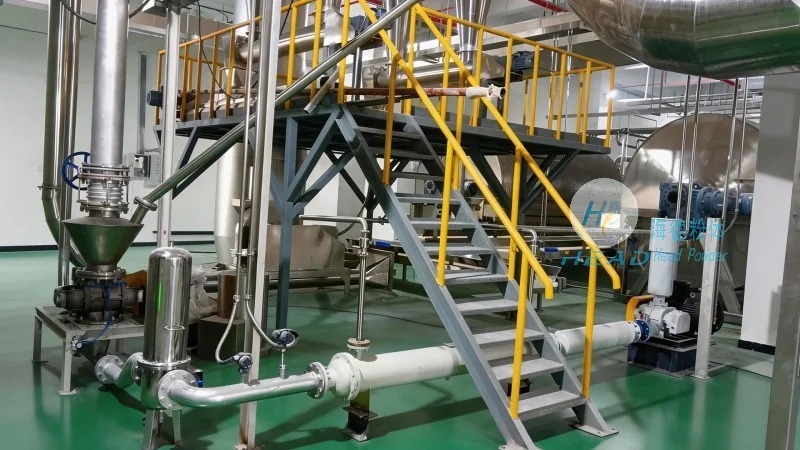
From a practical standpoint, the implementation of a pneumatic conveying system for desulfurization and dust removal ash involves several key steps. First, the material is collected in a hopper, where it is stored before being fed into the conveying line. The feeder then controls the flow rate of the material, ensuring a consistent and controlled transport. The conveying line transports the material through the pipeline, with the air or gas providing the necessary force to move the material. At the receiving end, the material is deposited into a storage or processing facility, while the air is filtered and recycled back into the system. This closed-loop system minimizes waste and ensures efficient material utilization.
HeadPowder's commitment to quality and customer satisfaction is evident in the performance of their pneumatic conveying systems. The company uses high-quality materials and components, such as stainless steel for the conveying line and advanced filtration systems, to ensure durability and reliability. Regular maintenance and technical support are also provided to clients, ensuring that the system operates at peak performance throughout its lifecycle. This comprehensive approach to system support helps clients maximize the benefits of pneumatic conveying, including increased efficiency, reduced costs, and improved environmental performance.
In conclusion, pneumatic conveying technology represents a significant advancement in the efficient and clean transport of desulfurization and dust removal ash. By leveraging the principles of air or gas transport, these systems offer a reliable, low-maintenance solution that enhances operational efficiency and environmental compliance. HeadPowder, with its expertise in specialized engineering, provides tailored pneumatic conveying solutions that meet the unique needs of industrial facilities. By choosing pneumatic conveying, facilities can achieve improved productivity, reduced costs, and a cleaner, more sustainable operation, aligning with the evolving demands of modern industrial practices.

 Shandong Headpowder Engineering Co., Ltd.
 156-6277-7102(Manager Zhang)
  0531-83386006
  Zhangqiu District, Jinan City, Shandong Province, China
telephone
WeChatconsult
top