

Efficient and Clean Plastic Pellet Handling: A Detailed Explanation of Pneumatic Conveying Technolog
For industries dealing with plastic pellets, efficient and clean material handling is crucial. Pneumatic conveying technology offers a superior solution that not only boosts productivity but also maintains a hygienic environment. This article delves into the principles, benefits, and practical applications of pneumatic conveying systems, focusing on how they revolutionize the way plastic pellets are transported.
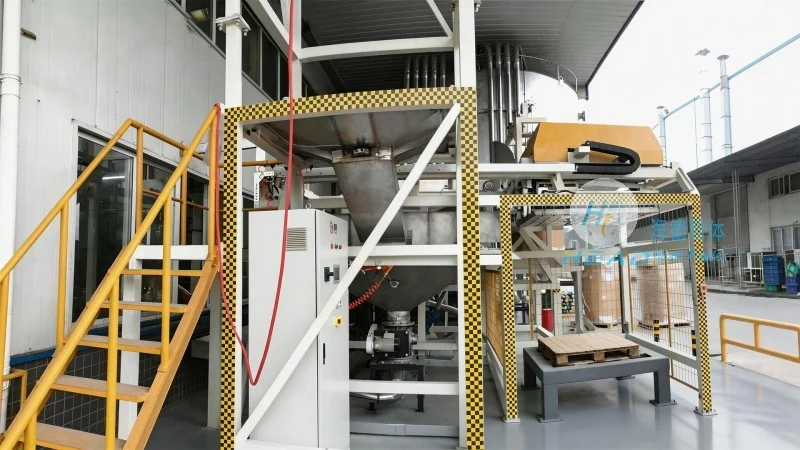
The Core Principles of Pneumatic Conveying
Pneumatic conveying systems operate by using air or gas to move bulk materials through a pipeline. In the context of plastic pellets, these systems can be categorized into two main types: pressure and vacuum systems. Pressure systems use compressed air to push material forward, while vacuum systems create a negative pressure to draw material into the pipeline. Both methods are designed to handle plastic pellets with minimal friction and contamination, ensuring the material remains intact and free from dust or debris.
Key Benefits of Pneumatic Conveying for Plastic Pellets
Implementing pneumatic conveying for plastic pellet handling brings several advantages. Firstly, it significantly reduces the need for manual labor, as automated systems can transport materials over long distances without human intervention. Secondly, the technology minimizes product degradation, as the enclosed pipeline prevents exposure to air, moisture, or other contaminants that could affect the quality of the plastic pellets. Additionally, pneumatic conveying systems are highly flexible, allowing for changes in material flow rates and direction without major modifications to the infrastructure. This adaptability makes them suitable for various production scales, from small-scale operations to large industrial facilities.
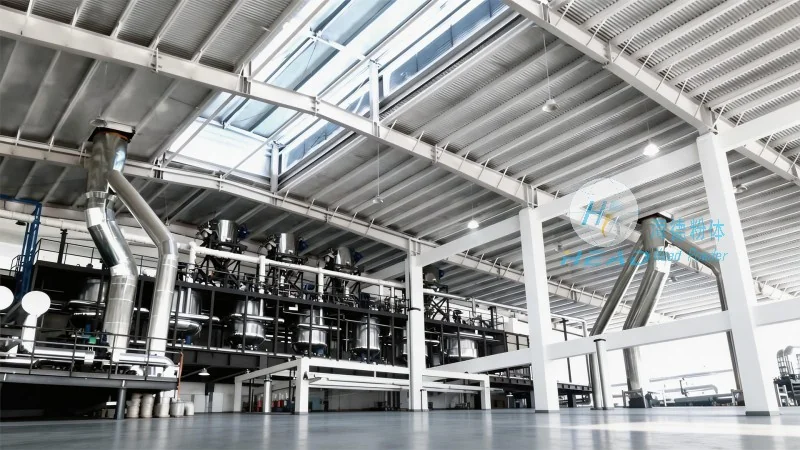
How Pneumatic Conveying Improves Cleanliness and Hygiene
One of the most significant benefits of pneumatic conveying is its ability to maintain a clean and hygienic environment. Unlike traditional methods such as belt conveyors or bucket elevators, which can generate dust and require frequent cleaning, pneumatic systems keep the material contained within the pipeline. This containment reduces the risk of cross-contamination and makes it easier to maintain compliance with industry standards, particularly in sectors like food packaging or medical device manufacturing where cleanliness is paramount. The enclosed design also helps prevent the accumulation of dust, which can be a fire hazard in some applications.
Applications in Plastic Manufacturing and Processing
Pneumatic conveying is widely used in various stages of plastic manufacturing and processing. From raw material intake to storage and packaging, these systems play a critical role in ensuring smooth operations. For example, in the initial stages, plastic pellets are often delivered from suppliers to the production facility via pneumatic conveyors, reducing the time and effort required for manual loading. During the manufacturing process, pneumatic systems can transport pellets from storage silos to processing machines, such as extruders or injection molding equipment, with precision and efficiency. In the final stages, they can move finished products or waste materials to storage or disposal areas, completing the entire material flow cycle.
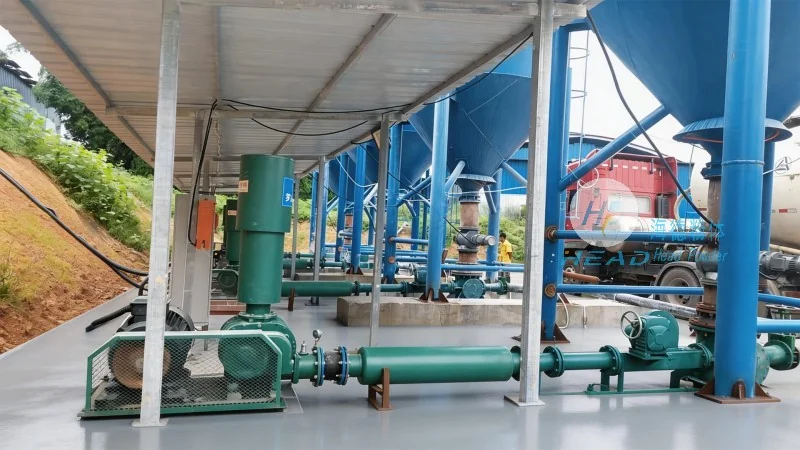
Choosing the Right Pneumatic Conveying System for Plastic Pellets
When selecting a pneumatic conveying system for plastic pellet handling, several factors must be considered. The first is the material characteristics, including the size, shape, and density of the pellets, as well as any potential moisture content. These factors determine the appropriate type of system (e.g., pressure vs. vacuum) and the necessary equipment, such as cyclones or filters, to prevent material buildup or blockages. The second factor is the distance and layout of the conveying path, as different systems are better suited for short or long distances. For instance, pressure systems are ideal for short to medium distances, while vacuum systems are more effective for longer runs or when multiple pickup points are required. The third consideration is the desired flow rate and capacity, as the system must be able to handle the required volume of plastic pellets without causing excessive pressure drops or energy consumption.
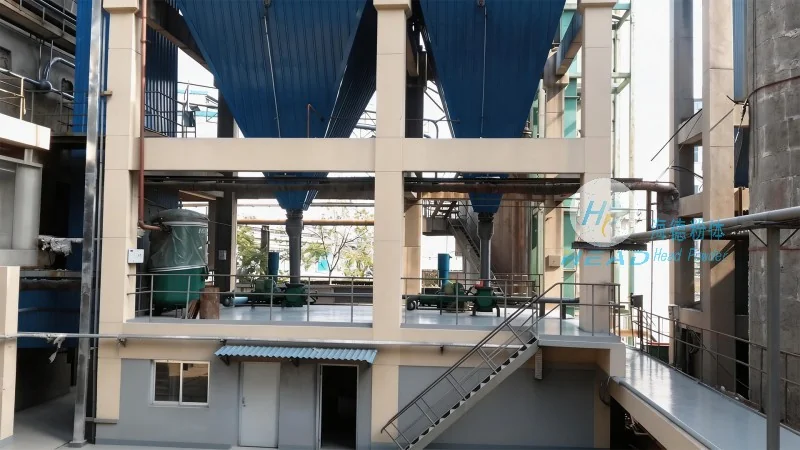
Case Study: HeadPowder's Pneumatic Conveying Solutions
Shandong HeadPowder Engineering Co., Ltd., a leading provider of material handling solutions, specializes in designing and manufacturing pneumatic conveying systems tailored to the needs of plastic pellet industries. With years of experience in the field, HeadPowder has developed customized solutions that enhance efficiency and cleanliness for its clients. For instance, a client in the plastic extrusion industry implemented a pressure pneumatic conveying system to transport plastic pellets from storage silos to the extruder. The system reduced the time required for material transfer from 30 minutes to just 5 minutes, while maintaining the quality of the pellets. Additionally, the enclosed design of the system minimized dust generation, improving the overall hygiene of the production environment. This case study highlights the effectiveness of pneumatic conveying in improving operational efficiency and maintaining product quality.
Conclusion: The Future of Plastic Pellet Handling with Pneumatic Conveying
Pneumatic conveying technology continues to be a vital component in the plastic manufacturing industry, offering a clean, efficient, and reliable solution for handling plastic pellets. As industries strive to improve productivity and maintain high standards of hygiene, the adoption of pneumatic conveying systems is expected to grow. By leveraging the expertise of companies like Shandong HeadPowder Engineering Co., Ltd., manufacturers can optimize their material handling processes, reduce costs, and enhance overall operational performance. The future of plastic pellet handling lies in the continued development and implementation of advanced pneumatic conveying systems that meet the evolving needs of the industry.