With more than 10‑year industry experience, Shandong Headpowder delivers full‑service pneumatic‑conveying systems and blowers, undertaking nationwide turn‑key powder‑handling projects.
When it comes to handling bread flour, efficiency and cleanliness are paramount for food processing operations. Traditional methods often struggle with maintaining hygiene standards while ensuring smooth material flow. This is where air-pneumatic conveying technology steps in as a superior solution, offering a clean, efficient, and reliable way to transport bread flour from one point to another in industrial settings.
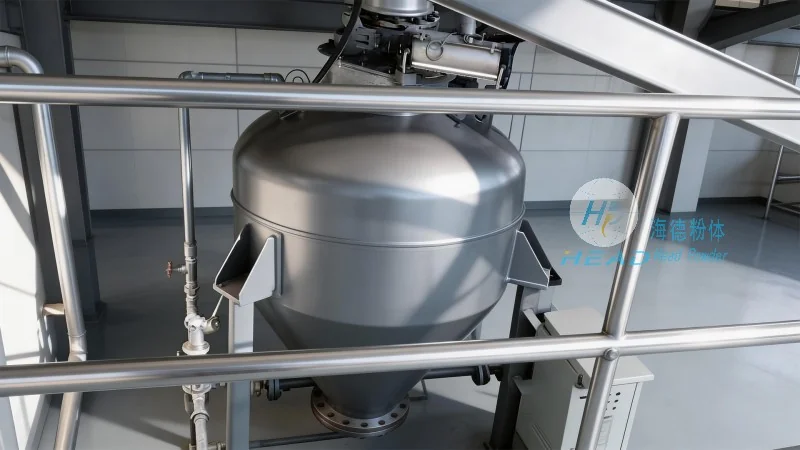
At its core, air-pneumatic conveying uses compressed air to move dry bulk materials like bread flour through a system of pipes and ducts. Unlike mechanical systems that rely on belts or augers, this method eliminates direct contact between the flour and machinery, reducing the risk of contamination and ensuring a hygienic environment. The process involves creating a pressure differential that propels the flour through the system, making it ideal for applications where cleanliness is non-negotiable, such as in bakeries, flour mills, and food processing plants.
For companies dealing with bread flour, air-pneumatic conveying offers several advantages that enhance operational performance. First, it significantly improves handling efficiency by reducing downtime caused by material blockages or system failures. The smooth, continuous flow of flour minimizes the need for manual intervention, allowing for automated processes that increase productivity. Second, the technology ensures superior cleanliness, as there are no moving parts that can trap flour or introduce contaminants. This is critical in food processing, where regulatory compliance and product safety are top priorities. Third, air-pneumatic systems are versatile and can handle various flour types and particle sizes, making them adaptable to different production needs. Additionally, they require less maintenance compared to mechanical systems, as there are fewer components that wear out over time.
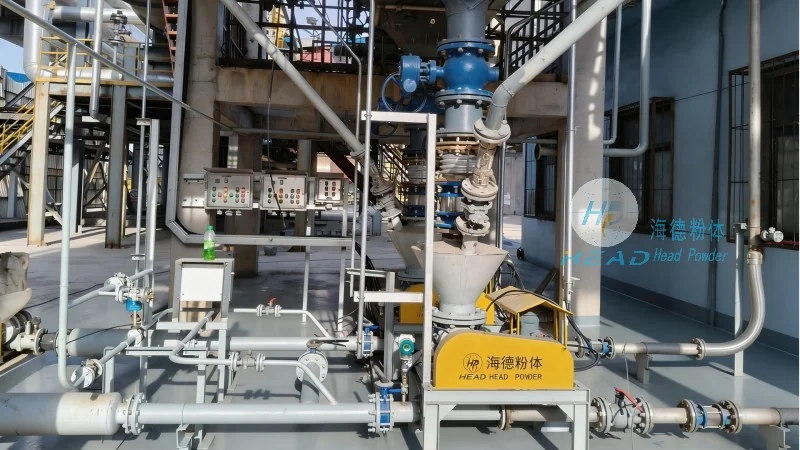
The operation of an air-pneumatic conveying system for bread flour involves several key components. A hopper or storage bin holds the flour, which is then fed into a conveyor line via a feeder. Compressed air is introduced into the system, creating a pressure that lifts the flour particles and propels them through the pipes. The system typically includes a series of bends, filters, and silos to ensure the flour is transported smoothly and without loss. The air is then filtered and recycled, making the process energy-efficient and environmentally friendly. This closed-loop system not only maintains hygiene but also reduces dust emissions, contributing to a safer working environment.
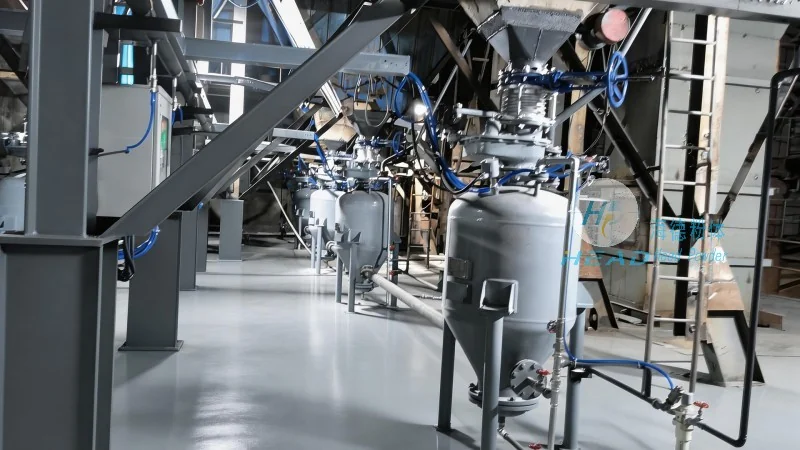
When selecting an air-pneumatic conveying system for bread flour, several factors must be considered to ensure optimal performance. The first is the capacity required, as different systems are designed to handle varying volumes of flour. The second is the distance the flour needs to be transported, as longer distances may require more powerful compressors or additional booster units. The third is the particle size and density of the flour, as these characteristics affect the air flow and system design. It is also important to consider the system's integration with existing equipment, ensuring compatibility and ease of installation. Consulting with experts in the field, such as Shandong HeadPowder Engineering Co., Ltd., can help in selecting the most suitable system tailored to specific operational requirements.
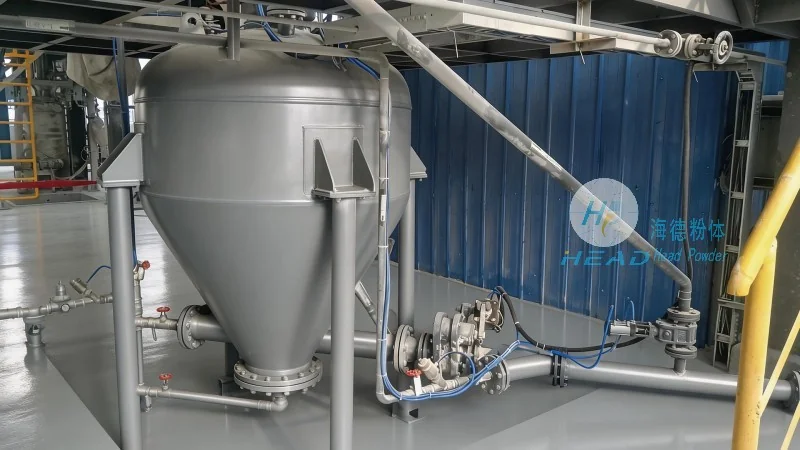
Consider a mid-sized bakery that previously relied on mechanical conveyor belts to transport bread flour from storage to the mixing area. The bakery faced frequent blockages, leading to production delays and increased labor costs for manual cleaning. After installing an air-pneumatic conveying system from Shandong HeadPowder Engineering Co., Ltd., the bakery experienced a significant improvement in efficiency. The system eliminated blockages, reduced downtime by 40%, and maintained a hygienic environment, meeting all regulatory standards. The bakery also noted a reduction in dust emissions, improving air quality in the facility. This case study highlights the tangible benefits of air-pneumatic conveying in real-world applications, demonstrating its effectiveness in enhancing operational performance and maintaining product quality.
As the food industry continues to prioritize efficiency and cleanliness, air-pneumatic conveying technology remains a leading solution for bread flour handling. By leveraging compressed air to transport flour in a hygienic and efficient manner, this technology addresses the challenges faced by traditional methods while meeting the demands of modern food processing. Companies like Shandong HeadPowder Engineering Co., Ltd. specialize in designing and implementing customized air-pneumatic systems that cater to the unique needs of each operation, ensuring optimal performance and compliance with industry standards. For businesses looking to enhance their bread flour handling processes, investing in air-pneumatic conveying is a strategic move that delivers long-term benefits in productivity, cleanliness, and operational reliability.

 Shandong Headpowder Engineering Co., Ltd.
 156-6277-7102(Manager Zhang)
  0531-83386006
  Zhangqiu District, Jinan City, Shandong Province, China
telephone
WeChatconsult
top