With more than 10‑year industry experience, Shandong Headpowder delivers full‑service pneumatic‑conveying systems and blowers, undertaking nationwide turn‑key powder‑handling projects.
Bioenzyme pneumatic conveying is a specialized technology used in the handling and transportation of bioenzymes, which are crucial in various industrial processes such as pharmaceuticals, food processing, and biotechnology. This method leverages the principles of pneumatic transport to efficiently move bioenzyme powders or granules through a system of pipes using air or other gases. Understanding the underlying mechanisms, different classification types, and real-world applications is essential for industries seeking to optimize their material handling operations.
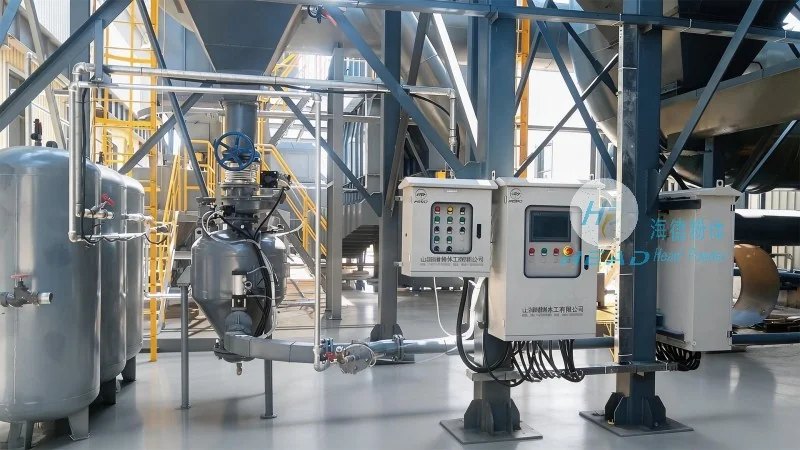
The core principle of bioenzyme pneumatic conveying involves the use of a conveying system where the bioenzyme material is suspended and transported by a moving gas stream. Typically, the process starts with the bioenzyme being fed into a hopper or feeder, which then releases the material into a pipeline. A fan or blower generates the necessary air pressure to create a flow that carries the bioenzyme particles through the system. The air velocity and pressure are carefully controlled to ensure the material is fully suspended without causing degradation or agglomeration of the bioenzyme. This method is particularly advantageous for delicate bioenzyme products as it minimizes mechanical stress and maintains product integrity during transport.
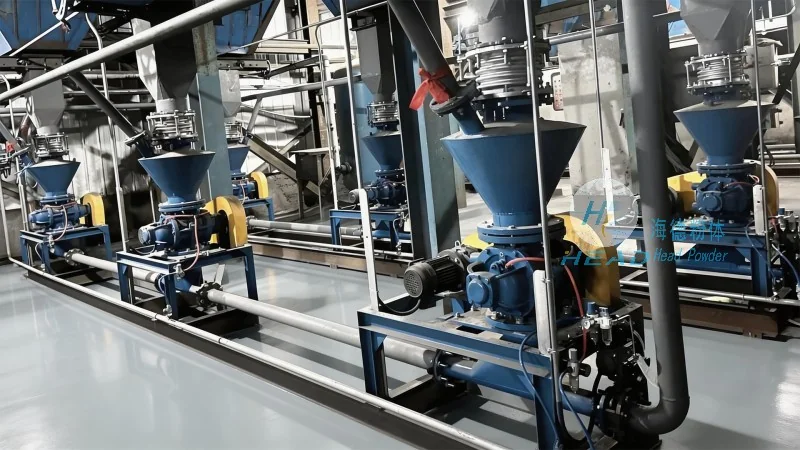
The bioenzyme pneumatic conveying system consists of several critical components that work in tandem to ensure efficient operation. These include the material feed system (hopper, feeder), the conveying pipeline (usually made of stainless steel or other corrosion-resistant materials to prevent contamination), the air supply unit (fan or blower), and the control system (regulating air pressure and flow). The design of the system is tailored to the specific characteristics of the bioenzyme, such as particle size, moisture content, and sensitivity to temperature or pressure changes. For instance, systems handling highly sensitive bioenzymes may incorporate additional features like temperature control or gentle air flow to preserve the enzyme's activity. The choice of pipeline material is also crucial; stainless steel is commonly used due to its hygienic properties and resistance to chemical reactions that could affect the bioenzyme's efficacy.
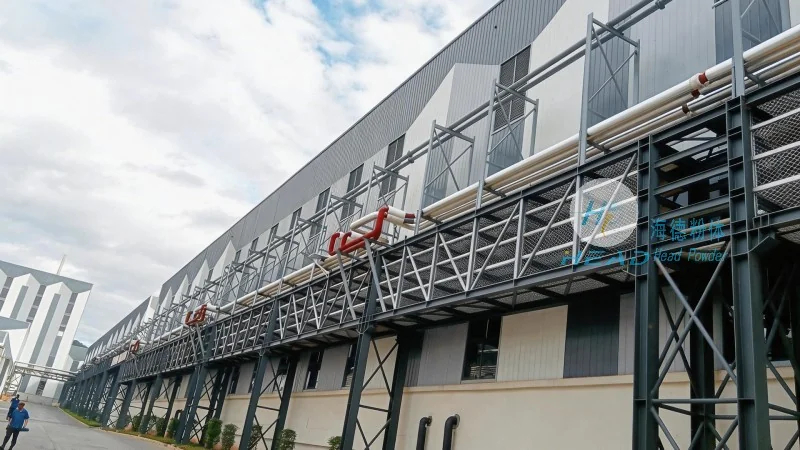
Bioenzyme pneumatic conveying systems can be broadly classified into two main categories based on the direction of the air flow and the method of material transport: dilute-phase and dense-phase systems. Dilute-phase systems operate at higher air velocities, typically 20-30 meters per second, and are suitable for transporting fine powders with low bulk density. In this system, the bioenzyme particles are fully suspended in the air stream, allowing for high throughput and relatively low pressure drops. Dense-phase systems, on the other hand, use lower air velocities (around 5-10 meters per second) and higher air volumes, resulting in a more compact mixture of air and bioenzyme particles. This method is ideal for handling bulkier materials or those that are prone to caking, as it reduces the risk of blockages and ensures a more controlled and gentle transport. Additionally, there are pressure and vacuum systems, which differ in the direction of air flow and the pressure applied. Pressure systems use positive pressure to push the bioenzyme through the pipeline, while vacuum systems use negative pressure to pull the material. The selection of the system type depends on factors such as the distance to be covered, the material's properties, and the required flow rate.
Bioenzyme pneumatic conveying finds extensive applications across various industries due to its ability to handle sensitive materials efficiently. In the pharmaceutical industry, it is used to transport active pharmaceutical ingredients (APIs) and excipients, ensuring that the bioenzyme remains stable and free from contamination. The food processing sector utilizes this technology for handling enzymes used in cheese production, baking, and other food manufacturing processes, where maintaining product quality is paramount. Biotechnology companies also rely on bioenzyme pneumatic conveying for the transport of enzymes used in fermentation processes, where precise control over the material's condition is critical for optimal production yields. Furthermore, in the chemical industry, it is employed for the handling of enzymes used in biocatalysis, where the system's ability to minimize product degradation is essential. Each application requires a customized system design to meet specific operational requirements, such as maintaining sterile conditions or controlling temperature to preserve enzyme activity.
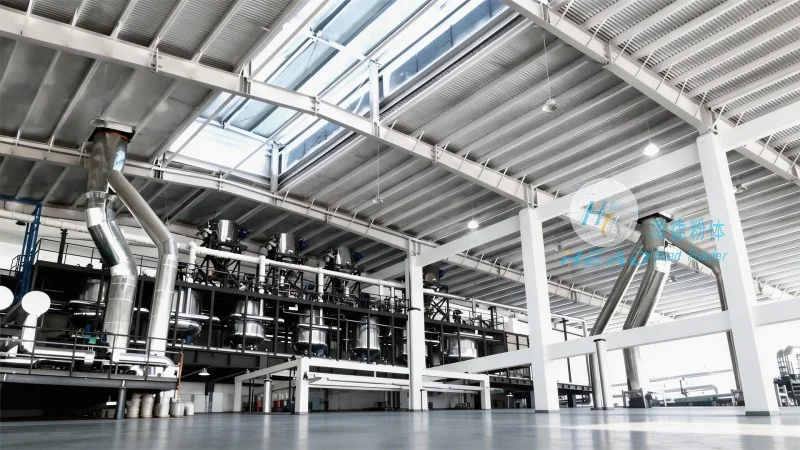
Implementing bioenzyme pneumatic conveying offers several advantages over traditional material handling methods. One of the primary benefits is the ability to handle delicate bioenzyme products without causing degradation or loss of activity. The system's enclosed design prevents contamination from external sources, which is critical in industries like pharmaceuticals and food processing. Additionally, it allows for precise control over the flow rate and pressure, enabling efficient and consistent transport. However, there are also considerations to keep in mind. The initial investment for a bioenzyme pneumatic conveying system can be higher compared to other methods, and maintenance costs may be higher due to the need for specialized components. Furthermore, the system's efficiency depends on the proper selection of air velocity and pressure, which requires careful calibration to avoid issues like clogging or excessive energy consumption. Proper training for operators and regular maintenance are essential to ensure the system operates optimally and maintains product quality.

 Shandong Headpowder Engineering Co., Ltd.
 156-6277-7102(Manager Zhang)
  0531-83386006
  Zhangqiu District, Jinan City, Shandong Province, China
telephone
WeChatconsult
top