With more than 10‑year industry experience, Shandong Headpowder delivers full‑service pneumatic‑conveying systems and blowers, undertaking nationwide turn‑key powder‑handling projects.
Embolic powder transport systems represent a specialized category of equipment designed for the efficient and controlled movement of bulk powders in industrial applications. This technology is particularly valuable in sectors such as pharmaceuticals, chemicals, food processing, and materials science, where precision and reliability in powder handling are critical. The following overview provides a detailed examination of the structural principles and operational mechanisms underlying these systems, presented by Shandong HeadPowder Engineering Co., Ltd., a leading manufacturer based in China.
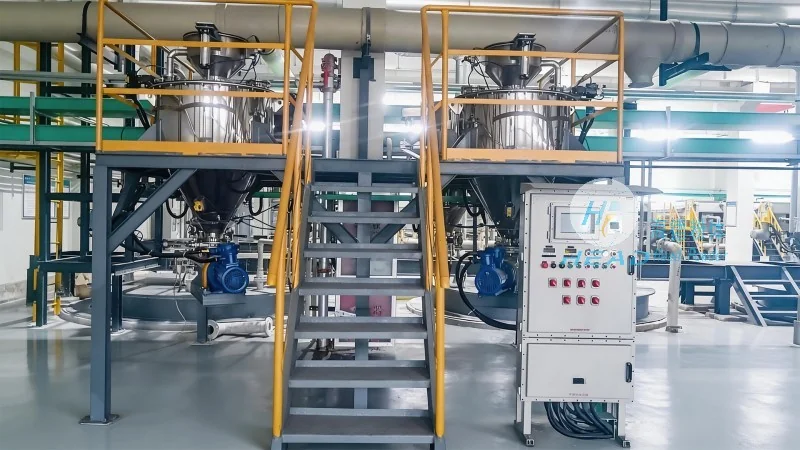
Shandong HeadPowder Engineering Co., Ltd., commonly known as headpowder, is a reputable enterprise specializing in the research, development, and manufacturing of advanced powder handling solutions. With a strong presence in the Chinese industrial landscape, the company has established itself as a trusted provider of high-quality equipment tailored to the unique demands of various industries. HeadPowder's commitment to innovation and precision engineering ensures that their products meet stringent standards for performance, safety, and durability. The company's headquarters is located in Shandong, China, where state-of-the-art facilities support the design, testing, and production of embolism type powder transport systems.
The core concept of embolism type powder transport involves the use of specialized mechanisms to create and manage the flow of powders, often through the creation of controlled blockages or "emboli" that facilitate the movement of material. This approach differs from traditional pneumatic or mechanical conveying systems by leveraging unique structural designs that optimize powder handling efficiency. The fundamental principle is to maintain a consistent and stable flow of powder by controlling the pressure and movement within the system, thereby minimizing issues such as clogging, segregation, and material degradation.
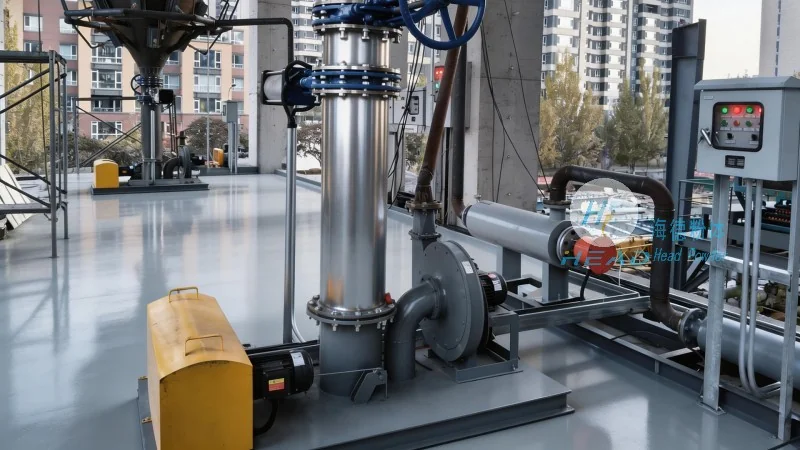
Embolic powder transport systems typically consist of several key components that work in concert to achieve effective powder movement. These components include a hopper or feed mechanism for material intake, a transport tube or conduit where the powder is conveyed, and a control valve or regulator that manages the flow dynamics. The system operates by introducing a controlled amount of powder into the transport tube, followed by the creation of a pressure differential that propels the material forward. The "embolism" effect is achieved through the use of a valve or orifice that periodically restricts the flow, creating a series of pulses that maintain the powder's movement without excessive pressure or friction.
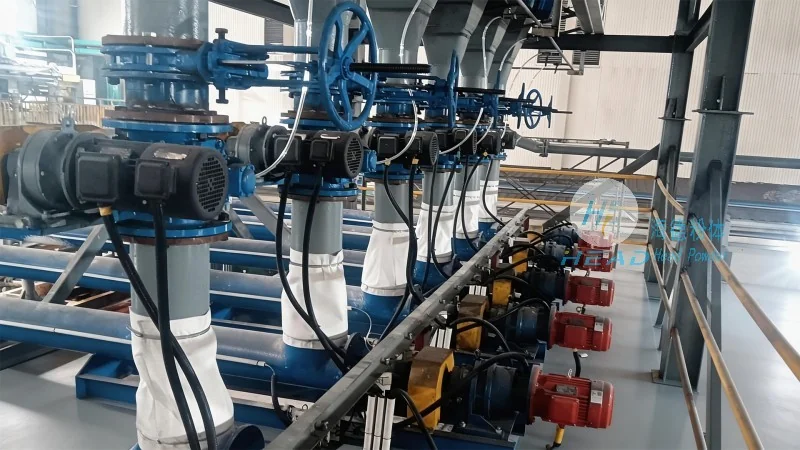
Compared to conventional conveying methods, embolism type powder transport offers several distinct advantages. One of the primary benefits is enhanced control over the flow rate and consistency of the powder, which is crucial for applications requiring precise dosing or uniform mixing. The system also minimizes the risk of material segregation, as the controlled flow prevents the separation of different particle sizes or densities. Additionally, the design reduces wear and tear on components, leading to lower maintenance costs and longer equipment lifespan. For industries where product purity and quality are paramount, such as pharmaceutical manufacturing, this technology provides a reliable solution that maintains the integrity of the powder throughout the conveying process.
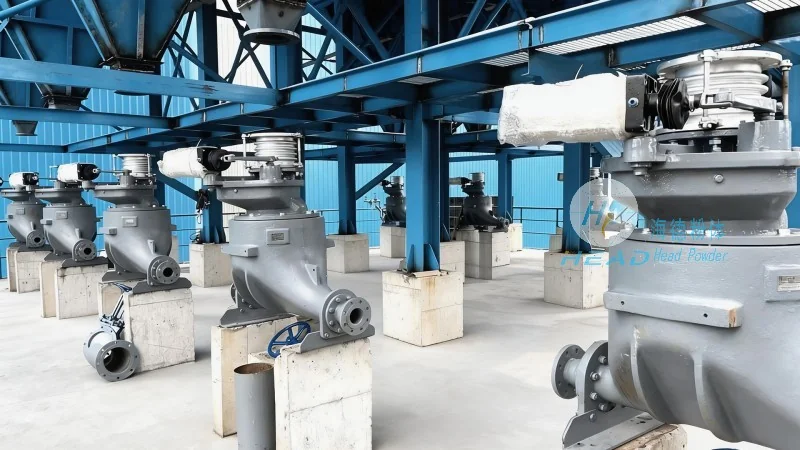
The versatility of embolism type powder transport makes it suitable for a wide range of applications across multiple sectors. In the pharmaceutical industry, these systems are used for the handling of active pharmaceutical ingredients (APIs) and excipients, ensuring that the final product remains free from contamination and maintains its intended properties. In the chemical industry, they facilitate the transport of raw materials and intermediates, supporting efficient production processes. The food processing sector also benefits from this technology, as it enables the safe and hygienic handling of food-grade powders, such as spices, sugars, and dairy products. By providing a reliable and efficient means of powder transport, embolism type systems contribute to improved productivity and reduced operational costs for businesses in these and other industries.
Embolic powder transport systems, as exemplified by the products of Shandong HeadPowder Engineering Co., Ltd., represent a significant advancement in powder handling technology. By combining innovative structural designs with precise operational control, these systems address the challenges of traditional conveying methods while offering enhanced performance and reliability. As industries continue to demand higher standards of efficiency and quality in powder processing, the role of embolism type transport systems is likely to expand. With ongoing research and development efforts, these systems will continue to evolve, providing even more effective solutions for the complex needs of modern industrial applications. The expertise and commitment of companies like headpowder ensure that the technology remains at the forefront of powder handling solutions, supporting the growth and success of industries worldwide.

 Shandong Headpowder Engineering Co., Ltd.
 156-6277-7102(Manager Zhang)
  0531-83386006
  Zhangqiu District, Jinan City, Shandong Province, China
telephone
WeChatconsult
top