With more than 10‑year industry experience, Shandong Headpowder delivers full‑service pneumatic‑conveying systems and blowers, undertaking nationwide turn‑key powder‑handling projects.
This document provides an overview of the equipment used in mixed positive and negative pressure pneumatic conveying systems, along with an explanation of their structural principles. The information is presented by Shandong HeadPowder Engineering Co., Ltd., a company based in Shandong, China, specializing in engineering solutions for material handling and conveying technologies.
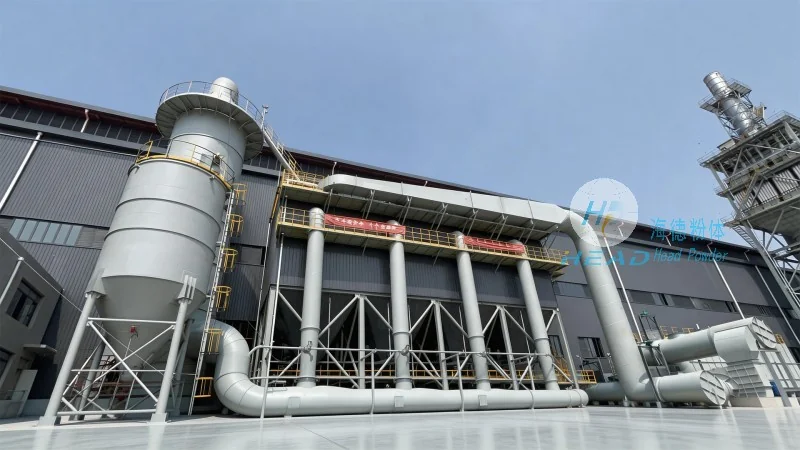
The mixed positive and negative pressure pneumatic conveying system is a sophisticated material handling solution that combines the advantages of both positive and negative pressure conveying methods. This hybrid approach allows for efficient transportation of bulk materials over long distances with minimal energy consumption and reduced wear on components. The system is designed to handle a wide range of materials, including powders, granules, and fine particles, making it suitable for various industrial applications such as food processing, pharmaceuticals, chemicals, and mining.
The mixed positive and negative pressure pneumatic conveying system consists of several critical components that work in tandem to achieve effective material transport. These components include:
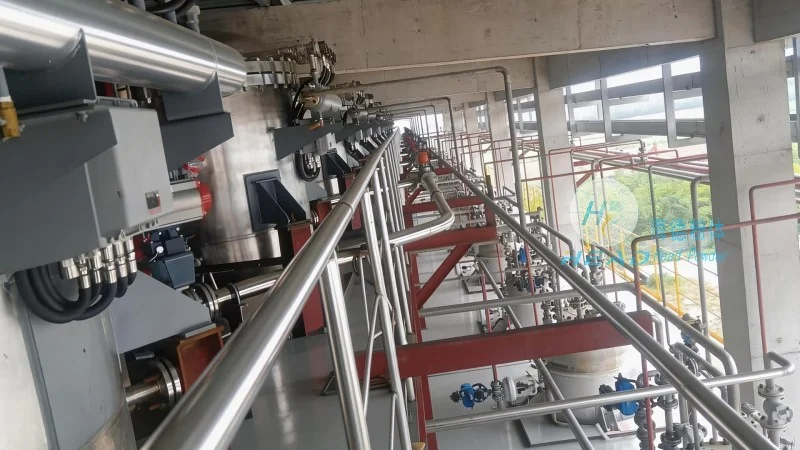
The mixed positive and negative pressure pneumatic conveying system operates based on the principles of fluid dynamics and material flow. The system uses a combination of positive and negative pressure zones to create a continuous flow of material through the conveying pipe. The positive pressure section generates a pressure higher than the ambient air pressure, while the negative pressure section creates a vacuum that pulls the material forward.
When the system is in operation, the feeder delivers the material into the positive pressure section. The compressed air then pushes the material through the conveying pipe, moving it towards the negative pressure section. The negative pressure section then draws the material forward, maintaining the flow until it reaches the destination point. The separation and cleaning system ensures that the material is efficiently separated from the air stream and that the system remains clean and free from blockages.
Compared to traditional positive or negative pressure systems, the mixed positive and negative pressure pneumatic conveying system offers several advantages. These include:
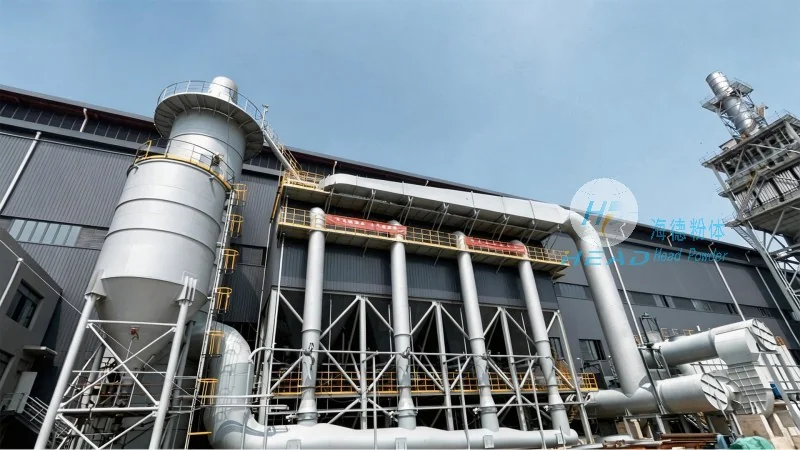
The mixed positive and negative pressure pneumatic conveying system is widely used in various industries due to its versatility and efficiency. Some of the common applications include:
Shandong HeadPowder Engineering Co., Ltd. specializes in the design, manufacturing, and installation of mixed positive and negative pressure pneumatic conveying systems. Our team of experienced engineers and technicians ensures that each system is tailored to meet the specific needs of our clients, providing reliable and efficient material handling solutions. By combining the best features of positive and negative pressure conveying methods, our systems offer superior performance and durability, making them the ideal choice for a wide range of industrial applications.

 Shandong Headpowder Engineering Co., Ltd.
 156-6277-7102(Manager Zhang)
  0531-83386006
  Zhangqiu District, Jinan City, Shandong Province, China
telephone
WeChatconsult
top