

Introduction to Positive and Negative Electrode Material Pneumatic Conveying Equipment: Structure an
HeadPowder, a leading manufacturer based in Shandong, China, specializes in the design and production of advanced pneumatic conveying systems tailored for handling positive and negative electrode materials used in lithium-ion batteries. This equipment is crucial for efficient material transport in battery manufacturing processes, ensuring high performance and reliability.
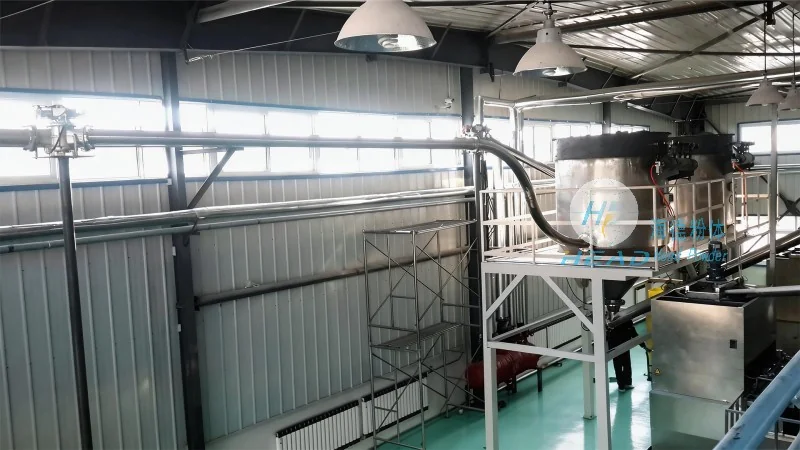
Key Components and Structure of the Pneumatic Conveying System
The pneumatic conveying equipment for electrode materials typically consists of several core components that work in tandem to achieve effective material transport. The main parts include the material hopper, which serves as the storage and feeding unit; the air compressor or blower, responsible for generating the necessary air pressure to move the material; the conveying pipeline, which transports the material from the hopper to the discharge point; and the control system, which regulates the flow and pressure to maintain optimal operation.
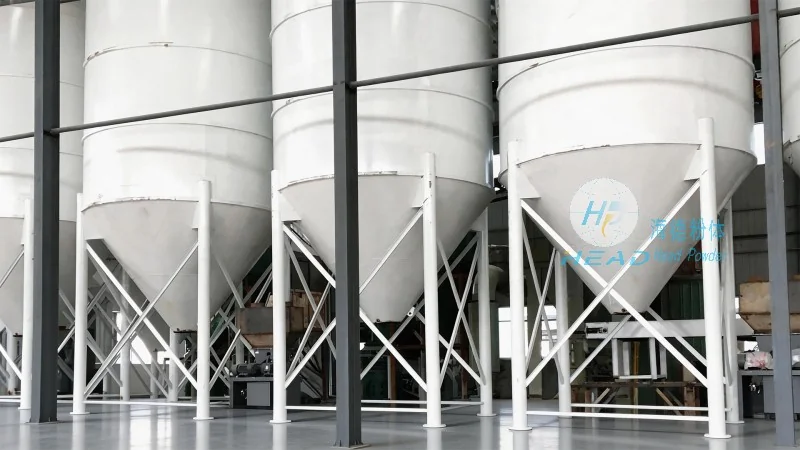
Working Principle of the Pneumatic Conveying Process
The operation of the pneumatic conveying system for electrode materials is based on the principle of air flow and pressure differential. When the air compressor starts, it generates a high-pressure air stream. The material is then introduced into the conveying pipeline, either by gravity or by a feeding mechanism, and is entrained by the air flow. The air and material mixture travels through the pipeline to the discharge point, where the material is separated from the air and collected. The system uses a combination of positive and negative pressure zones to control the flow and prevent material degradation or clogging.
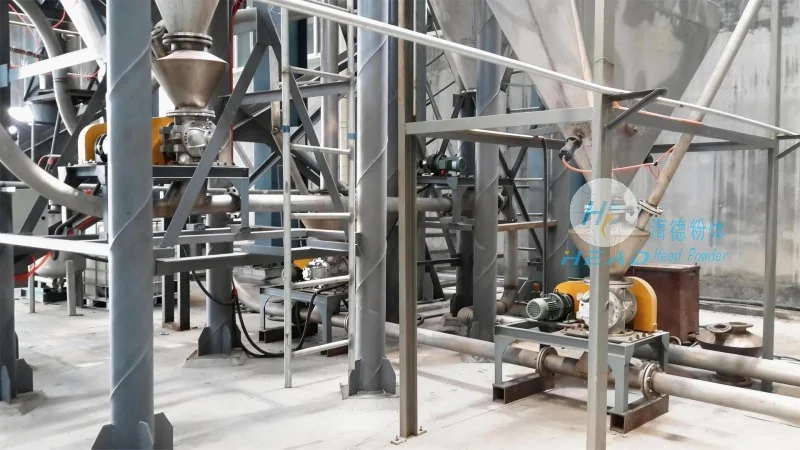
Advantages of Using Pneumatic Conveying for Electrode Materials
Compared to traditional mechanical conveying methods, pneumatic conveying offers several advantages for handling positive and negative electrode materials. These include the ability to transport materials in a closed system, which minimizes dust and contamination, ensuring product quality. The system also allows for flexible and adjustable flow rates, enabling precise control over material delivery. Additionally, pneumatic conveying can handle a wide range of material properties, including fine powders and granules, without causing damage or segregation. The closed system design enhances safety by preventing exposure to hazardous materials and reducing the risk of environmental contamination.
Application Scenarios in Battery Manufacturing
The pneumatic conveying equipment is widely used in various stages of battery production, particularly in the processing of positive and negative electrode materials. In the raw material preparation stage, it efficiently transports raw materials such as graphite, nickel, cobalt, and lithium compounds from storage to processing lines. During the mixing and coating processes, the system ensures uniform material distribution, which is critical for achieving consistent battery performance. In the final assembly stage, it transports the finished electrode sheets to the cell formation and packaging lines. The equipment's ability to handle high volumes and maintain material integrity makes it an essential component in modern battery manufacturing facilities.
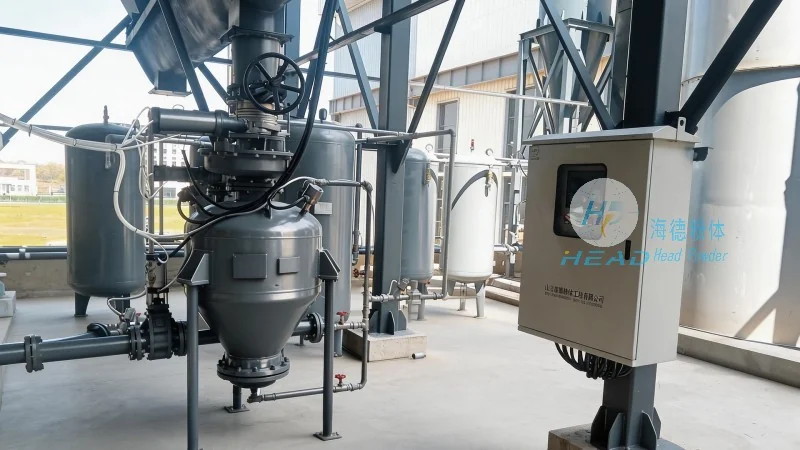
Technical Specifications and Customization Options
HeadPowder provides customized pneumatic conveying solutions tailored to the specific requirements of each battery manufacturing facility. The technical specifications of the equipment can be adjusted based on factors such as material type, particle size, flow rate, and system length. The company offers options for both positive and negative pressure conveying systems, allowing customers to choose the most suitable configuration for their application. Additionally, the equipment can be equipped with features such as material temperature control, moisture removal, and dust collection to further enhance performance and safety.