With more than 10‑year industry experience, Shandong Headpowder delivers full‑service pneumatic‑conveying systems and blowers, undertaking nationwide turn‑key powder‑handling projects.
Coating pneumatic conveying systems are essential equipment in the industrial sector, particularly for the efficient and safe transportation of powders and granules used in coating applications. These systems utilize air or gas as the medium to move materials from one location to another, offering advantages such as reduced contamination, improved process control, and enhanced safety compared to traditional mechanical conveying methods.
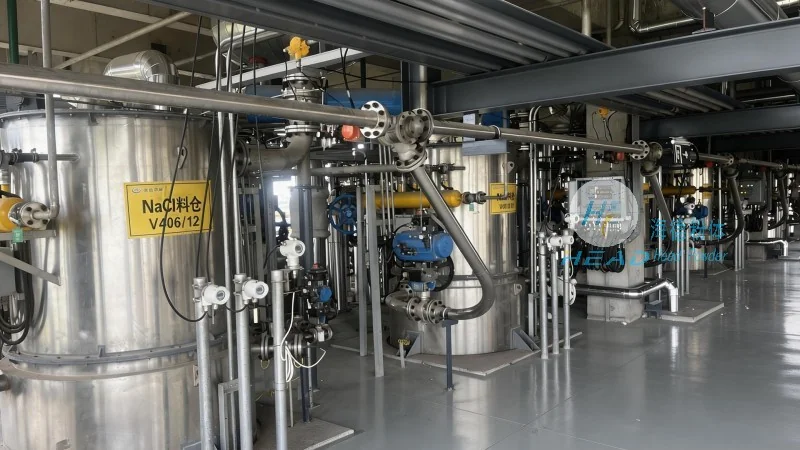
HeadPowder, a leading manufacturer based in Shandong, China, specializes in the design, manufacturing, and installation of advanced coating pneumatic conveying systems. The company's expertise lies in providing customized solutions tailored to the specific needs of clients in various industries, including paint manufacturing, pharmaceuticals, and food processing. By leveraging cutting-edge technology and robust engineering, HeadPowder ensures that its systems meet the highest standards of performance, reliability, and durability.
The structure of a typical coating pneumatic conveying system consists of several critical components that work in harmony to achieve efficient material transport. These components include the hopper or feed hopper, which stores and feeds the coating material; the conveyor line itself, which may be of the dilute phase or dense phase type depending on the application requirements; the air or gas source, such as a blower or compressor, which provides the necessary pressure and flow; and the control system, which regulates the operation of the entire system to maintain optimal performance.
Each component plays a vital role in the overall functionality of the system. The feed hopper is designed to handle the specific characteristics of the coating material, such as its bulk density and flowability, ensuring a consistent and controlled feed rate. The conveyor line, whether dilute phase (where particles are suspended in air) or dense phase (where particles are carried in a slurry of air and material), is selected based on the material's properties and the required conveying distance. The air source provides the necessary pressure to move the material through the system, while the control system monitors parameters like pressure, flow rate, and material level to prevent overloading or system failure.
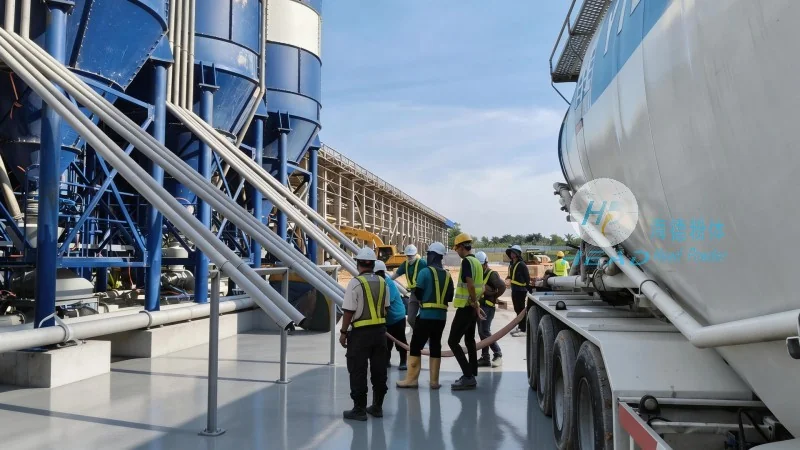
The working principle of a coating pneumatic conveying system revolves around the use of air or gas to create a flow that transports the material. In a dilute phase system, the material is suspended in the air stream and carried through the pipeline. The air velocity is typically high enough to keep the particles in suspension, preventing them from settling or clogging the system. In contrast, a dense phase system uses lower air velocities and higher material concentrations, resulting in a more stable and controlled flow that reduces the risk of material degradation or segregation.
The process begins with the material being fed from the hopper into the conveyor line. The air source then introduces air into the system, creating a pressure differential that propels the material forward. As the material travels through the pipeline, it may encounter various components such as bends, filters, or cyclones, which help to maintain the flow and prevent blockages. The material is then discharged at the destination point, where it can be further processed or stored.
Coating pneumatic conveying systems offer several advantages over traditional mechanical conveying methods. One of the primary benefits is the reduction of contamination, as the system is enclosed and isolated from the environment, preventing dust and particles from entering or leaving the process. This is particularly important in industries where product purity is critical, such as pharmaceuticals or food processing. Additionally, these systems provide improved process control, allowing operators to adjust parameters like flow rate and pressure in real-time to optimize performance and minimize waste.
Another key advantage is enhanced safety. Since the system is enclosed, there is no risk of dust explosions or material exposure to personnel. The use of air as the conveying medium also reduces the need for heavy machinery and manual handling, minimizing the risk of accidents and injuries. Furthermore, the systems are designed to be energy-efficient, with the ability to recycle air and reduce energy consumption over time.
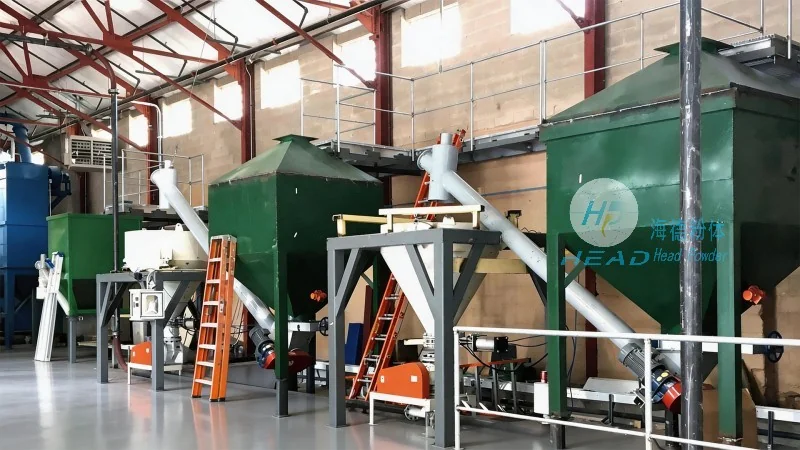
Coating pneumatic conveying systems are widely used in various applications within the coating industry. They are commonly employed in the production of paints, where they transport pigments, binders, and other raw materials from storage to the mixing and processing units. In the pharmaceutical industry, these systems are used to transport active ingredients and excipients, ensuring that the materials are handled in a sterile and controlled environment. Similarly, in the food industry, they are used to convey ingredients like spices, powders, and colorants, maintaining the quality and safety of the final products.
HeadPowder's coating pneumatic conveying systems are designed to meet the specific requirements of these applications, with features such as stainless steel construction, explosion-proof components, and advanced control systems. The company's commitment to quality and customer satisfaction has made it a trusted partner for many businesses in the coating industry, providing reliable and efficient solutions that enhance productivity and reduce operational costs.
In conclusion, coating pneumatic conveying systems are a vital component of modern industrial processes, offering efficient, safe, and reliable transportation of coating materials. HeadPowder, with its expertise and commitment to innovation, continues to provide high-quality solutions that meet the evolving needs of the industry. By understanding the structure and working principles of these systems, businesses can make informed decisions about their material handling processes, ultimately improving their overall operational efficiency and competitiveness.

 Shandong Headpowder Engineering Co., Ltd.
 156-6277-7102(Manager Zhang)
  0531-83386006
  Zhangqiu District, Jinan City, Shandong Province, China
telephone
WeChatconsult
top