With more than 10‑year industry experience, Shandong Headpowder delivers full‑service pneumatic‑conveying systems and blowers, undertaking nationwide turn‑key powder‑handling projects.
Soil pneumatic conveying systems represent a sophisticated method for transporting bulk materials, particularly soils and similar granular substances, through an enclosed pipeline using air pressure. This technology offers significant advantages over traditional mechanical conveyors, such as reduced maintenance, lower energy consumption, and the ability to handle materials that are difficult to transport via conventional means. The core of these systems lies in their ability to move material without direct contact with the conveying line, which minimizes wear and tear and ensures a cleaner, more efficient operation.
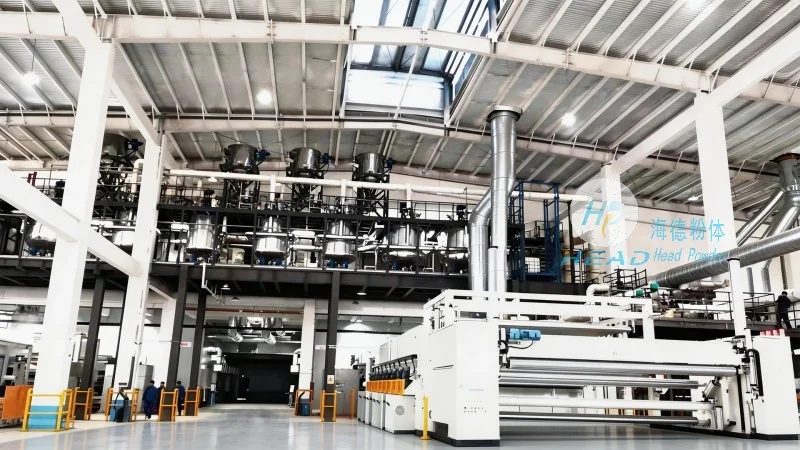
The soil pneumatic conveying system typically consists of several key components, each playing a crucial role in the overall operation. The primary elements include a material hopper or feeder, a blower or air compressor, a conveying pipeline, and a receiver or discharge hopper. The material hopper is responsible for storing and feeding the soil into the system, ensuring a consistent flow of material. The blower or air compressor generates the necessary air pressure to move the material through the pipeline. The conveying pipeline, often made of durable materials like stainless steel or high-density polyethylene, is designed to withstand the pressure and abrasive nature of the soil. The receiver or discharge hopper collects the material at the end of the pipeline, completing the transport process.
The operation of a soil pneumatic conveying system follows a systematic process. First, the soil is loaded into the material hopper. A feeder mechanism then regulates the flow of soil into the pipeline, ensuring a controlled rate of material introduction. The blower then starts, creating a high-pressure air stream within the pipeline. As the air flows, it draws the soil particles into the pipeline, forming a dense phase or dilute phase flow, depending on the system design and material characteristics. The air and soil mixture travels through the pipeline to the receiver, where the air is separated from the soil, typically using a cyclone or other separation device. The separated soil is collected in the discharge hopper, while the air is either vented to the atmosphere or recirculated back to the blower, depending on the system configuration.
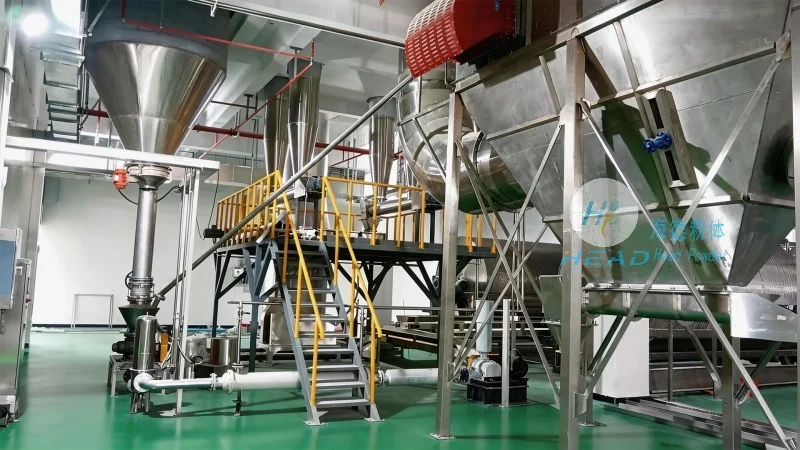
Soil pneumatic conveying systems offer numerous benefits that make them an attractive choice for various industrial applications. One of the most significant advantages is the ability to transport materials over long distances without the need for multiple transfer points or intermediate storage. This reduces the overall system complexity and cost. Additionally, the enclosed pipeline design prevents dust and other particles from escaping into the environment, enhancing safety and compliance with environmental regulations. The system also minimizes material degradation, as the soil is not subjected to the friction and impact associated with mechanical conveyors. Furthermore, the operation is relatively quiet compared to other conveying methods, making it suitable for applications where noise control is a concern.
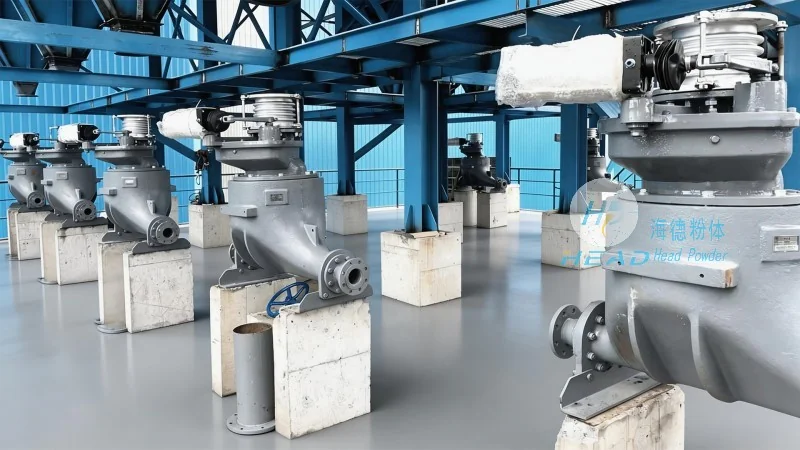
Soil pneumatic conveying systems are widely used in a variety of industries that require the transport of bulk materials. In the construction industry, these systems are commonly employed for transporting soil, sand, and gravel from excavation sites to processing facilities or disposal areas. The mining industry also utilizes soil pneumatic conveying for transporting ore and other minerals from mines to processing plants. Additionally, the agricultural sector may use these systems for moving soil, manure, or other agricultural products. The chemical and pharmaceutical industries also benefit from soil pneumatic conveying, as it allows for the safe and efficient transport of powders and granular materials without contamination.
When designing and installing a soil pneumatic conveying system, several factors must be carefully considered to ensure optimal performance and longevity. The first consideration is the material characteristics, including particle size, density, and moisture content, as these factors affect the system's capacity and efficiency. The system must be sized appropriately to handle the specific material being transported, ensuring that the air flow and pressure are sufficient to move the material without excessive energy consumption. The pipeline layout is another critical factor, as the length, diameter, and number of bends in the pipeline can impact the system's performance. Proper maintenance is also essential, as regular cleaning and inspection of the components can prevent blockages and ensure consistent operation. Finally, compliance with local regulations and safety standards is crucial, as soil pneumatic conveying systems involve high-pressure air and moving parts that require careful handling.

 Shandong Headpowder Engineering Co., Ltd.
 156-6277-7102(Manager Zhang)
  0531-83386006
  Zhangqiu District, Jinan City, Shandong Province, China
telephone
WeChatconsult
top