With more than 10‑year industry experience, Shandong Headpowder delivers full‑service pneumatic‑conveying systems and blowers, undertaking nationwide turn‑key powder‑handling projects.
Efficient and reliable material handling is a critical component in the cement production process, and pneumatic conveying systems for raw materials have emerged as a key technology to enhance operational performance. This article provides an overview of the cement raw material pneumatic conveying system, focusing on its structural design and operational principles, while highlighting the expertise of Shandong HeadPowder Engineering Co., Ltd. as a leading provider in this field.
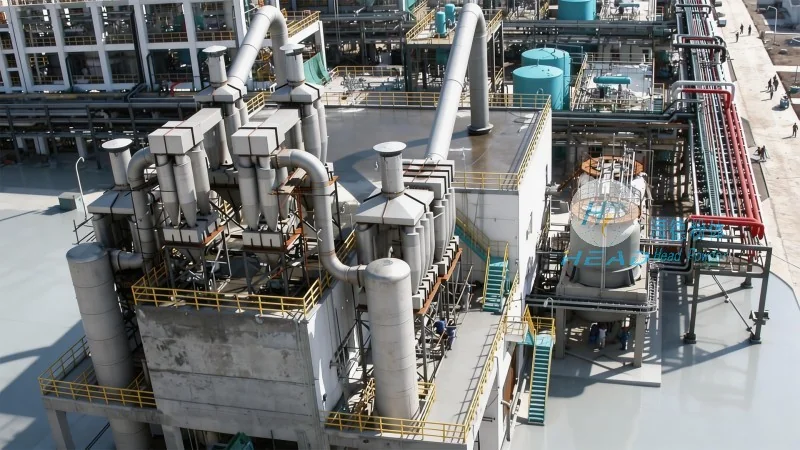
The cement raw material pneumatic conveying system is engineered to transport bulk materials such as limestone, clay, and iron ore from storage silos or quarries to the cement production line. This system utilizes air as the conveying medium, enabling the movement of materials through a network of pipes without the need for mechanical components like belts or buckets. The primary goal is to improve material flow efficiency, reduce downtime, and enhance overall plant productivity.
The cement raw material pneumatic conveying system consists of several essential components, each playing a vital role in the conveying process. These components include:
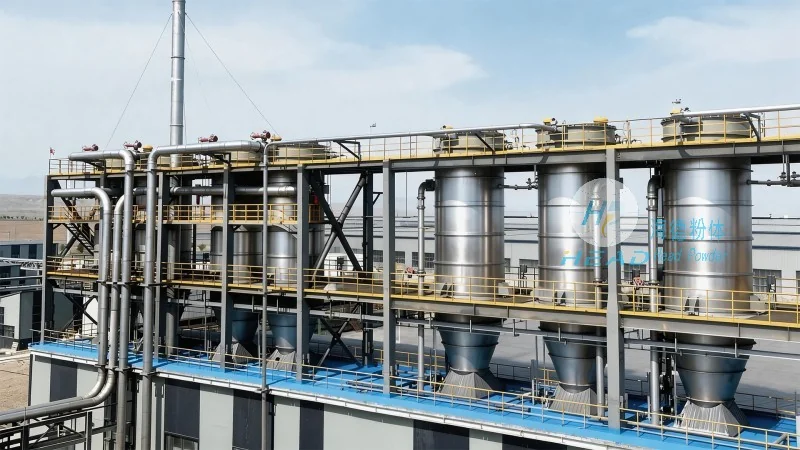
The operation of the cement raw material pneumatic conveying system follows a systematic process. Initially, raw materials are fed into the hopper from the storage silos. The air supply system then generates a high-pressure air stream, which is introduced into the conveying pipe. As the air flows through the pipe, it lifts and transports the raw material particles, creating a mixture of material and air. The mixture travels through the pipe network to the destination point, where the separation equipment separates the material from the air. The material is then collected in the designated storage or processing area, while the air is filtered and released back into the environment.
Implementing a pneumatic conveying system for cement raw materials offers several advantages over traditional mechanical conveying methods. These include:
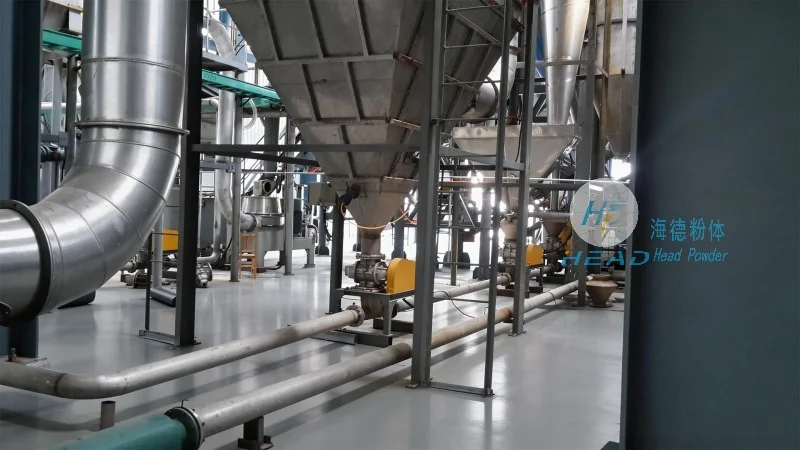
Shandong HeadPowder Engineering Co., Ltd., operating under the brand name headpowder, is a leading manufacturer and supplier of cement raw material pneumatic conveying systems. With years of experience and a commitment to innovation, the company specializes in designing and manufacturing high-quality, customized solutions tailored to the specific needs of cement plants. HeadPowder's expertise lies in integrating advanced technology with robust engineering to deliver systems that meet the highest standards of performance and reliability.
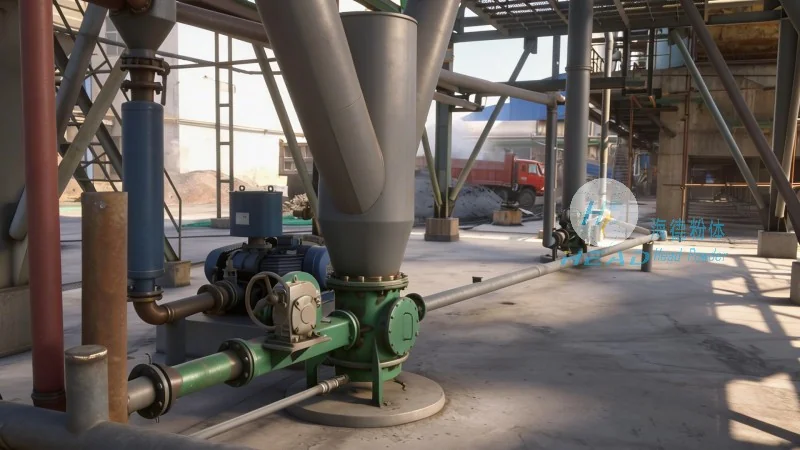
HeadPowder understands that each cement plant has unique requirements, and therefore, offers comprehensive customization options for its pneumatic conveying systems. The company works closely with clients to assess their operational needs, material characteristics, and plant layout, ensuring that the final system is optimized for maximum efficiency and minimal operational costs. The systems are designed to handle a wide range of raw materials, including limestone, clay, iron ore, and other bulk materials commonly used in cement production.
HeadPowder places a strong emphasis on quality assurance throughout the manufacturing process. All components are manufactured using high-quality materials and undergo rigorous testing to ensure compliance with industry standards. The company also provides comprehensive after-sales support, including installation, commissioning, and maintenance services. This ensures that clients receive reliable and long-lasting solutions that contribute to the smooth operation of their cement production facilities.

 Shandong Headpowder Engineering Co., Ltd.
 156-6277-7102(Manager Zhang)
  0531-83386006
  Zhangqiu District, Jinan City, Shandong Province, China
telephone
WeChatconsult
top