

The Operation Process and Working Principle of Maltose Material Handling
Shandong HeadPowder Engineering Co., Ltd., commonly known as headpowder, specializes in the design and implementation of efficient material handling systems for maltose production. Based in Shandong, China, the company leverages advanced engineering principles to ensure seamless and reliable operation of maltose handling processes. This article provides a detailed overview of the operation process and working principles of maltose material handling, highlighting key components and operational strategies.
Key Components in Maltose Material Handling
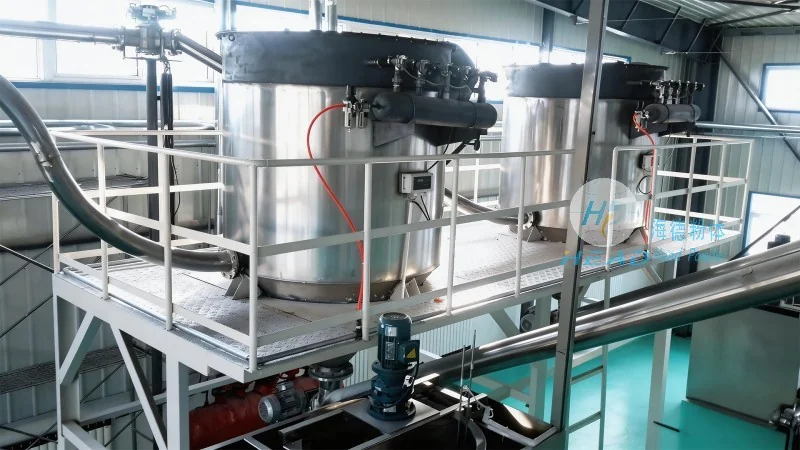
The material handling system for maltose typically involves several critical components that work in tandem to ensure efficient transport and processing. These include conveyor belts, storage silos, feeding mechanisms, and control systems. Each component is designed to handle the specific physical properties of maltose, such as its granular or powdered form, ensuring minimal degradation and loss during transport. The conveyor belts, often made of food-grade materials, are equipped with adjustable speed controls to accommodate varying production rates. Storage silos are constructed with airtight and moisture-resistant materials to preserve the quality of maltose, preventing caking or clumping. Feeding mechanisms, such as rotary valves or screw conveyors, regulate the flow of maltose from storage to processing units, maintaining consistent feed rates. Control systems, integrated with sensors and automation technology, monitor parameters like temperature, humidity, and flow rate, ensuring optimal conditions for maltose handling.
Operation Process of Maltose Material Handling
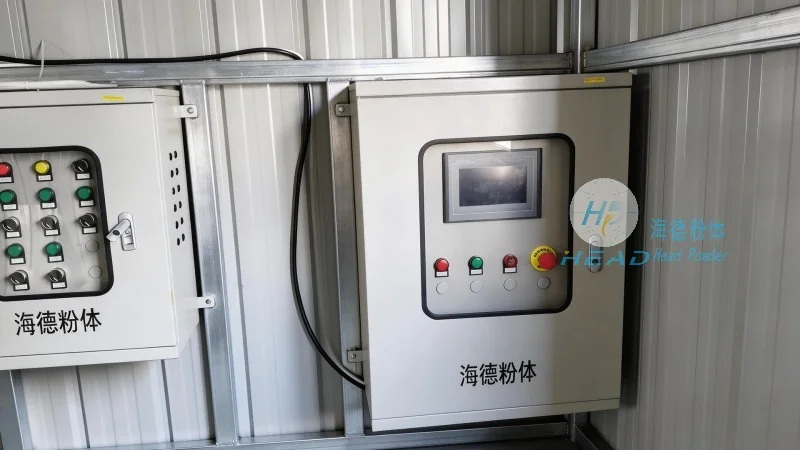
The operation process of maltose material handling begins with the storage of raw maltose in large silos. The system is initiated by activating the control panel, which triggers the conveyor belt to start moving. The maltose is then transferred from the storage silo to the processing area via the conveyor belt. The feeding mechanism, such as a screw conveyor, regulates the amount of maltose fed into the next stage of production. During transport, the system ensures that the maltose remains in a controlled environment, with temperature and humidity levels maintained to prevent any quality issues. The conveyor belts are equipped with safety features, such as emergency stop buttons, to ensure operational safety. Once the maltose reaches the processing unit, the system adjusts the feed rate based on real-time production demands. The entire process is monitored by the control system, which provides real-time data on the flow rate, temperature, and other critical parameters. This allows for immediate adjustments to maintain optimal performance and prevent any disruptions in the production line.
Working Principles of Maltose Material Handling
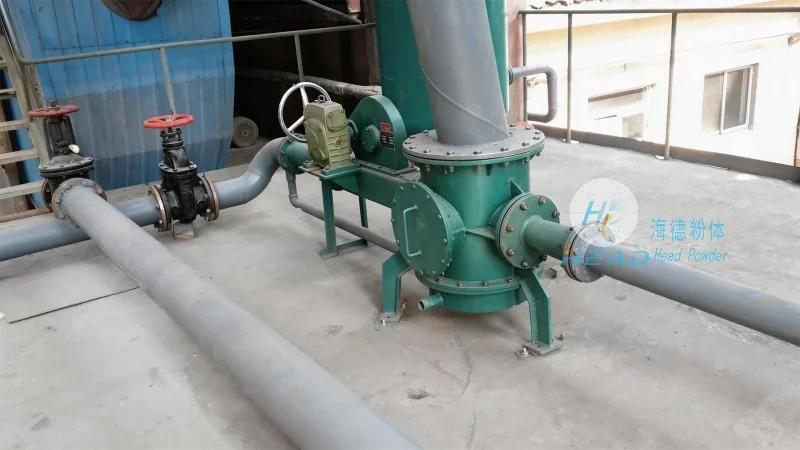
The working principles of maltose material handling are based on the principles of mechanical transport and material flow control. The system operates on the principle of gravity and mechanical force to move maltose from one location to another. The conveyor belts use friction and gravity to transport the material, while the feeding mechanisms use screw or rotary motion to regulate the flow. The control system uses sensors to detect the position and flow rate of the maltose, and adjusts the operation of the conveyor and feeding mechanisms accordingly. The system is designed to minimize energy consumption and maximize efficiency, with adjustable speed controls allowing for optimization based on production needs. The use of food-grade materials ensures that the maltose remains uncontaminated during handling, maintaining its quality and safety for consumption. The integration of automation technology enhances the reliability and consistency of the handling process, reducing the risk of human error and ensuring consistent product quality.
Benefits of Efficient Maltose Material Handling
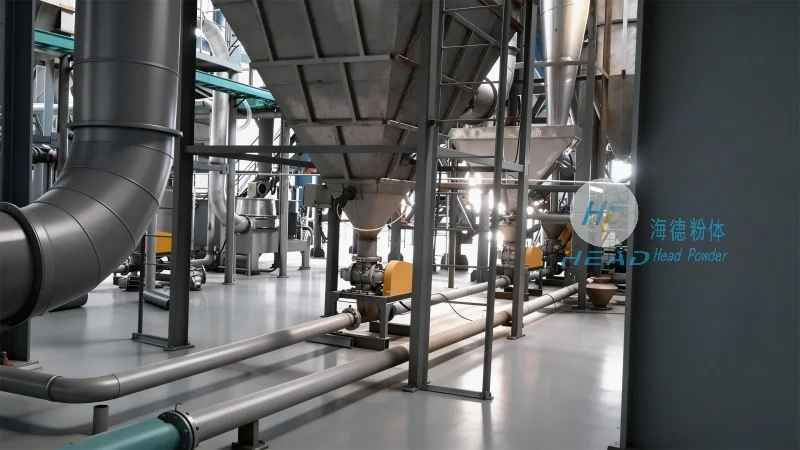
Efficient maltose material handling offers several benefits for manufacturers. Firstly, it ensures minimal loss and degradation of maltose during transport, maintaining its quality and nutritional value. This is crucial for food and beverage applications where maltose is used as a sweetener or flavor enhancer. Secondly, the system enhances production efficiency by providing consistent and reliable feed rates, reducing downtime and increasing output. The automation and control features of the system also reduce the need for manual intervention, improving safety and reducing labor costs. Additionally, the use of airtight and moisture-resistant storage silos helps preserve the maltose, extending its shelf life and reducing waste. Overall, an efficient maltose material handling system contributes to cost savings, improved product quality, and enhanced operational reliability for manufacturers.