With more than 10‑year industry experience, Shandong Headpowder delivers full‑service pneumatic‑conveying systems and blowers, undertaking nationwide turn‑key powder‑handling projects.
At Shandong HeadPowder Engineering Co., Ltd., we specialize in the design and manufacturing of advanced powder handling systems tailored for industrial applications. This article provides a detailed overview of the operation process and working principle of our chromium(III) oxide powder conveying system equipment, highlighting its efficiency, reliability, and key components.
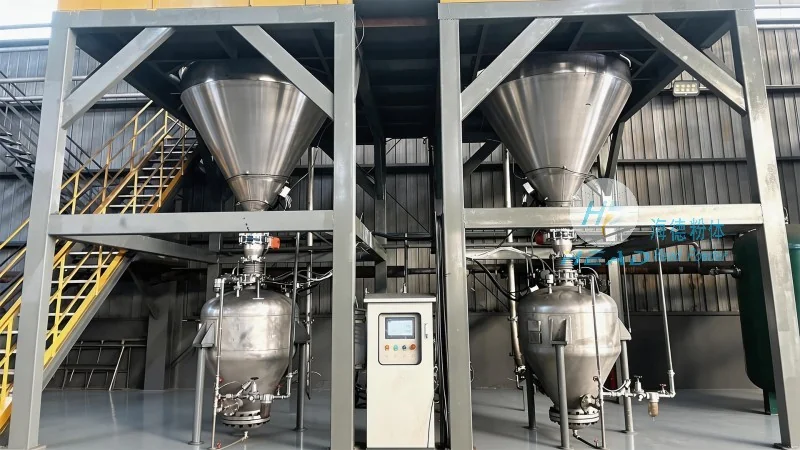
The chromium(III) oxide powder conveying system operates on the principle of pneumatic or mechanical transport, depending on the specific design and application requirements. The system typically consists of several core components, including a hopper for material storage, a feeder to control the flow rate, a conveying line (either a flexible hose or rigid pipe), and a receiver for the discharged material. The process begins with the material being fed from the hopper into the conveying line. In pneumatic systems, compressed air is used to create a flow that carries the powder particles through the line. The air-powder mixture moves under pressure, ensuring consistent and controlled transport. Mechanical systems, on the other hand, utilize rotating screws or augers to push the powder along the conveying path. This method is particularly effective for handling cohesive or abrasive powders like chromium(III) oxide, as it minimizes material degradation and maintains product integrity.
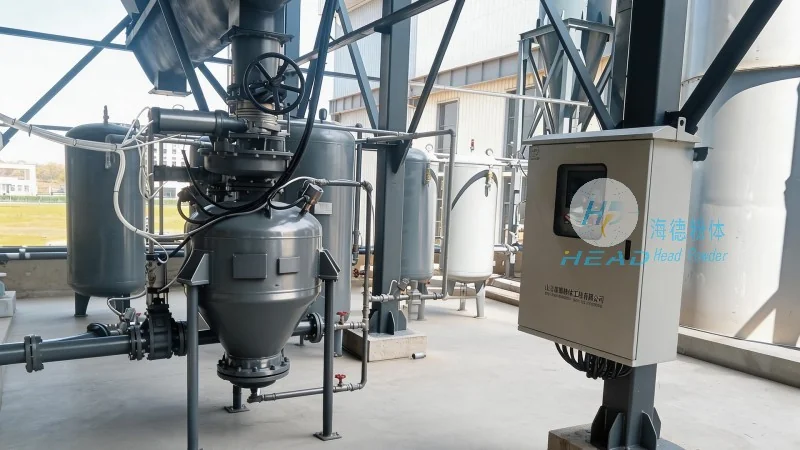
The operation of the chromium(III) oxide powder conveying system follows a systematic sequence to ensure smooth and efficient material transfer. Initially, the system is prepared by loading the hopper with the required amount of chromium(III) oxide powder. The feeder is then adjusted to set the desired flow rate, which is critical for maintaining a stable conveying pressure and preventing blockages. Once the system is ready, the conveying process is initiated. The material is drawn from the hopper and transported through the conveying line to the receiver. During this phase, the system continuously monitors parameters such as pressure, flow rate, and temperature to ensure optimal performance. If any deviations are detected, the system may automatically adjust the feeder speed or air pressure to maintain consistent operation. The receiving process involves the material being discharged from the conveying line into the receiver, where it is collected for further processing or storage. The entire operation is designed to be automated, reducing the need for manual intervention and enhancing overall productivity.
Several key components contribute to the effective operation of the chromium(III) oxide powder conveying system. The hopper serves as the primary storage vessel, providing a large capacity to accommodate bulk quantities of powder. It is typically equipped with a discharge gate or valve to control the material flow into the feeder. The feeder, often a rotary valve or screw feeder, regulates the flow rate of the powder, ensuring a consistent feed to the conveying line. This component is crucial for preventing overfeeding, which can lead to system overload or blockages. The conveying line, made of materials resistant to corrosion and abrasion (such as stainless steel or PTFE), transports the powder under pressure. The choice of material for the line depends on the properties of the powder, such as its chemical reactivity or particle size. The receiver, a container or tank, collects the conveyed powder and may include features like a discharge valve or level indicator to monitor the material level. Additionally, the system may include accessories like filters or cyclones to separate any entrained air or fine particles, ensuring the delivered material is of high quality and free from contaminants.
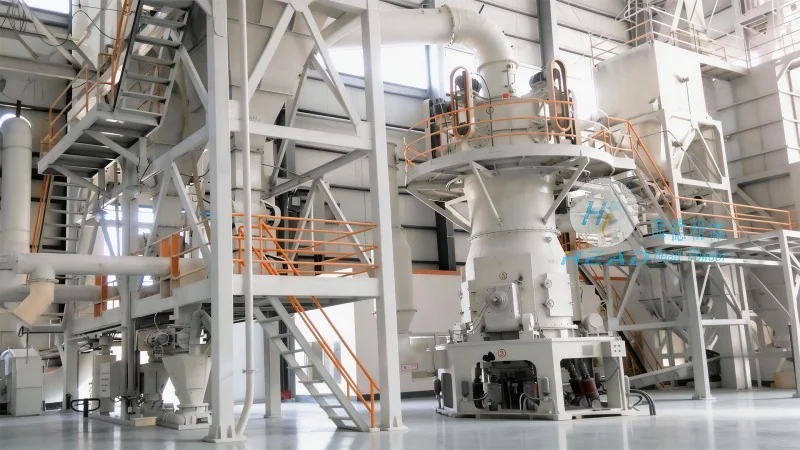
Maintaining the chromium(III) oxide powder conveying system is essential to ensure long-term reliability and performance. Regular maintenance tasks include cleaning the hopper and feeder to prevent material buildup, inspecting the conveying line for signs of wear or damage, and checking the air compressor or motor for proper operation. Proper maintenance helps to minimize downtime and extend the lifespan of the equipment. The system offers several advantages for handling chromium(III) oxide powder. Its ability to transport the material in a closed system prevents dust emissions and contamination, which is critical for maintaining a safe and clean working environment. The system also enhances product quality by reducing segregation and agglomeration of the powder particles. Furthermore, the automated operation improves efficiency and reduces labor costs, making it an ideal solution for industrial applications where consistent and reliable powder handling is required.

 Shandong Headpowder Engineering Co., Ltd.
 156-6277-7102(Manager Zhang)
  0531-83386006
  Zhangqiu District, Jinan City, Shandong Province, China
telephone
WeChatconsult
top