With more than 10‑year industry experience, Shandong Headpowder delivers full‑service pneumatic‑conveying systems and blowers, undertaking nationwide turn‑key powder‑handling projects.
Calcite powder conveying system equipment serves as a critical component in the mineral processing industry, facilitating the efficient transportation of calcite powder. This equipment is engineered to handle the distinct characteristics of calcite, such as its fine particle size and low bulk density, ensuring stable and reliable material movement. The following content will detail the operational process and working principles of such systems, offering a comprehensive overview for users and industry professionals.
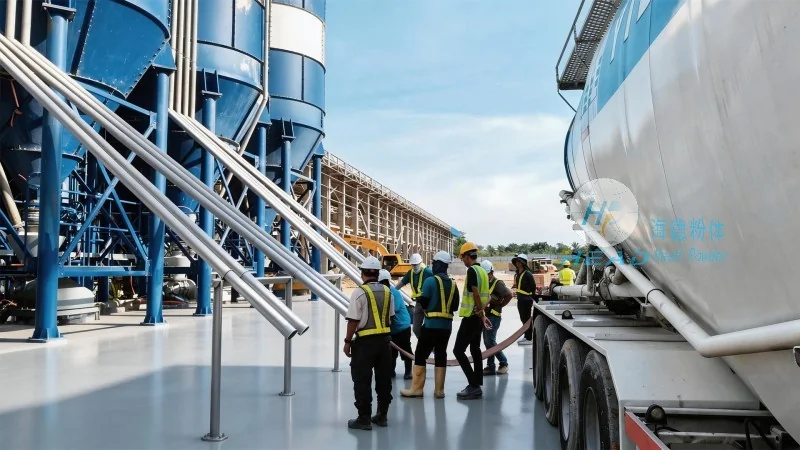
HeadPowder, the professional manufacturer behind this advanced conveying system, is a leading entity in powder processing technology. With a focus on innovation and quality, HeadPowder has established itself as a trusted partner for clients globally. The company’s headquarters is located in Shandong, China, where it leverages local resources and expertise to develop cutting-edge solutions tailored to the demands of the mineral processing sector. By combining years of industry experience with state-of-the-art engineering, HeadPowder ensures its products meet the highest standards of performance and durability.
The calcite powder conveying system typically comprises several key components, including a hopper, conveyor, control unit, and discharge mechanism. Each component is meticulously designed to work in unison, ensuring seamless material flow from the source to the destination. The system is engineered to handle calcite powder with particle sizes ranging from sub-micron to several millimeters, accommodating diverse processing requirements. The design prioritizes efficiency, minimizing material loss and energy consumption while maintaining high throughput rates. This makes the system suitable for both small-scale and large-scale industrial applications, from mining operations to manufacturing facilities.
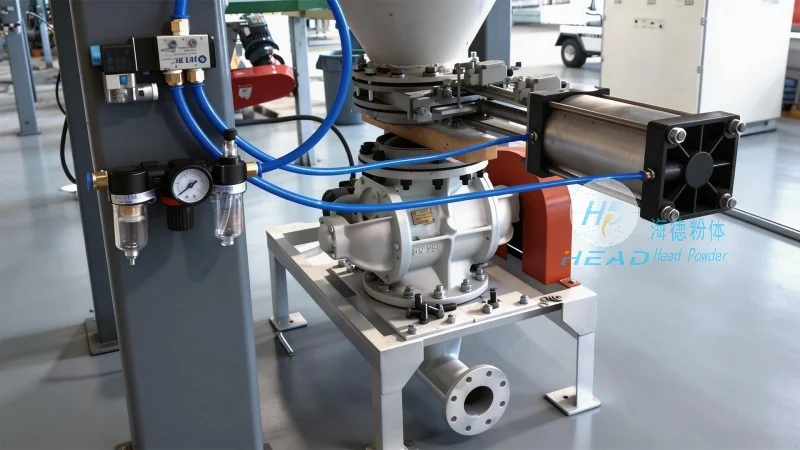
The operation of the calcite powder conveying system begins with the loading of calcite powder into the hopper. The hopper is equipped with a feeding mechanism, such as a rotary valve or screw feeder, which regulates the flow of material into the conveyor. As the powder enters the conveyor, it is transported through a series of belts or pipes, depending on the system’s specific design. The conveyor system may include multiple segments, with each segment optimized for different material handling needs. For example, some segments may use a belt conveyor for horizontal transport, while others employ a pneumatic conveyor for vertical or inclined movement. The control unit monitors the entire process, adjusting the speed and flow rate of the conveyor based on real-time feedback from sensors. This ensures the system operates at peak efficiency, preventing overloading or underutilization of the equipment.
The working principle of the calcite powder conveying system is based on the principles of mechanical and pneumatic transport. Mechanical conveyors, such as belt or screw conveyors, rely on friction between the material and the conveyor surface to move the powder. The belt conveyor, for instance, uses a motor-driven pulley system to rotate the belt, which pulls the calcite powder along its path. The screw conveyor operates similarly, using a rotating screw to push the material forward. Pneumatic conveyors, on the other hand, utilize compressed air to create a flow of air that carries the powder through a pipeline. This method is particularly effective for handling fine or dusty powders, as it minimizes material degradation and reduces the risk of clogging. The system may also incorporate features like air filtration and dust collection to maintain a clean and safe working environment. By integrating both mechanical and pneumatic components, the conveying system achieves a balanced approach to material transport, optimizing performance and reliability.
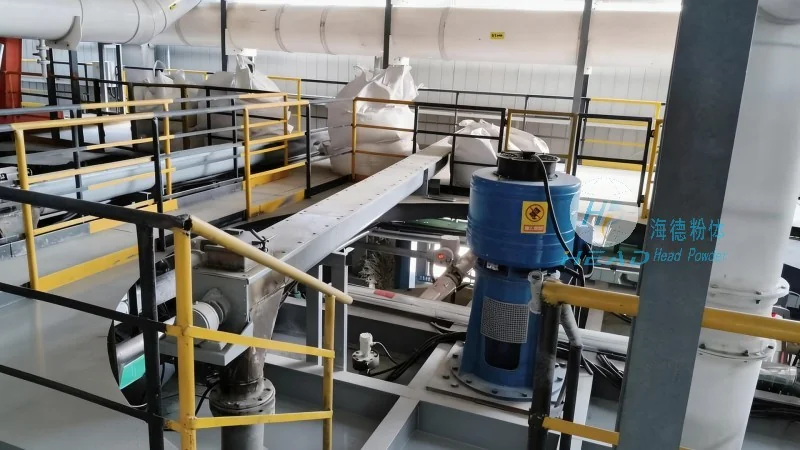
The calcite powder conveying system from HeadPowder is equipped with several advanced features that enhance its performance and user experience. One key feature is the adjustable speed control, allowing operators to modify the conveyor speed based on process requirements. This flexibility ensures the system can handle varying loads and material types without compromising efficiency. Another important feature is the integrated monitoring system, which provides real-time data on the system’s performance, including flow rate, pressure, and temperature. This data is crucial for maintenance and troubleshooting, enabling proactive measures to prevent equipment failures. The system also includes safety features, such as emergency stop buttons and overload protection, to ensure operator safety and material integrity. Additionally, the equipment is designed for easy maintenance, with accessible components that can be serviced quickly, reducing downtime and increasing overall productivity.
The calcite powder conveying system is widely used in various industries that rely on calcite powder as a raw material. In the construction industry, it is used to transport calcite powder for cement, plaster, and other building material production. In the pharmaceutical industry, the system handles calcite powder in tablet and medicinal product manufacturing. The chemical industry also utilizes this equipment for calcite powder transport in coating, pigment, and other chemical compound production. Each application benefits from the system’s ability to handle fine powders efficiently and reliably, ensuring consistent quality and minimal waste. The system’s adaptability makes it suitable for bulk material handling to precise dosing applications.
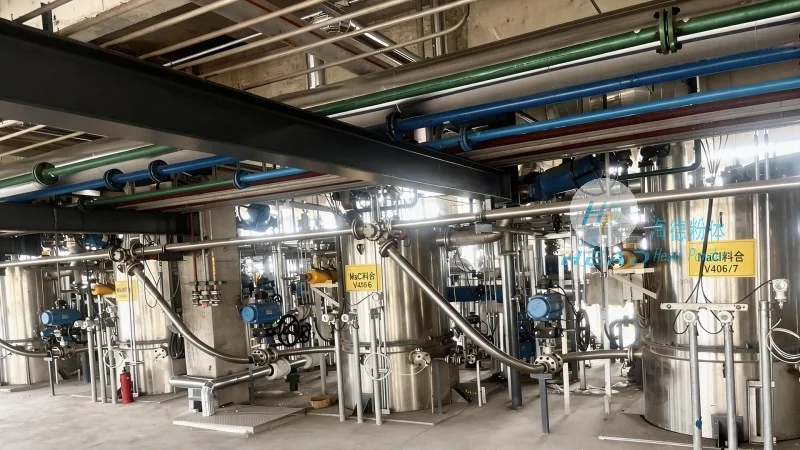
To ensure long-term performance and reliability of the calcite powder conveying system, regular maintenance is essential. HeadPowder recommends a preventive maintenance schedule that includes routine inspections of all components, such as conveyor belts, bearings, and air filters. The hopper and feeding mechanisms should be checked for wear or blockage, impacting system efficiency. The control unit and sensors should be calibrated periodically for accurate readings. In case of issues, the system’s troubleshooting guide provides step-by-step instructions to identify and resolve common problems. For example, if conveyor speed is too slow, the control unit may need adjustment or motor checks. If excessive dust or buildup occurs, the air filtration system may require cleaning or replacement. By following maintenance guidelines, users maximize equipment lifespan and minimize operational disruptions.
The calcite powder conveying system equipment from Shandong HeadPowder Engineering Co., Ltd. represents a sophisticated solution for efficient and reliable calcite powder transport. Through integrated design and advanced features, the system addresses fine powder handling challenges, ensuring high throughput and minimal material loss. The operational process, involving precise control and monitoring, combined with mechanical and pneumatic transport principles, makes the system versatile and dependable for diverse industrial applications. With its commitment to quality and innovation, HeadPowder continues to provide industry-leading solutions meeting evolving mineral processing needs. By understanding the system’s operation and principles, users can optimize processes and achieve greater operational efficiency.

 Shandong Headpowder Engineering Co., Ltd.
 156-6277-7102(Manager Zhang)
  0531-83386006
  Zhangqiu District, Jinan City, Shandong Province, China
telephone
WeChatconsult
top