With more than 10‑year industry experience, Shandong Headpowder delivers full‑service pneumatic‑conveying systems and blowers, undertaking nationwide turn‑key powder‑handling projects.
Calcined sand powder conveying machines are essential equipment in industrial processing, particularly for handling calcined sand—a material derived from the calcination of sand, often used in refractory, glass, and construction industries. The operation process and working principle of these machines are crucial for ensuring efficient material transport, maintaining product quality, and optimizing production lines. This article provides a detailed overview of how these machines function, focusing on the key components, operational steps, and technical aspects that contribute to their performance.
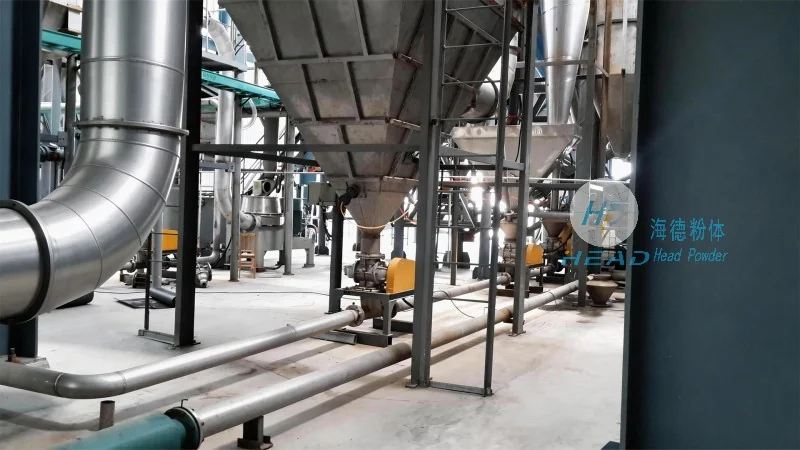
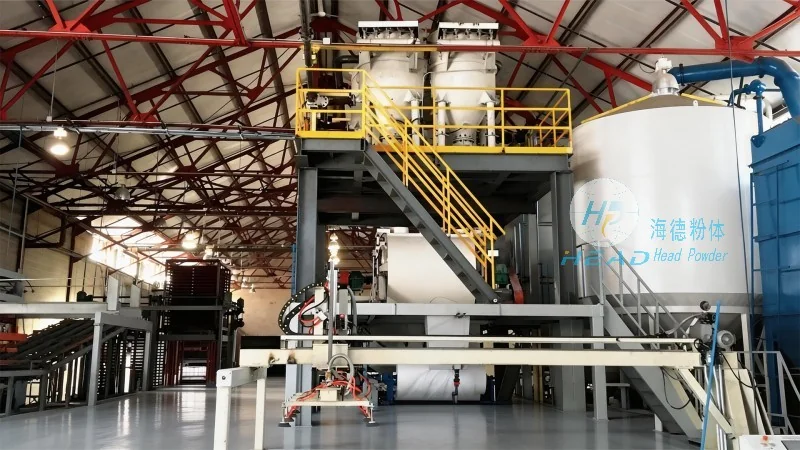
Calcined sand powder conveying machines are specialized devices designed to transport calcined sand, a fine powder with high thermal stability and low moisture content. These machines are engineered to handle the unique properties of calcined sand, such as its fine particle size, abrasive nature, and tendency to generate dust. The primary goal of these systems is to move the material from one location to another within a production facility with minimal loss, contamination, or degradation. By understanding the operation process and working principles, users can better select, operate, and maintain these machines to meet their specific industrial needs.
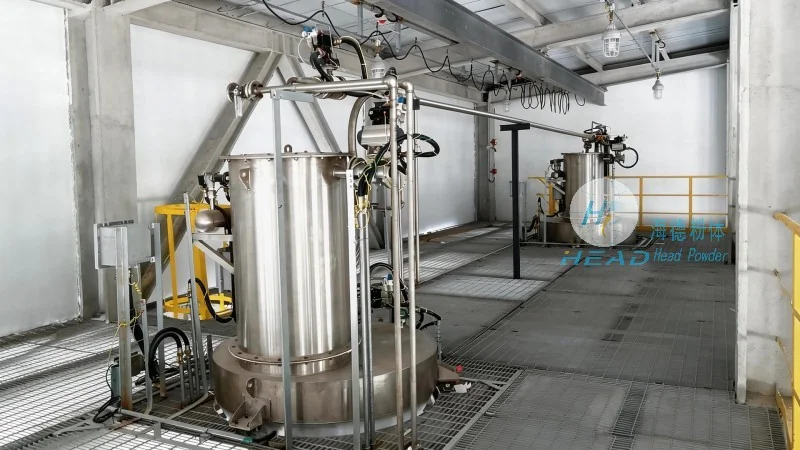
The performance of a calcined sand powder conveying machine relies on several critical components that work in harmony to achieve efficient material transport. These components include: hopper, feeder, conveyor system (e.g., screw, pneumatic, or belt conveyors), control panel, and filter system. Each component plays a vital role in the overall operation, and their proper integration ensures smooth and reliable material handling.
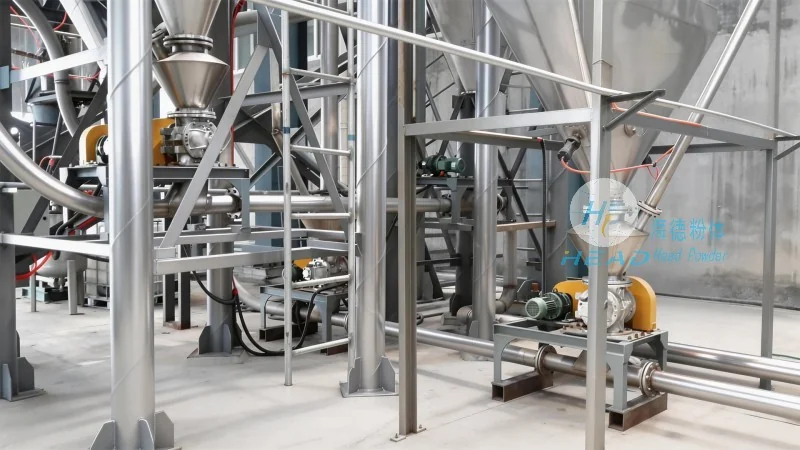
The operation process of a calcined sand powder conveying machine involves several sequential steps that ensure the material is transported efficiently and safely. The process typically begins with the loading of calcined sand into the hopper. Once the hopper is filled, the feeder starts to discharge the material at a controlled rate. The feeder then delivers the sand to the conveyor, which transports it to the discharge point. The control panel monitors the entire process, adjusting the flow rate as needed to maintain consistent performance. The filter system continuously captures dust generated during transport, preventing it from escaping into the environment. The entire operation is automated, with minimal human intervention required, except for periodic maintenance and monitoring.

 Shandong Headpowder Engineering Co., Ltd.
 156-6277-7102(Manager Zhang)
  0531-83386006
  Zhangqiu District, Jinan City, Shandong Province, China
telephone
WeChatconsult
top