

Operation Process and Working Principle of Long-Distance Powder Conveying Lines
Long-distance powder conveying lines are essential systems in industrial applications, designed to transport bulk powders over significant distances with efficiency and reliability. The operation process and working principle of these systems involve several key components and steps that ensure smooth and effective material handling. This article provides a detailed overview of how such lines function, focusing on the technical aspects and operational procedures.
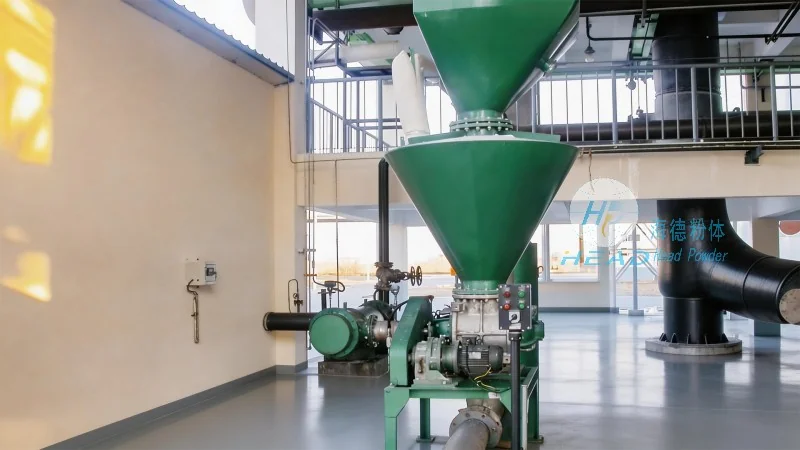
Overview of Long-Distance Powder Conveying Systems
Long-distance powder conveying lines, also known as pneumatic or mechanical conveying systems, are engineered to move powders from a source to a destination, often over distances ranging from hundreds of meters to several kilometers. These systems are widely used in industries such as pharmaceuticals, food processing, chemicals, and mining, where the safe and efficient transport of bulk materials is critical. The core components of a typical long-distance powder conveying line include a material feed hopper, a conveyor system (either pneumatic or mechanical), control valves, and a receiving hopper or silo. Each component plays a vital role in the overall operation, ensuring that the powder is conveyed without degradation or loss.
Working Principle of Powder Conveying Lines
The working principle of long-distance powder conveying lines is based on the movement of powders through a pipeline using either air pressure (pneumatic systems) or mechanical force (mechanical systems). In pneumatic conveying, the powder is suspended in a stream of air and transported through the pipeline. The air flow is generated by a blower or compressor, which creates a pressure differential that propels the powder forward. The velocity and pressure of the air are carefully controlled to maintain the powder in a suspended state, preventing clogging and ensuring consistent flow. In mechanical conveying, the powder is moved by a series of rotating components, such as screws, belts, or buckets, which push the material along the pipeline. This method is often used for abrasive or corrosive powders where air contact could cause degradation.
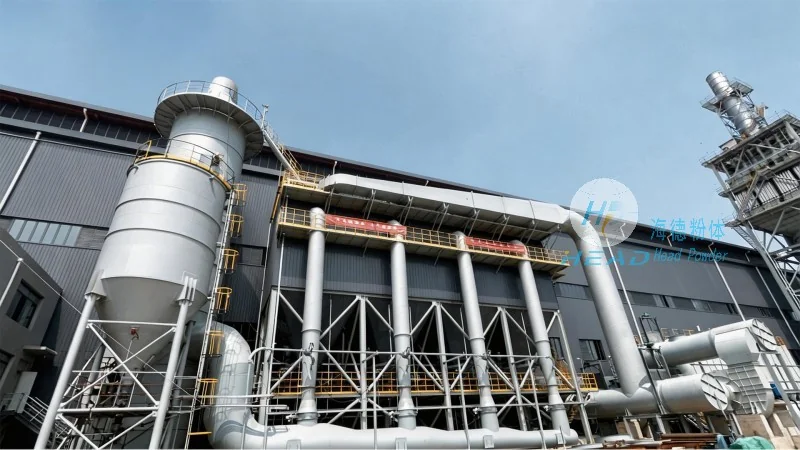
Key Components and Their Functions
Several key components are integral to the operation of long-distance powder conveying lines. The material feed hopper is responsible for storing and feeding the powder into the system. It is designed to handle various powder types and sizes, with features like level sensors to monitor the material level and prevent overfilling. The conveyor system, whether pneumatic or mechanical, is the heart of the operation. Pneumatic systems use pipelines and air flow to transport the powder, while mechanical systems rely on rotating mechanisms to move the material. Control valves are used to regulate the flow of powder and air, ensuring that the system operates at optimal pressure and flow rates. The receiving hopper or silo collects the conveyed powder and stores it for further processing or use. Each component must be properly maintained and calibrated to ensure the system operates efficiently and safely.
Operation Process of Long-Distance Powder Conveying Lines
The operation process of a long-distance powder conveying line typically involves several steps. First, the powder is fed from the source hopper into the conveyor system. The system is then activated, and the powder is transported through the pipeline to the receiving hopper. The flow rate and pressure are monitored and adjusted as needed to maintain consistent performance. During operation, the system may experience variations in powder characteristics, such as moisture content or particle size, which can affect the conveying efficiency. To address these variations, the system includes sensors and control mechanisms that adjust the air flow or mechanical force to maintain optimal conditions. The operation process is designed to be continuous, with minimal downtime, ensuring that production processes are not interrupted.
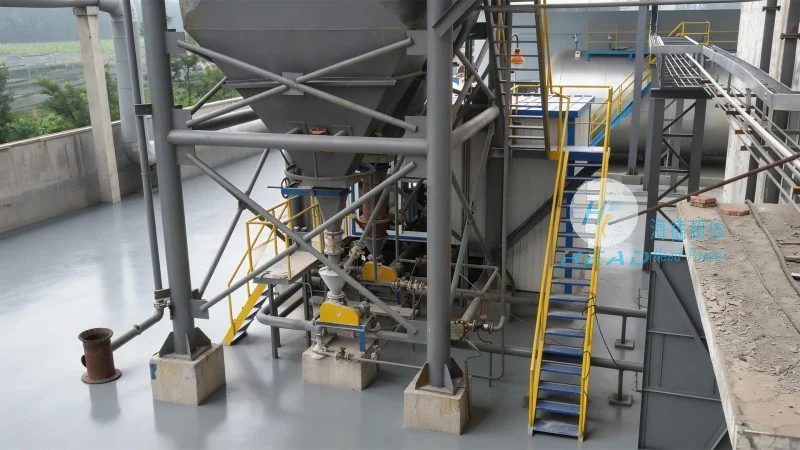
Maintenance and Troubleshooting
Maintenance is a critical aspect of ensuring the long-term performance and reliability of long-distance powder conveying lines. Regular maintenance includes cleaning the pipelines and components to prevent clogging, inspecting the conveyor system for wear and tear, and checking the performance of control valves and sensors. Common issues that may arise during operation include clogging of the pipeline, air leaks, or variations in flow rate. These issues can be identified and addressed through regular monitoring and maintenance procedures. For example, if clogging occurs, the system may need to be stopped and the pipeline cleared using a vacuum or pressure relief. Air leaks can be detected using pressure gauges and repaired by replacing seals or gaskets. Variations in flow rate may indicate a problem with the feed hopper or control valves, which can be adjusted or replaced as necessary. Proper maintenance and troubleshooting ensure that the system operates efficiently and safely, minimizing downtime and maximizing productivity.
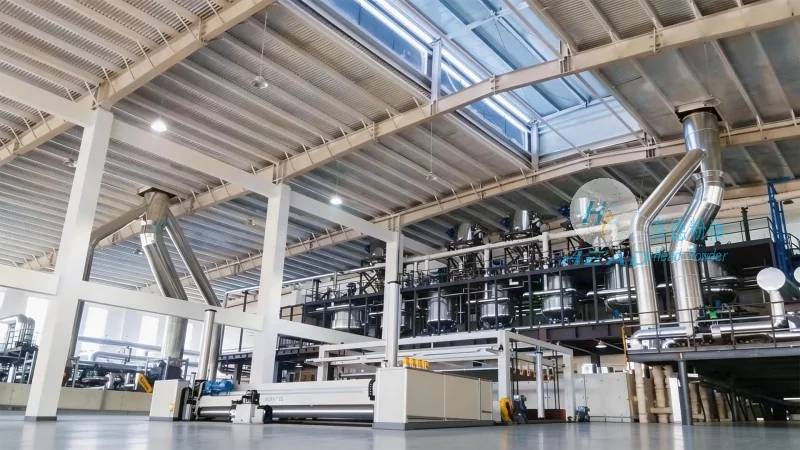
Applications and Benefits
Long-distance powder conveying lines are used in a wide range of industrial applications, where the efficient transport of bulk powders is essential. In the pharmaceutical industry, these systems are used to transport active pharmaceutical ingredients (APIs) and excipients to production lines, ensuring that the materials are handled in a sterile and controlled environment. In the food processing industry, they are used to transport ingredients such as flour, sugar, and spices, maintaining the quality and safety of the products. In the chemical industry, they are used to transport raw materials and finished products, such as powders used in manufacturing processes. The benefits of using long-distance powder conveying lines include increased efficiency, reduced labor costs, and improved safety compared to manual handling methods. These systems also help to minimize material loss and contamination, ensuring that the transported powders remain in optimal condition.
Conclusion
Long-distance powder conveying lines are sophisticated systems that play a vital role in modern industrial operations. The operation process and working principle of these systems involve a combination of mechanical and pneumatic components, carefully designed to transport powders over significant distances with efficiency and reliability. By understanding the key components and operational procedures, industries can optimize their material handling processes and improve overall productivity. With proper maintenance and troubleshooting, these systems can provide long-term performance and ensure the safe and efficient transport of bulk materials. As industrial needs evolve, the development of advanced powder conveying systems continues to improve, offering new solutions for the transportation of powders in various applications.