With more than 10‑year industry experience, Shandong Headpowder delivers full‑service pneumatic‑conveying systems and blowers, undertaking nationwide turn‑key powder‑handling projects.
For businesses in the spice industry, especially those handling Sichuan pepper, efficient and reliable material handling is crucial to maintaining product quality and operational efficiency. The Sichuan pepper pneumatic conveying line, developed by Shandong HeadPowder Engineering Co., Ltd., based in Shandong, China, offers a sophisticated solution for transporting these delicate and often sticky spices. This article explores the operation process and working principle of such a system, highlighting its key components, operational steps, and the technical advantages it provides.
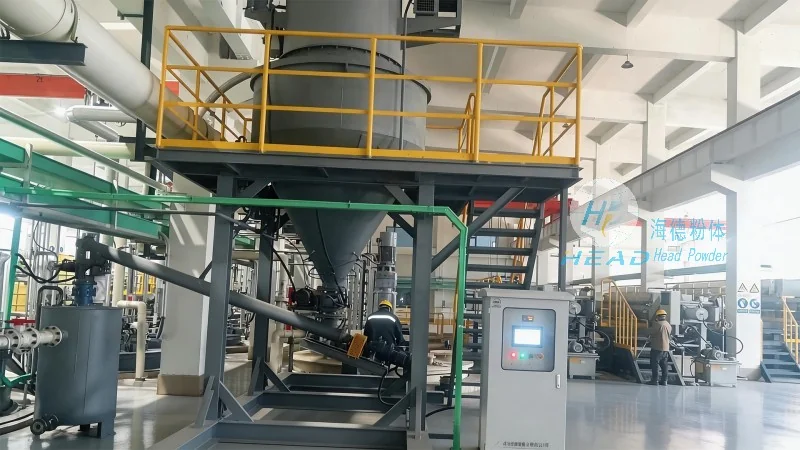
Sichuan pepper, known for its pungent aroma and unique flavor, is a highly valued spice in culinary applications. However, its physical properties—such as irregular shape, varying moisture content, and tendency to clump—make traditional manual or mechanical conveying methods inefficient and potentially damaging to the product. The pneumatic conveying line addresses these challenges by using air as the primary medium to transport the spice from one location to another, ensuring minimal product degradation and consistent quality throughout the process.
The Sichuan pepper pneumatic conveying line consists of several critical components that work in tandem to achieve efficient material transport. These include:
1. Feeder Unit: This component is responsible for feeding the Sichuan pepper into the conveying system. It may include a hopper or a rotary valve to regulate the flow of the spice, ensuring a consistent and controlled feed rate. The feeder is designed to handle the irregular shapes and potential clumping of the pepper, preventing blockages and maintaining smooth operation.
2. Pneumatic Conveying Pipe: The main conduit for transporting the pepper, these pipes are typically made of durable materials like stainless steel or food-grade plastic to withstand the abrasive nature of the spice and maintain hygiene standards. The pipes are equipped with bends and elbows to navigate the path from the feeding point to the discharge point, with smooth transitions to minimize friction and product loss.
3. Air Supply System: Comprised of a blower or a positive displacement pump, this system generates the necessary air pressure to move the pepper through the pipes. The air supply is carefully regulated to ensure optimal flow rates, preventing excessive pressure that could damage the product or cause excessive wear on the system components.
4. Receiver or Discharge Unit: At the end of the conveying line, this component collects the Sichuan pepper and discharges it into a storage bin or processing equipment. It may include a filter or a cyclone separator to remove any fine particles or dust from the air before it is released back into the environment, ensuring compliance with environmental regulations.
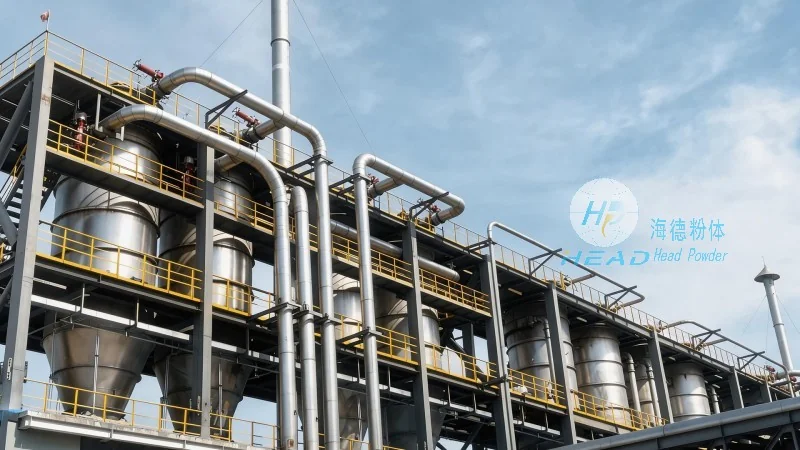
The operation of the Sichuan pepper pneumatic conveying line follows a systematic sequence of steps, each designed to maximize efficiency and product integrity:
1. Preparation and Loading: The Sichuan pepper is loaded into the feeder hopper. The hopper is typically equipped with a level indicator to monitor the material level, ensuring that the feeder operates at an optimal rate. The feeder then starts, releasing the pepper into the pneumatic pipe.
2. Air Injection and Conveying: As the pepper enters the pipe, the air supply system injects high-pressure air into the pipe. The air and pepper mixture travels through the pipe, with the air providing the necessary force to move the pepper along the path. The system is designed to maintain a consistent air velocity, preventing the pepper from settling or clogging the pipe.
3. Transport and Delivery: The pepper continues to be transported through the pipe network until it reaches the discharge point. The receiver unit is positioned at the end of the line, ready to collect the pepper. The air flow is controlled to ensure a smooth discharge, with any excess air being filtered and returned to the system.
4. System Shutdown and Maintenance: Once the conveying operation is complete, the system is shut down in an orderly manner. The air supply is turned off, and the feeder is stopped. The system is then inspected for any signs of wear or blockages, with routine maintenance performed to ensure continued reliable operation.
The working principle of the Sichuan pepper pneumatic conveying line is based on the fundamental physics of fluid dynamics and particle transport. The system operates on the principle of creating a low-pressure zone in the conveying pipe, which draws the pepper particles into the air stream. This is achieved by injecting high-pressure air into the pipe, creating a pressure differential between the inlet and outlet. The pepper particles are entrained by the air and carried along the pipe, with the air velocity being sufficient to overcome the gravitational forces and any frictional resistance within the pipe.
The system is designed to maintain a stable air velocity, typically ranging from 15 to 30 meters per second, depending on the specific characteristics of the Sichuan pepper and the pipe diameter. This velocity ensures that the pepper particles remain suspended in the air stream, preventing them from settling and causing blockages. The air flow is also controlled to minimize product degradation, as excessive velocity can cause abrasion or breakage of the pepper particles.
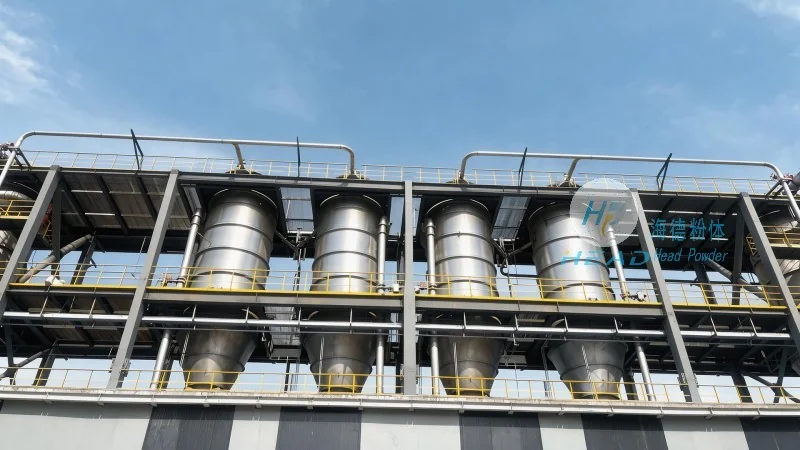
Implementing a pneumatic conveying line for Sichuan pepper offers several significant advantages over traditional conveying methods:
1. Reduced Product Damage: The gentle handling of the pepper by the air stream minimizes physical damage, such as cracking or bruising, which can affect the flavor and appearance of the spice.
2. Improved Hygiene and Cleanliness: The enclosed system prevents contamination from external sources, maintaining the high hygiene standards required for food-grade products. The system components are easy to clean and sanitize, reducing the risk of microbial growth.
3. Efficient and Continuous Operation: The pneumatic conveying line allows for continuous, uninterrupted operation, increasing overall productivity and reducing labor costs associated with manual handling.
4. Space Efficiency: The system can be designed to fit into tight spaces, making it suitable for facilities with limited floor area.
The Sichuan pepper pneumatic conveying line developed by Shandong HeadPowder Engineering Co., Ltd. is a highly effective solution for the efficient and reliable transport of Sichuan pepper. By understanding the operation process and working principle of such a system, businesses can leverage this technology to enhance their production processes, maintain product quality, and improve overall operational efficiency. With its robust design and adherence to industry standards, this pneumatic conveying line represents a valuable investment for any spice processing facility.

 Shandong Headpowder Engineering Co., Ltd.
 156-6277-7102(Manager Zhang)
  0531-83386006
  Zhangqiu District, Jinan City, Shandong Province, China
telephone
WeChatconsult
top