With more than 10‑year industry experience, Shandong Headpowder delivers full‑service pneumatic‑conveying systems and blowers, undertaking nationwide turn‑key powder‑handling projects.
Stainless steel bulk bag pneumatic conveying systems represent a sophisticated approach to material handling, particularly for industries requiring high standards of hygiene, durability, and efficient bulk material transport. This technology, offered by Shandong HeadPowder Engineering Co., Ltd., based in China, integrates advanced engineering to ensure reliable and safe operation across various industrial applications.
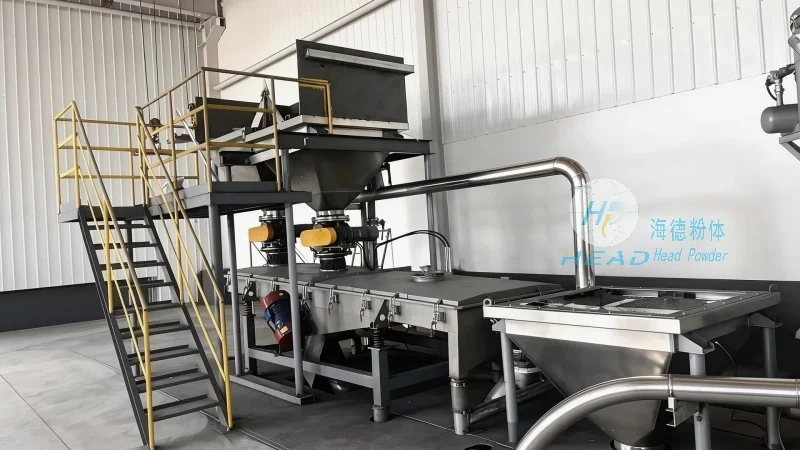
At the core of stainless steel bulk bag pneumatic conveying is the ability to handle large volumes of bulk materials while maintaining strict control over material quality and environmental safety. The system typically involves a bulk bag (also known as a super sack or FIBC) as the primary container for raw materials, which are then transferred through an enclosed pipeline using compressed air or other gases. This method eliminates the need for manual handling of loose materials, reducing the risk of contamination and improving operational efficiency.
The successful operation of a stainless steel bulk bag pneumatic conveying system relies on several critical components, each designed to perform a specific function. These include:
The working principle of stainless steel bulk bag pneumatic conveying is based on the fundamental physics of fluid dynamics and particle transport. When the unloading valve is opened, the material from the bulk bag is drawn into the conveying pipeline by the negative pressure created by the compressor. Simultaneously, compressed air is introduced into the pipeline, creating a flow that carries the material particles forward. The air velocity is carefully controlled to ensure the material is transported without excessive wear on the system components and without causing dust or particle separation.
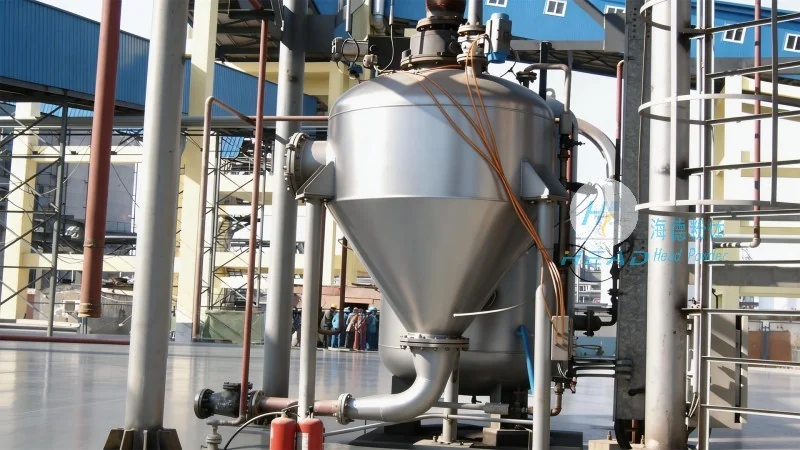
The system operates in two primary modes: dilute phase and dense phase. In dilute phase conveying, the material is suspended in the air stream as fine particles, allowing for high-speed transport over long distances. In dense phase conveying, the material is transported in a more compact form, reducing the risk of particle degradation and ensuring a more controlled discharge at the receiver. The choice between these modes depends on the material characteristics, such as particle size, density, and moisture content.
The operation process of a stainless steel bulk bag pneumatic conveying system involves a series of coordinated steps to ensure efficient and safe material transfer. The process typically begins with the preparation of the bulk bag, which is filled with the raw material and sealed at the top. The unloading valve is then connected to the conveying pipeline, and the system is primed with compressed air to ensure all air pockets are removed from the pipeline.
Once the system is ready, the unloading valve is opened, and the material is drawn into the pipeline. The compressor maintains a consistent pressure and air flow rate, ensuring the material is transported smoothly to the receiver. The receiver is positioned at the destination, and the discharge valve is opened to allow the material to be deposited. The process continues until the bulk bag is empty, after which the valve is closed, and the system is prepared for the next load.
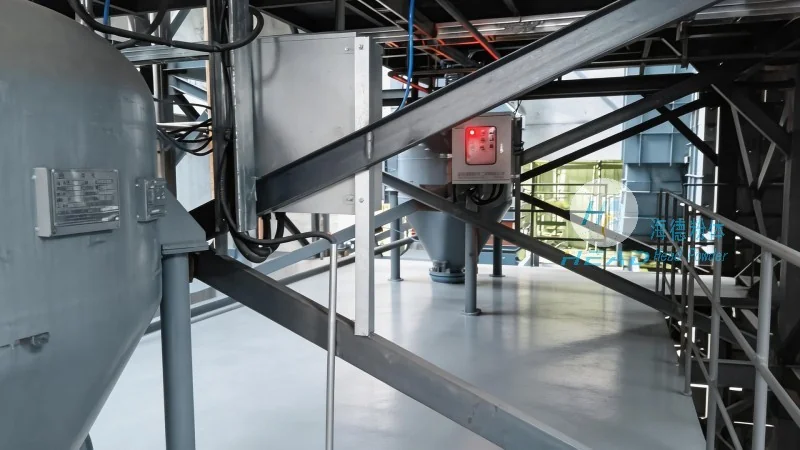
Stainless steel bulk bag pneumatic conveying offers several advantages over traditional material handling methods, making it a preferred choice for many industries. These benefits include:
Stainless steel bulk bag pneumatic conveying systems are widely used across various industries due to their versatility and reliability. Common applications include:
Stainless steel bulk bag pneumatic conveying systems, as provided by Shandong HeadPowder Engineering Co., Ltd., represent a cutting-edge solution for efficient and reliable bulk material handling. By integrating advanced engineering and stainless steel construction, these systems offer superior performance, durability, and hygiene, making them an ideal choice for industries requiring high standards of material transport. The operation process, working principles, and advantages outlined above demonstrate the effectiveness of this technology in modern industrial applications.

 Shandong Headpowder Engineering Co., Ltd.
 156-6277-7102(Manager Zhang)
  0531-83386006
  Zhangqiu District, Jinan City, Shandong Province, China
telephone
WeChatconsult
top