With more than 10‑year industry experience, Shandong Headpowder delivers full‑service pneumatic‑conveying systems and blowers, undertaking nationwide turn‑key powder‑handling projects.
For industries dealing with glass fiber materials, efficient and reliable material handling is crucial. Pneumatic conveying equipment has emerged as a preferred solution, offering advanced technology to manage the unique properties of glass fiber while ensuring seamless operation in various industrial settings. This article explores the core principles, working scene characteristics, and technical advantages of pneumatic conveying systems designed specifically for glass fiber material transport.
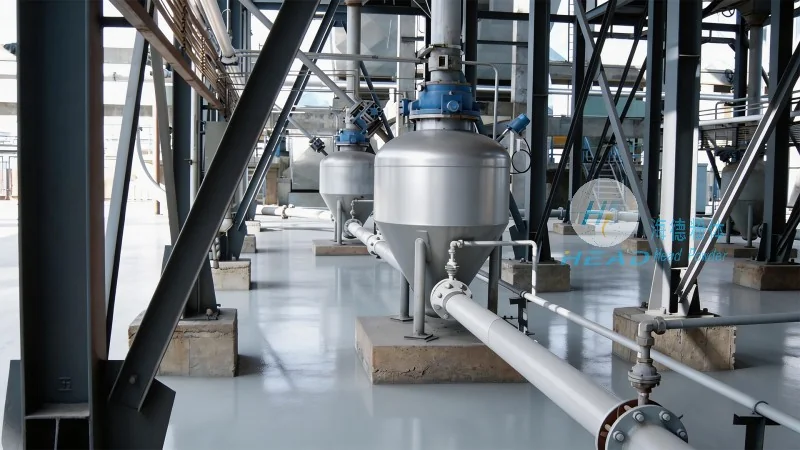
Glass fiber, known for its high strength-to-weight ratio and thermal stability, is widely used in composite materials, textiles, and insulation products. However, its fine, lightweight particles pose challenges during handling, such as dust generation and clogging in traditional conveyors. Pneumatic conveying systems address these challenges by utilizing air pressure to transport materials through a closed pipeline system. This method not only minimizes material loss and contamination but also enhances operational safety and efficiency. The equipment is engineered to handle the specific characteristics of glass fiber, including its low bulk density and tendency to form agglomerates, ensuring consistent and reliable performance.
The fundamental principle of pneumatic conveying for glass fiber involves the use of compressed air to create a flow that propels the material through the conveying line. There are two primary types of pneumatic conveying systems: positive pressure and negative pressure. Positive pressure systems use blowers to force air and material through the pipeline, while negative pressure systems employ vacuum pumps to draw material into the system. For glass fiber, positive pressure systems are often preferred due to their ability to handle higher material loads and maintain consistent air pressure, which is critical for preventing material degradation and ensuring smooth transport. The system typically includes a hopper for material storage, a feeder to control the flow rate, a conveying line with appropriate diameter and bends, and a receiver to collect the material at the destination. The design of the conveying line, including the use of smooth, non-stick surfaces and appropriate bends with minimal pressure drop, is essential to maintain the integrity of the glass fiber particles and prevent blockages.
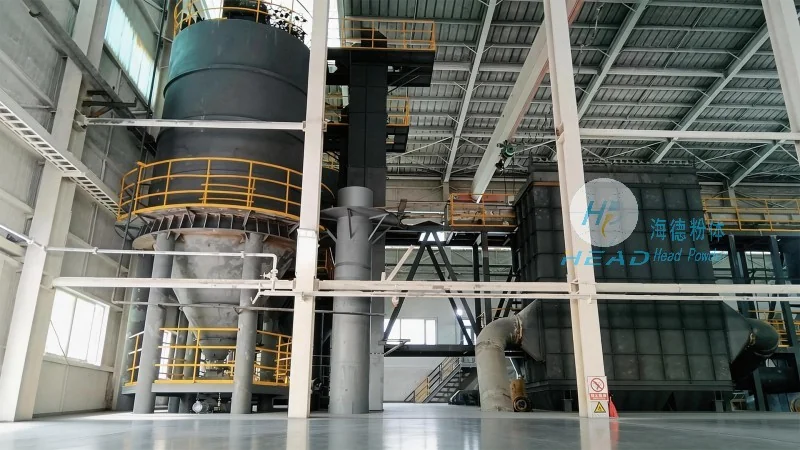
Pneumatic conveying equipment for glass fiber is versatile and can be applied in a wide range of industrial scenarios. In manufacturing facilities, it is commonly used to transport glass fiber from raw material storage to processing lines, such as fiber spinning or composite molding. The equipment is particularly suitable for applications where material needs to be moved over long distances or through multiple stages of production. For example, in the production of fiberglass insulation, the system can efficiently convey raw glass fibers from the melting furnace to the forming machines, ensuring a continuous and controlled supply of material. Additionally, in the textile industry, pneumatic conveyors are used to transport glass fiber yarns or rovings from storage to weaving or knitting machines, maintaining the quality and consistency of the fibers. The working scene characteristics also include the ability to handle varying material loads and flow rates, adapting to the dynamic demands of industrial production. The equipment is designed to operate in environments where dust control is essential, such as in cleanrooms or facilities with strict air quality regulations, making it suitable for applications requiring high precision and minimal contamination.
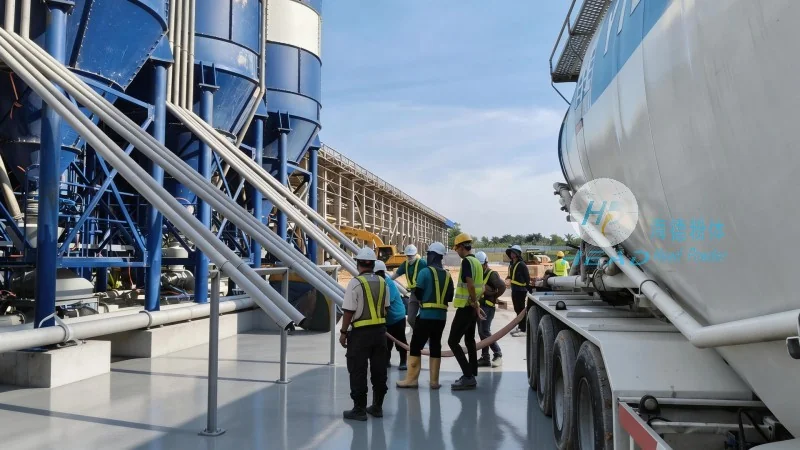
The pneumatic conveying systems for glass fiber material offer several technical advantages that make them superior to traditional handling methods. One of the key benefits is the ability to handle fine, lightweight particles without causing degradation or loss. The system’s design minimizes friction and impact on the material, preserving the quality of the glass fiber particles. Additionally, the closed pipeline system prevents dust emissions and environmental contamination, aligning with modern industrial standards for sustainability and safety. The equipment is also highly efficient in terms of energy consumption, as the use of compressed air is optimized to minimize pressure drop and energy loss. Maintenance requirements are relatively low compared to other conveying systems, with easy access to components for inspection and replacement. The performance features also include adjustable flow control, allowing operators to regulate the speed of material transport based on production needs. This flexibility ensures that the system can adapt to varying production schedules and material volumes, enhancing overall operational efficiency. Furthermore, the system’s compact design and modular construction make it easy to integrate into existing production lines, reducing installation time and costs.
Shandong HeadPowder Engineering Co., Ltd., a leading manufacturer of pneumatic conveying equipment, specializes in providing customized solutions for glass fiber material handling. With a strong commitment to innovation and quality, the company has developed advanced technologies to address the unique challenges of glass fiber transport. HeadPowder’s equipment is designed and manufactured in China, with a focus on durability, reliability, and performance. The company’s facilities are equipped with state-of-the-art production equipment and quality control systems, ensuring that each product meets the highest industry standards. HeadPowder provides comprehensive support to its clients, including technical consultation, installation, and after-sales service. The company’s team of experts has extensive experience in the field of material handling and can offer tailored solutions to meet the specific needs of each customer. With a strong presence in the industry, HeadPowder has built a reputation for delivering high-quality products and reliable service, making it a trusted partner for businesses in the glass fiber industry.

 Shandong Headpowder Engineering Co., Ltd.
 156-6277-7102(Manager Zhang)
  0531-83386006
  Zhangqiu District, Jinan City, Shandong Province, China
telephone
WeChatconsult
top