

Principle and Working Scene Characteristics of Sawdust Wood Chip Material Pneumatic Conveying Machin
Pneumatic conveying systems are widely used in industrial applications to transport bulk materials like sawdust and wood chips. These systems utilize air pressure to move materials through a pipeline network, offering an efficient and flexible solution for material handling in various processing environments. For industries dealing with wood processing, such as sawmills, particle board manufacturers, and biomass energy producers, the selection of an appropriate pneumatic conveying system is crucial for optimizing production efficiency and maintaining material quality.
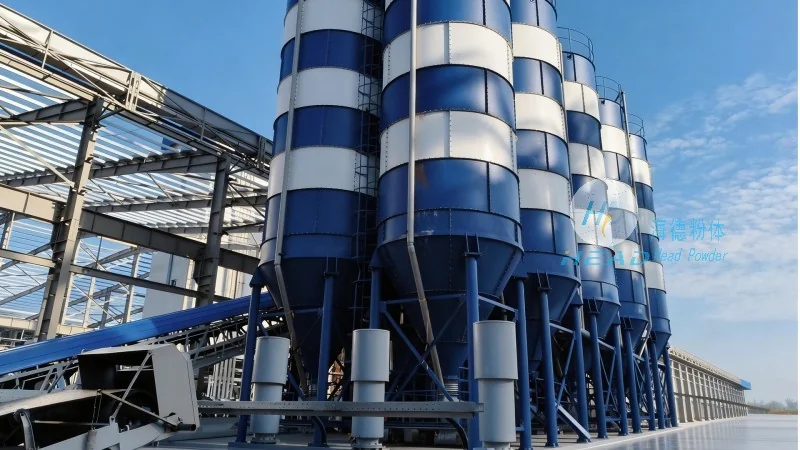
The Core Principle of Sawdust and Wood Chip Pneumatic Conveying Machines
The fundamental principle of a sawdust or wood chip pneumatic conveying machine is based on the creation of a pressure differential within a closed system. The machine draws in air and material from a hopper or storage bin, then accelerates the mixture through a pipeline using either positive pressure (blower or compressor) or negative pressure (vacuum system). The air acts as a carrier, suspending the solid particles and transporting them to the destination point, such as a processing unit, storage silo, or packaging area. This method eliminates the need for mechanical components like belts or buckets, reducing maintenance requirements and minimizing material degradation.
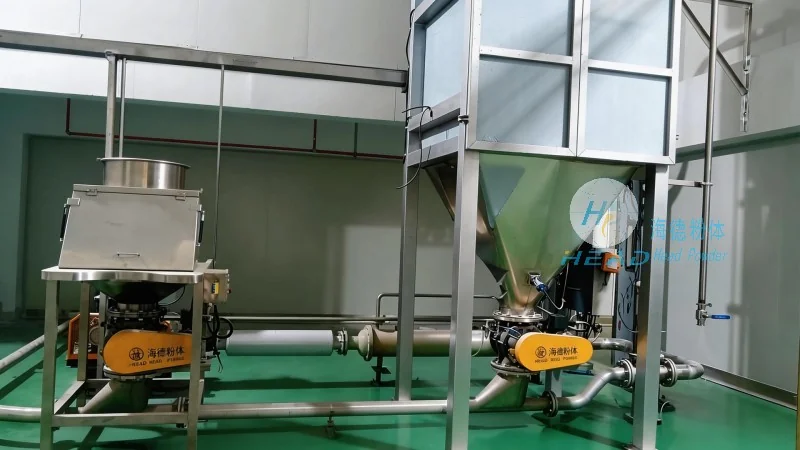
Key Working Scene Characteristics of Pneumatic Conveying Systems
The working scene characteristics of sawdust and wood chip pneumatic conveying machines are tailored to meet the specific demands of wood processing industries. These systems are designed to handle materials with varying moisture content, particle sizes, and flow properties. For example, in a sawmill, the system may need to transport freshly cut sawdust from a collection bin to a drying or pelletizing unit, where consistent material flow is essential to prevent clogging and ensure uniform product quality. In a particle board factory, the conveying system must handle larger wood chips and maintain a steady supply to the mixing and pressing machinery, which relies on precise material input for consistent board density and strength.
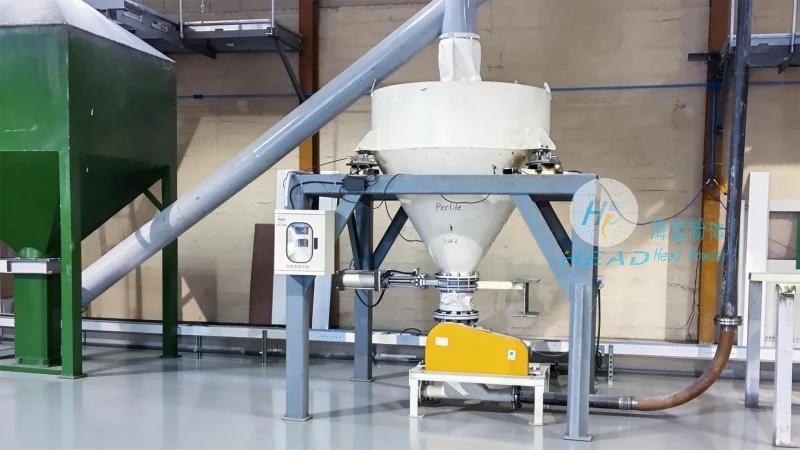
Efficiency and Advantages in Industrial Applications
When applied to sawdust and wood chip materials, pneumatic conveying systems offer several advantages over traditional mechanical conveying methods. Firstly, they provide a dust-free and hygienic transport environment, which is critical for maintaining product quality and compliance with industry standards. Secondly, the system’s flexibility allows for easy integration with existing production lines, enabling changes in material flow direction or destination without major structural modifications. Additionally, the lack of moving parts reduces wear and tear, leading to lower maintenance costs and longer equipment lifespan. For companies like Shandong HeadPowder Engineering Co., Ltd., which specializes in engineering solutions for material handling, these benefits are integral to their product design and customer service approach.
Customization and Adaptability for Diverse Processing Needs
Given the diverse nature of wood processing operations, sawdust and wood chip pneumatic conveying machines are often customized to meet specific operational requirements. Factors such as material characteristics, processing capacity, and space constraints are considered during the design phase. For instance, a system may incorporate multiple conveying lines to handle different material types simultaneously, or use variable speed drives to adjust air flow based on real-time production demands. The adaptability of these systems ensures they can operate efficiently in both small-scale woodworking shops and large-scale industrial facilities, making them a versatile solution for various working scenes.
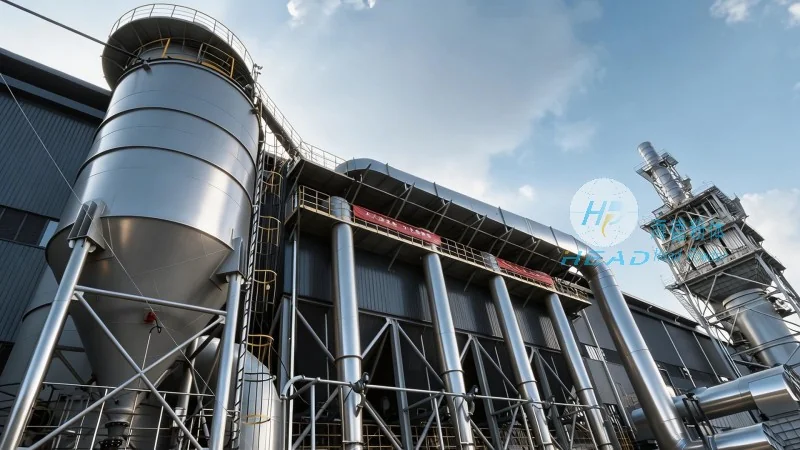
Conclusion: The Role of Pneumatic Conveying in Modern Wood Processing
In conclusion, sawdust and wood chip pneumatic conveying machines play a vital role in enhancing the efficiency and reliability of wood processing operations. By leveraging the principle of air-based material transport, these systems provide a cost-effective and low-maintenance solution for handling bulk materials. The working scene characteristics, including their ability to handle varying material properties and integrate seamlessly with production lines, make them indispensable in modern industrial settings. As a leading provider of engineering solutions, Shandong HeadPowder Engineering Co., Ltd. continues to innovate in this field, offering tailored pneumatic conveying systems that meet the evolving needs of the wood processing industry.