With more than 10‑year industry experience, Shandong Headpowder delivers full‑service pneumatic‑conveying systems and blowers, undertaking nationwide turn‑key powder‑handling projects.
HeadPowder, a leading engineering company based in Shandong, China, specializes in the design and manufacturing of advanced pneumatic conveying equipment tailored for high-calcium limestone powder materials. This article delves into the fundamental principles behind such systems and highlights the key characteristics of their operational environments, providing a comprehensive overview for industry professionals seeking efficient material handling solutions.
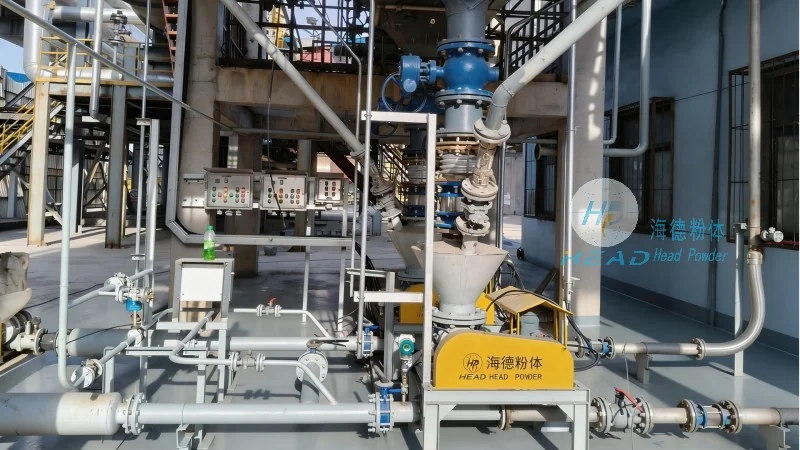
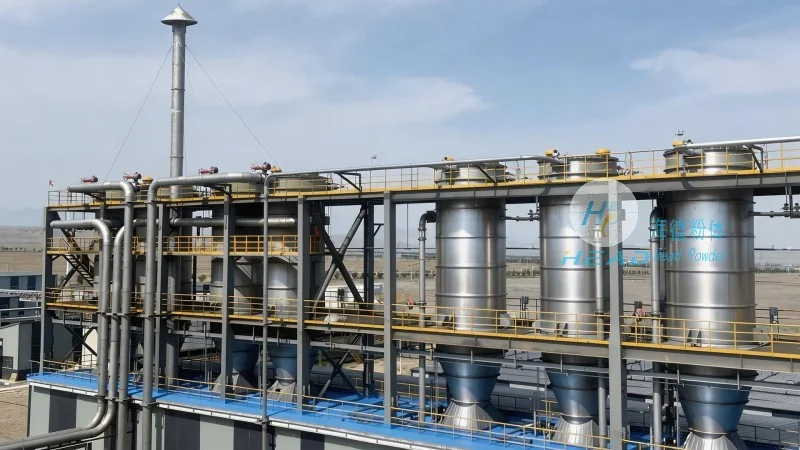
The pneumatic conveying system for high-calcium limestone powder operates on the principle of using compressed air to transport bulk materials through a pipeline network. Unlike traditional mechanical conveying methods, such as belt conveyors or bucket elevators, this technology eliminates the need for mechanical components like belts, buckets, or rollers. This design choice significantly reduces maintenance costs and enhances operational reliability, as there are fewer moving parts that can wear out or require replacement. The system typically consists of several key components: a blower or compressor to generate the necessary air pressure, a hopper or storage silo for holding the limestone powder, a pipeline system that transports the material, and a discharge point where the material is released. The process begins when compressed air is introduced into the hopper, creating a low-pressure zone. This pressure differential draws the high-calcium limestone powder into the pipeline. The air then propels the powder through the system, maintaining a consistent flow rate. The design of the system is optimized to handle the specific properties of high-calcium limestone powder, including its density (typically around 2.7 g/cm³), particle size distribution (often ranging from 0.1 to 2 mm), and flowability. The air velocity within the pipeline is carefully controlled to ensure that the powder particles are fully suspended and transported without settling or causing blockages. This requires precise engineering of the pipeline diameter, air pressure, and flow rate to match the material's characteristics. For example, higher air velocities may be needed for finer particles to prevent them from settling, while larger particles may require lower velocities to avoid excessive wear on the system components. The system also incorporates features like air classifiers and cyclone separators to separate any fine dust or particles that may be carried along with the main flow, ensuring that the discharged material meets quality standards. This separation process is crucial for maintaining the purity of the limestone powder, which is essential for its use in applications like cement production, where impurities can affect the final product's quality.
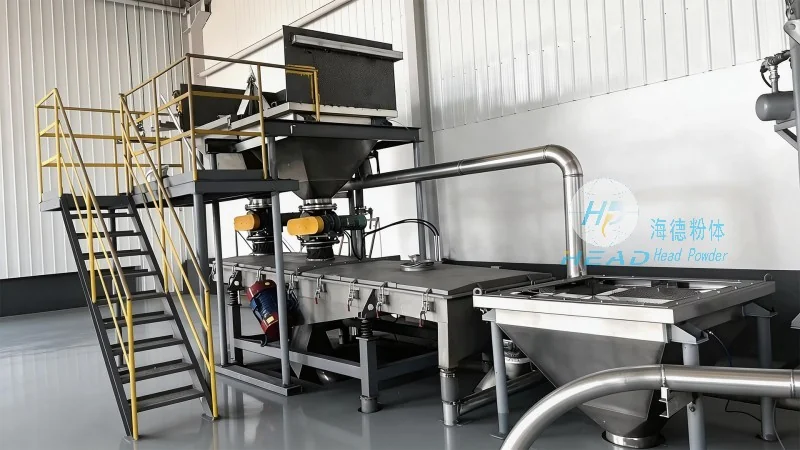
The operational environment of high-calcium limestone powder pneumatic conveying equipment is characterized by several critical factors that influence system performance and efficiency. Firstly, the material's particle size and density play a significant role. High-calcium limestone powder often has a fine particle size, typically ranging from 0.1 to 2 millimeters, which can lead to issues like dust accumulation and blockages if not properly managed. The conveying system is engineered with features like air classifiers and cyclone separators to prevent particle agglomeration and maintain consistent flow rates. These components work by using centrifugal force to separate fine particles from the main material stream, ensuring that only the desired particle size reaches the discharge point. Secondly, the system's scalability is a key characteristic. Depending on the application, the equipment can be configured for low, medium, or high-capacity operations, making it suitable for various industrial settings, from small-scale production lines to large-scale mining and processing facilities. For instance, a small-scale system might handle 1-5 tons per hour, while a large-scale system can handle up to 100 tons per hour or more. This flexibility allows HeadPowder to tailor the equipment to meet the specific needs of each client. Thirdly, the system's adaptability to different operational conditions is crucial. Factors such as temperature variations, humidity levels, and the presence of moisture in the limestone powder are considered in the design. For example, some systems incorporate drying mechanisms, such as heated air or desiccant units, to prevent moisture-related blockages. This is particularly important in regions with high humidity, where moisture can cause the limestone powder to clump together and clog the pipeline. Additionally, the system's integration with other processing equipment, such as crushers or classifiers, is a common scenario. The pneumatic conveying equipment can be seamlessly connected to these units, forming a complete material handling and processing line. This integration enhances overall operational efficiency by minimizing material handling time and reducing the risk of contamination or loss. For example, in a cement production line, the limestone powder is first crushed and then classified before being conveyed to the kiln. The pneumatic system handles this entire process efficiently, ensuring that the material is delivered to the next stage without any interruptions.
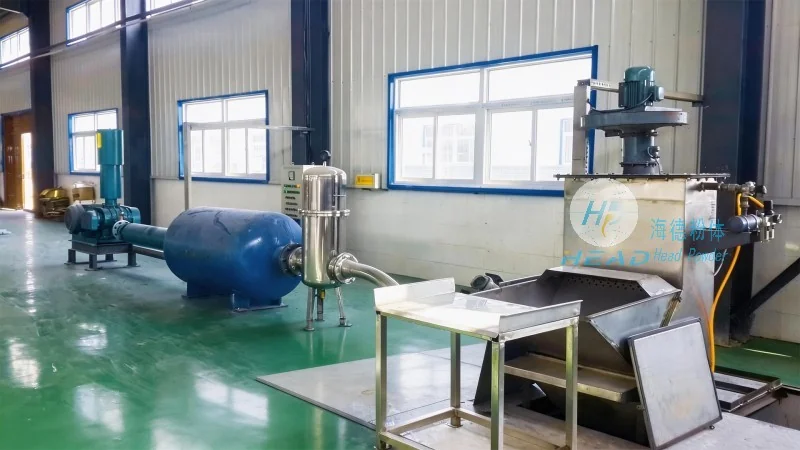
High-calcium limestone powder pneumatic conveying systems offer several advantages over traditional conveying methods. The primary benefit is the reduction in labor costs and maintenance requirements, as there are no moving parts in the pipeline that require regular servicing. This leads to lower operational expenses and increased uptime. Another advantage is the ability to handle materials in a dust-free environment, which is essential for maintaining product quality and ensuring workplace safety. The system also provides better control over material flow, allowing for precise dosing and feeding into downstream processes. In practical applications, these systems are widely used in the mining, cement, and chemical industries. For example, in cement production, high-calcium limestone powder is a key raw material, and pneumatic conveying systems efficiently transport it from storage silos to the cement kilns. In the chemical industry, the system is used to handle limestone powder for the production of calcium carbonate, where consistent particle size and purity are critical. The equipment's ability to handle large volumes of material in a continuous manner makes it ideal for high-throughput production lines, contributing to increased productivity and reduced operational downtime. Furthermore, the system's compact design allows for easier installation in existing facilities, minimizing the need for extensive site modifications. This makes it a cost-effective solution for companies looking to upgrade their material handling processes without significant capital investment. Overall, the pneumatic conveying equipment from HeadPowder provides a reliable and efficient solution for transporting high-calcium limestone powder, meeting the demands of modern industrial applications while ensuring safety and quality.

 Shandong Headpowder Engineering Co., Ltd.
 156-6277-7102(Manager Zhang)
  0531-83386006
  Zhangqiu District, Jinan City, Shandong Province, China
telephone
WeChatconsult
top