With more than 10‑year industry experience, Shandong Headpowder delivers full‑service pneumatic‑conveying systems and blowers, undertaking nationwide turn‑key powder‑handling projects.
Wheat bran, a byproduct of the milling process, is widely used in various industries including animal feed, food additives, and biofuel production. Efficient and reliable material handling is crucial for optimizing the processing workflow and maintaining product quality. Air-pneumatic conveying systems offer a versatile solution for transporting wheat bran and other similar bulk materials. This article explores the fundamental principles of air-pneumatic conveying, its working mechanisms, and the specific application scenarios where such systems excel in handling wheat bran materials.
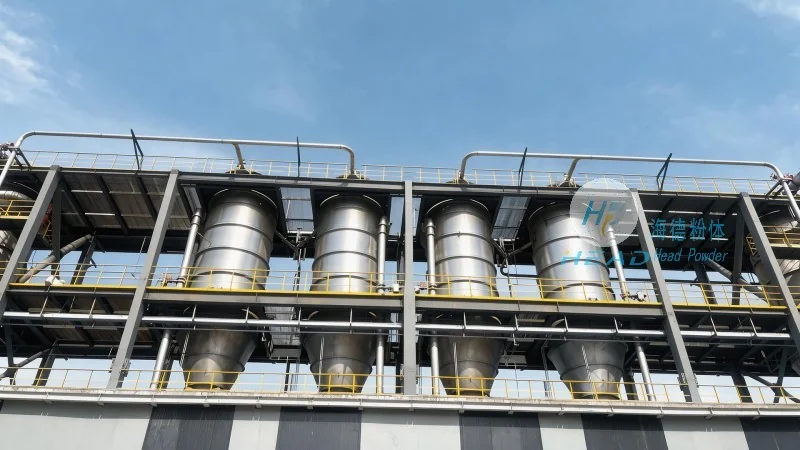
Shandong HeadPowder Engineering Co., Ltd., a leading manufacturer in the field of bulk material handling equipment, specializes in designing and manufacturing advanced air-pneumatic conveying systems tailored to the unique requirements of wheat bran processing. With years of experience and a commitment to innovation, HeadPowder provides customized solutions that enhance operational efficiency, reduce downtime, and ensure safe and hygienic material transport. The company’s products are engineered to meet the stringent standards of the food and feed industries, ensuring compliance with regulatory requirements and maintaining product integrity throughout the conveying process.
At its core, air-pneumatic conveying uses a combination of air flow and pressure differentials to move bulk materials through a pipeline system. The process involves several key components and mechanisms that work in tandem to achieve efficient material transport. The primary principle is the creation of a pressure differential between the inlet and outlet of the conveying line. By introducing air at a controlled velocity and pressure, the material is lifted and propelled through the pipeline. This method is particularly effective for wheat bran due to its relatively low density and fine particle size, which allows for smooth flow and minimal wear on the conveying system.
There are two main types of air-pneumatic conveying systems: dilute-phase and dense-phase. Dilute-phase systems operate at higher air velocities, typically moving materials in a suspended state, while dense-phase systems use lower air velocities to transport material in a more compacted form. For wheat bran, dilute-phase systems are commonly preferred as they offer higher throughput and lower energy consumption, making them ideal for large-scale processing facilities. The choice of system depends on factors such as material characteristics, distance to be conveyed, and the desired level of product preservation.
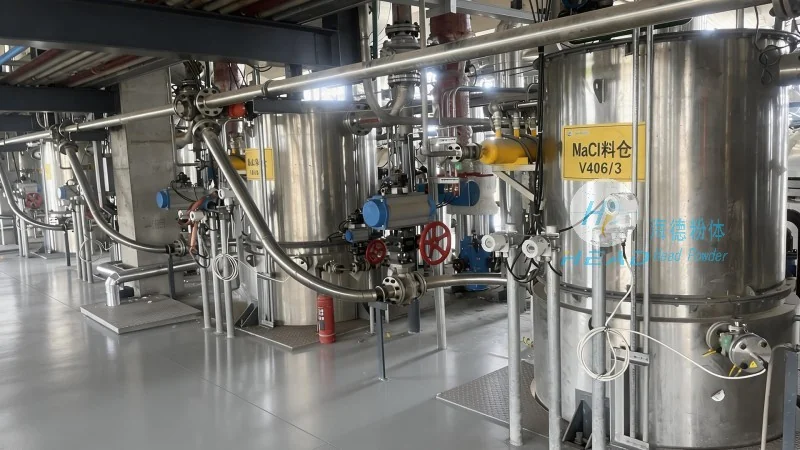
Wheat bran conveying systems are widely used in various industrial settings where bulk material handling is essential. One common application is in the feed and food processing industry, where wheat bran is used as an ingredient in animal feed formulations. The systems are designed to transport wheat bran from storage silos to mixing and processing equipment, ensuring a continuous and uninterrupted supply of raw material. This is critical for maintaining production schedules and meeting customer demand.
In the biofuel sector, wheat bran is often used as a feedstock for biogas production or as a component in bioethanol processes. Air-pneumatic conveying systems are employed to transport the bran from storage areas to the reactors or fermenters, where it is processed to produce energy or biofuels. The efficiency of these systems directly impacts the overall productivity of the biofuel plant, as any downtime in material transport can lead to significant losses.
Another important application is in the production of food additives and nutritional supplements. Wheat bran is rich in fiber and other beneficial nutrients, making it a valuable ingredient in health products. The conveying systems must maintain the quality and purity of the bran, preventing contamination and ensuring that the final product meets the required specifications. This is achieved through the use of sanitary design features, such as stainless steel construction and sealed pipelines, which are standard in HeadPowder’s conveying systems.
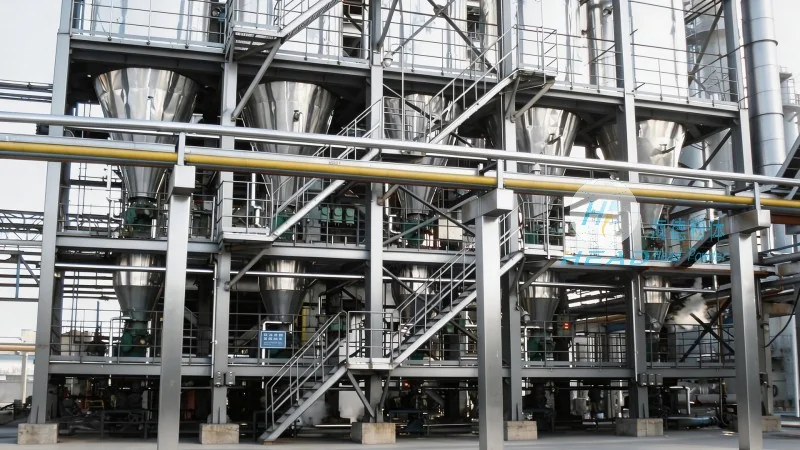
HeadPowder’s air-pneumatic conveying systems for wheat bran processing are equipped with several advanced features that enhance performance and reliability. These include adjustable air flow control, which allows operators to optimize the conveying rate based on material conditions and system requirements. The systems also feature pressure relief valves and safety interlocks to prevent over-pressurization and ensure safe operation. Additionally, the use of high-quality materials, such as stainless steel and food-grade components, ensures durability and compliance with industry standards.
The benefits of implementing HeadPowder’s conveying systems are significant. Firstly, they improve operational efficiency by reducing labor costs and minimizing downtime. The automated nature of the systems allows for continuous material transport, eliminating the need for manual handling and associated risks. Secondly, they enhance product quality by maintaining the integrity of the wheat bran, preventing segregation and contamination. This is particularly important in food and feed applications where product purity is paramount. Thirdly, the systems are energy-efficient, reducing operational costs and contributing to a more sustainable processing operation.
For industries processing wheat bran, selecting the appropriate air-pneumatic conveying system is crucial for optimizing operations and ensuring product quality. HeadPowder Engineering, with its expertise and commitment to quality, offers tailored solutions that meet the specific needs of wheat bran handling. By understanding the principles of air-pneumatic conveying and the application scenarios where it excels, businesses can make informed decisions that enhance their processing capabilities and competitiveness. With HeadPowder’s advanced systems, companies can achieve efficient, reliable, and cost-effective material transport, ultimately improving their overall performance in the market.

 Shandong Headpowder Engineering Co., Ltd.
 156-6277-7102(Manager Zhang)
  0531-83386006
  Zhangqiu District, Jinan City, Shandong Province, China
telephone
WeChatconsult
top