With more than 10‑year industry experience, Shandong Headpowder delivers full‑service pneumatic‑conveying systems and blowers, undertaking nationwide turn‑key powder‑handling projects.
HeadPowder, a leading engineering firm based in Shandong, China, specializes in the design and implementation of advanced pneumatic conveying systems for various industrial applications. This article delves into the core principles of a soybean meal powder pneumatic conveying line, exploring its operational mechanisms and the specific working environments where such systems are most effectively utilized.
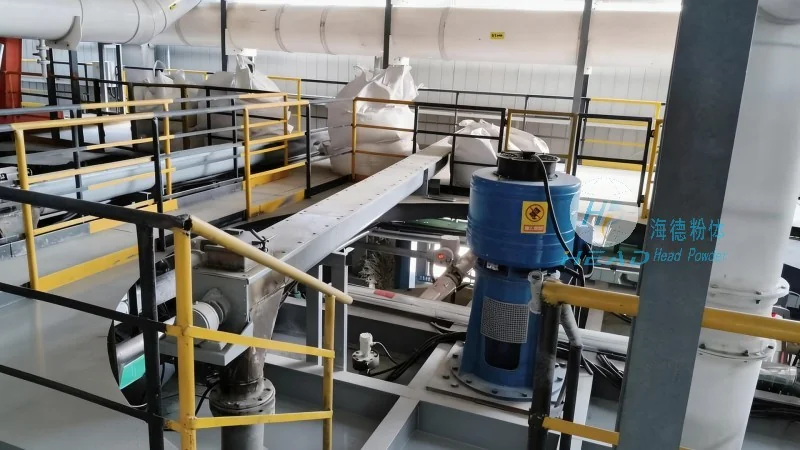
The fundamental principle of pneumatic conveying for soybean meal powder involves the use of air or gas to transport bulk material through a pipeline system. Unlike traditional mechanical conveying methods, which rely on physical contact and friction, pneumatic systems utilize pressure differentials or vacuum to move the material. In the case of soybean meal, which is a fine, particulate powder, this method offers several advantages, including reduced product degradation, minimal contamination risk, and the ability to handle materials that are sensitive to moisture or temperature changes.
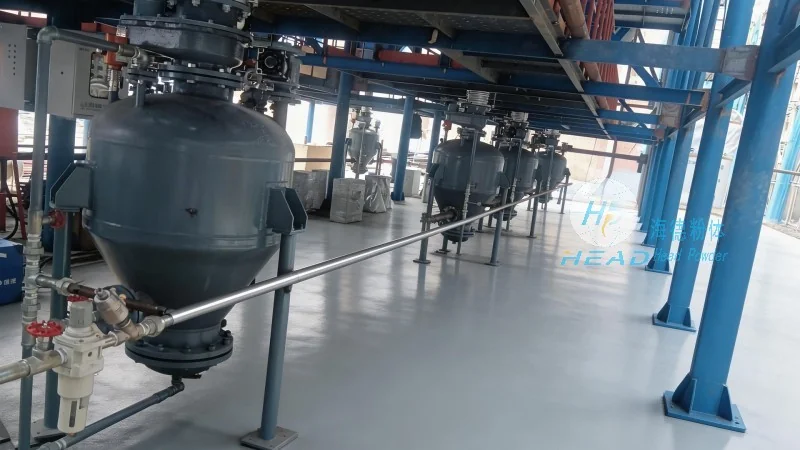
A typical soybean meal powder pneumatic conveying line consists of several critical components, each playing a vital role in the overall system. The primary components include the material feed hopper, which stores and regulates the flow of soybean meal; the conveyor line itself, which may be either positive pressure or negative pressure (or a combination of both); the air compressor or vacuum pump, which generates the necessary air flow; and the separation and filtration system, which ensures that the conveyed material is clean and free from air entrainment.
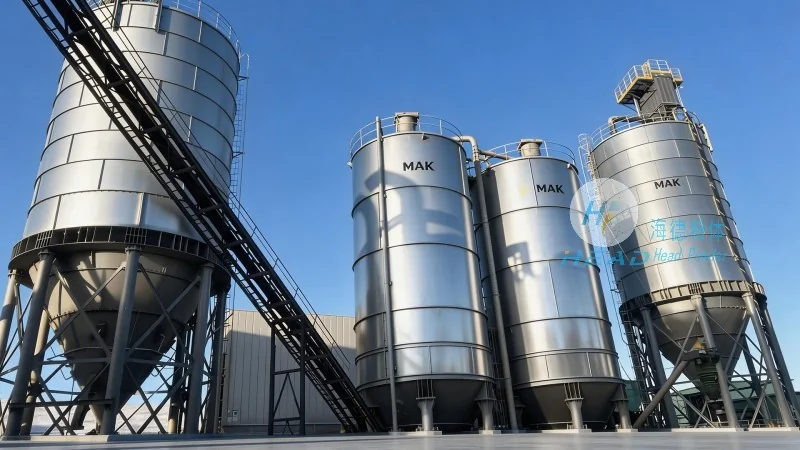
Positive pressure systems operate by blowing air into the conveyor line, pushing the material forward. This method is particularly effective for conveying materials over long distances or through complex layouts, as it can maintain consistent pressure and prevent material backflow. Negative pressure systems, on the other hand, create a vacuum in the line, drawing the material in from the source. These systems are often preferred for applications where the material is to be transported from a higher elevation to a lower one, as the vacuum helps to pull the material downward.
Soybean meal powder pneumatic conveying lines are widely used in various industrial settings, particularly in the food processing and agricultural sectors. One common application is in feed mills, where large quantities of soybean meal are transported from storage silos to processing equipment, such as mixers or extruders. The ability to handle large volumes of fine powder efficiently and hygienically makes this system ideal for food-grade applications, where product purity and safety are paramount.
In environments where traditional conveying methods are impractical or inefficient, pneumatic systems offer significant benefits. For example, in facilities where soybean meal is processed in large batches, the continuous flow capability of pneumatic conveying reduces downtime and increases production throughput. Additionally, the enclosed nature of the system minimizes dust emissions, which is crucial in compliance with environmental regulations and occupational health standards. The system's flexibility also allows for easy integration with other processing equipment, enabling seamless workflow in production lines.
While pneumatic conveying systems offer numerous advantages, proper operation and maintenance are essential to ensure optimal performance and longevity. Regular cleaning of the conveyor line and filtration system is necessary to prevent clogging and maintain air flow efficiency. The air compressor or vacuum pump must be maintained to ensure consistent pressure levels, and any wear and tear on components should be addressed promptly to avoid system failures. Additionally, monitoring the material flow rate and pressure differentials can help identify potential issues before they become major problems.
HeadPowder Engineering Co., Ltd., with its headquarters in Shandong, China, is a trusted partner in the design and implementation of soybean meal powder pneumatic conveying lines. By leveraging advanced engineering principles and industry expertise, the company provides customized solutions tailored to the specific needs of each client. Whether for small-scale feed processing or large industrial operations, HeadPowder's systems ensure reliable, efficient, and safe material transport, contributing to enhanced productivity and operational excellence in the agricultural and food processing industries.

 Shandong Headpowder Engineering Co., Ltd.
 156-6277-7102(Manager Zhang)
  0531-83386006
  Zhangqiu District, Jinan City, Shandong Province, China
telephone
WeChatconsult
top