

Principle and Working Scene Characteristics of Silage Powder Pneumatic Conveying System
Silage powder pneumatic conveying systems represent a sophisticated approach to material handling, particularly in agricultural and feed processing industries. These systems utilize air or gas as the primary medium to transport silage, a fermented forage material, from one location to another. The core principle revolves around creating a pressure differential that propels the powder through a network of pipes, ensuring efficient and continuous movement without the need for mechanical components like belts or buckets. This method not only enhances operational efficiency but also minimizes product contamination and degradation, making it ideal for handling sensitive materials such as silage.
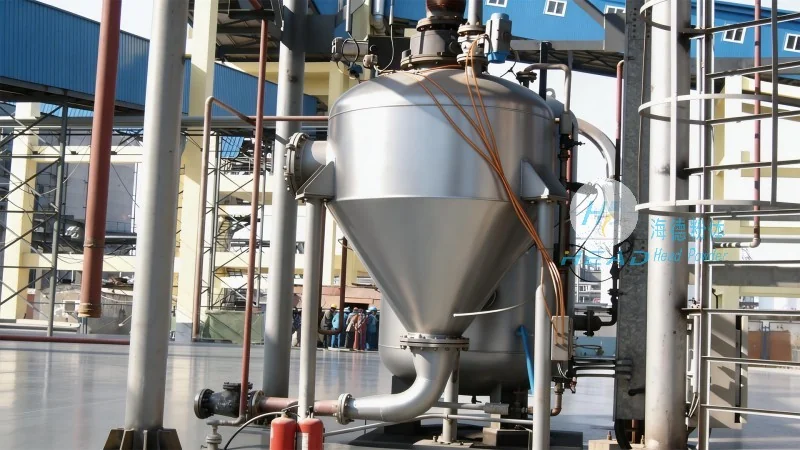
Key Components and Operational Mechanism
The effectiveness of a silage powder pneumatic conveying system depends on several critical components working in harmony. At the heart of the system is the air compressor or blower, which generates the necessary pressure to move the material. The silage is typically fed into the system via a hopper or feeder, where it is then introduced into the conveying line. As the air flows through the pipe, it entrains the silage particles, forming a dense mixture known as a "slurry" or "conveying stream." The system may include features like cyclones or filters to separate the material from the air at the discharge point, ensuring that the silage reaches its destination while the air is cleaned and recycled or vented. The design of the pipe network, including bends, elbows, and expansion joints, is crucial to maintain consistent pressure and prevent blockages, which can occur due to the fibrous nature of silage.
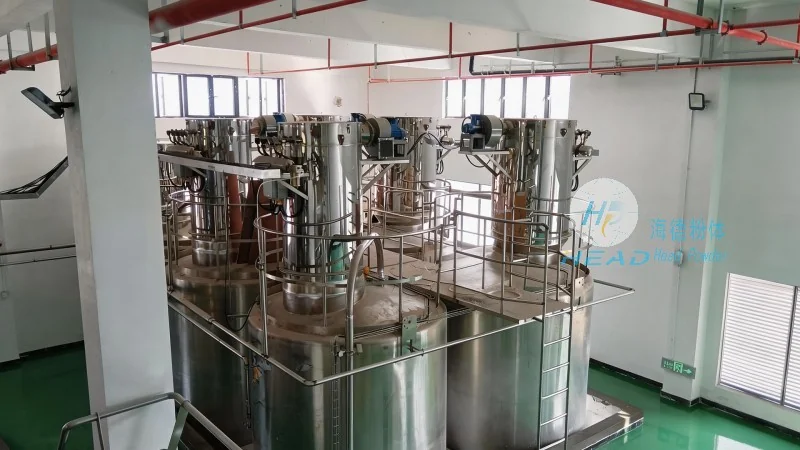
Working Scene Characteristics and Application Scenarios
The working scene characteristics of silage powder pneumatic conveying systems are tailored to meet the diverse needs of modern agricultural operations. In large-scale dairy farms or feed mills, these systems are often integrated into automated feed production lines, where they handle large volumes of silage from storage silos to processing units. The flexibility of pneumatic conveying allows for horizontal, vertical, or mixed-direction transport, adapting to the layout of the facility. For example, in a feed manufacturing plant, the system might transport silage from a silo to a mixer, ensuring a consistent blend with other ingredients. In contrast, on smaller farms or in specialized feed production settings, the system can be scaled down to handle smaller batches, providing the same level of efficiency and hygiene. The system's ability to operate in both indoor and outdoor environments, with appropriate weatherproofing and dust control measures, makes it suitable for various climatic conditions. Additionally, the system's low maintenance requirements and ability to handle abrasive materials make it a reliable choice for long-term use in agricultural settings.
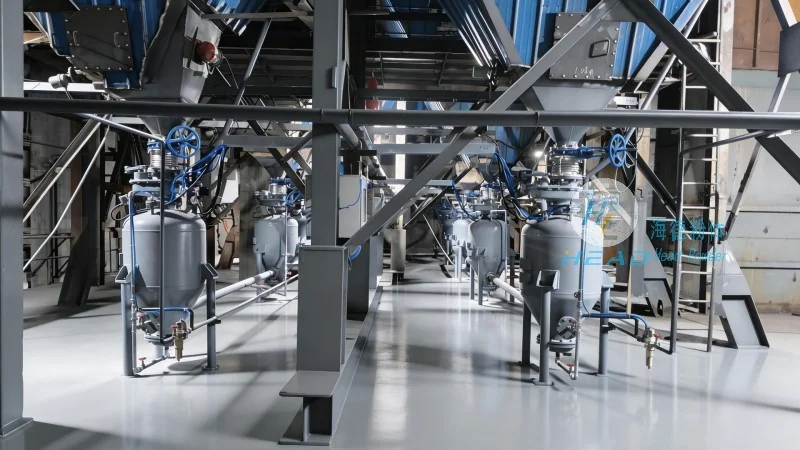
Advantages and Practical Considerations
Implementing a silage powder pneumatic conveying system offers several advantages that contribute to improved operational performance and product quality. One of the primary benefits is the reduction in labor costs, as the system automates the material handling process, minimizing the need for manual loading and unloading. The enclosed nature of the system also prevents dust and odor from spreading, enhancing workplace safety and environmental compliance. Furthermore, the system's ability to maintain consistent material flow rates ensures that downstream processes, such as mixing or processing, operate smoothly without interruptions. However, practical considerations must be addressed to ensure optimal performance. For instance, the selection of appropriate air velocities is critical to prevent material degradation or blockages, especially with fibrous silage. Regular maintenance of the air compressor and filter systems is also essential to prevent performance issues and extend the system's lifespan. Additionally, the design of the conveying line must account for the specific properties of the silage, such as its moisture content and particle size, to ensure efficient and reliable operation.
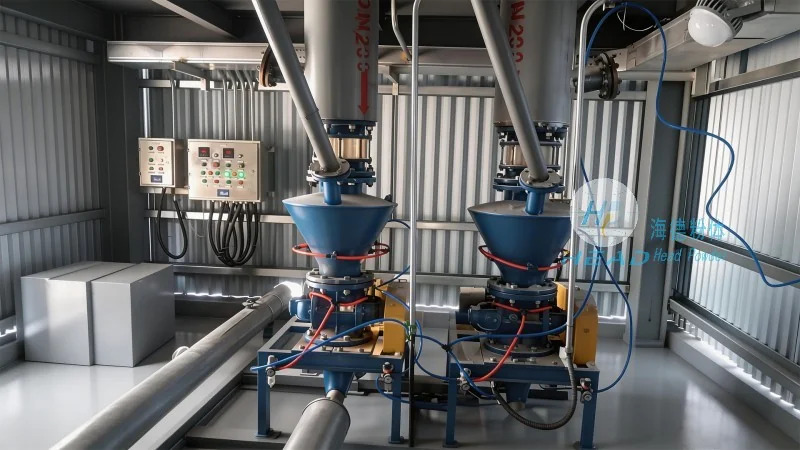
About Shandong HeadPowder Engineering Co., Ltd.
Shandong HeadPowder Engineering Co., Ltd., commonly known as headpowder, is a leading provider of advanced material handling solutions, including pneumatic conveying systems for agricultural applications. With headquarters in Shandong, China, the company specializes in designing, manufacturing, and installing customized systems tailored to the unique needs of its clients. Headpowder's expertise lies in integrating cutting-edge technology with practical engineering solutions to deliver efficient, reliable, and cost-effective material handling systems. The company's commitment to quality and customer satisfaction has established it as a trusted partner in the agricultural industry, helping farms and feed manufacturers optimize their operations and improve productivity. By leveraging its deep understanding of material properties and conveying principles, headpowder continues to innovate and provide solutions that meet the evolving demands of modern agriculture.