With more than 10‑year industry experience, Shandong Headpowder delivers full‑service pneumatic‑conveying systems and blowers, undertaking nationwide turn‑key powder‑handling projects.
Long-distance powder transport systems are critical in various industrial applications, enabling the efficient and reliable movement of bulk powders over significant distances. This article explores the fundamental principles behind such systems and highlights key working scene characteristics that define their operational effectiveness.
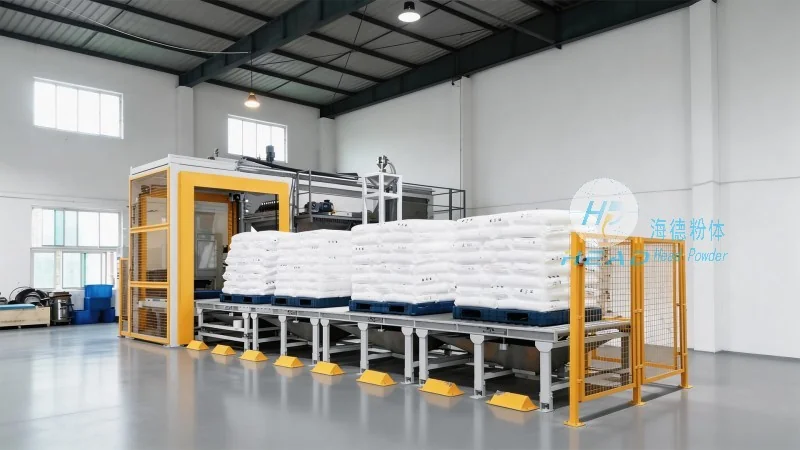
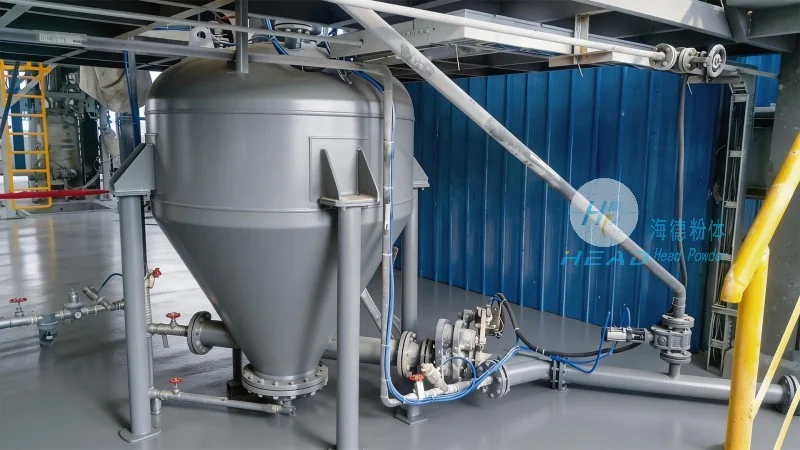
At the core of long-distance powder transport systems lies a combination of mechanical and pneumatic principles designed to handle bulk materials efficiently. The primary mechanism involves the use of air as a medium to convey powder particles through a pipeline network. This pneumatic conveying approach is based on the principle of creating a pressure differential between the inlet and outlet of the system. By generating sufficient air flow and pressure, the system can lift, transport, and discharge powders with minimal mechanical contact, reducing wear and maintenance requirements. Key components include the material hopper, which stores the powder; the air compressor or blower, which provides the necessary air pressure; the conveying line, typically made of stainless steel or other corrosion-resistant materials to prevent material degradation; and the discharge valve or receiver, which collects the transported powder at the destination. The system's efficiency is determined by factors such as the powder's physical properties (e.g., density, moisture content, particle size), the conveying distance, and the required flow rate. Advanced systems may incorporate features like pulse-jet or rotary valves to optimize air usage and prevent blockages, ensuring consistent performance under varying operational conditions.
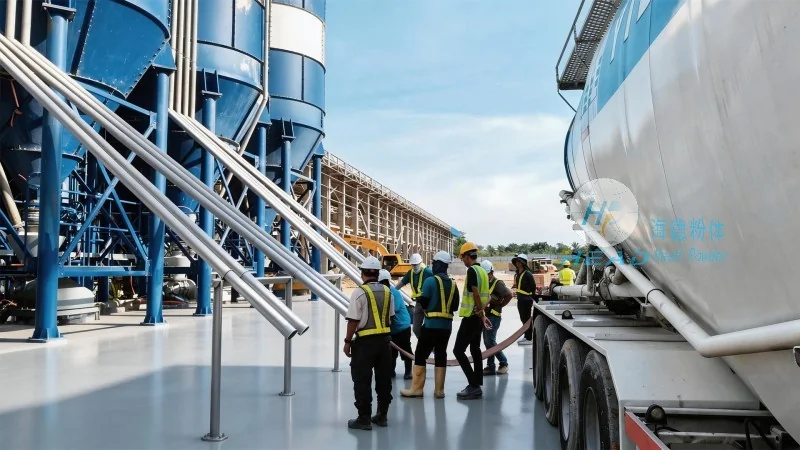
Long-distance powder transport systems are deployed in diverse industrial settings, each presenting unique challenges and requirements that influence system design and operation. One common application is in the chemical and pharmaceutical industries, where systems must handle sensitive powders with strict contamination control measures. Here, the use of stainless steel pipelines and sealed components is essential to maintain product purity and comply with regulatory standards. Another key sector is the food and beverage industry, where systems are designed to meet hygienic standards and prevent cross-contamination. This often involves the integration of CIP (Clean-In-Place) systems and easy-to-clean components, ensuring that the equipment can be sanitized without disrupting production. In the mining and minerals sector, systems are required to handle abrasive and high-volume powders over long distances, necessitating robust construction and high-capacity components. The ability to transport materials from remote mining sites to processing facilities efficiently is critical for operational productivity. Additionally, in the agricultural and fertilizer industries, long-distance transport systems are used to move bulk fertilizers from storage facilities to farms, supporting large-scale agricultural operations. The systems must be capable of handling varying particle sizes and moisture levels, adapting to seasonal changes and different fertilizer types. The working scene characteristics also include the need for flexibility in conveying different materials, as many industrial facilities process multiple product lines. This requires modular system designs that can be easily reconfigured or expanded to accommodate new materials or increased production demands. Furthermore, the operational environment, such as ambient temperature and humidity, can impact system performance. For example, in cold climates, systems may need insulation to prevent material freezing or condensation, which could affect flow and cause blockages. In hot climates, cooling systems may be required to maintain optimal air temperature and prevent overheating of components. The integration of sensors and monitoring systems is also a key characteristic, as it allows for real-time tracking of material flow, pressure, and temperature, enabling proactive maintenance and troubleshooting. This enhances system reliability and reduces downtime, which is crucial for continuous production in industrial settings.
HeadPowder, a leading provider of long-distance powder transport solutions, is dedicated to delivering high-quality, reliable equipment tailored to the specific needs of industrial clients. With a focus on innovation and customer satisfaction, the company offers a range of systems designed to enhance operational efficiency and reduce costs. HeadPowder Engineering Co., Ltd., based in Shandong, China, leverages advanced engineering and manufacturing capabilities to develop customized solutions that meet the unique requirements of various industries. The company's commitment to quality and service ensures that clients receive not only efficient equipment but also comprehensive support throughout the system's lifecycle. By combining expertise in pneumatic conveying technology with a deep understanding of industrial applications, HeadPowder provides systems that are durable, easy to maintain, and capable of handling a wide range of powder types and operational conditions. The company's products are designed to improve productivity, minimize downtime, and ensure compliance with industry standards, making them a trusted choice for businesses seeking reliable long-distance powder transport solutions.

 Shandong Headpowder Engineering Co., Ltd.
 156-6277-7102(Manager Zhang)
  0531-83386006
  Zhangqiu District, Jinan City, Shandong Province, China
telephone
WeChatconsult
top