

Principle and Working Scene Characteristics of Trilayer Positive Electrode Material Powder Conveyors
Trilayer positive electrode material powder conveyors are specialized equipment designed for the efficient handling and transportation of fine powders used in lithium-ion battery production. These systems are engineered to meet the stringent requirements of modern battery manufacturing, ensuring precise material flow and minimal contamination. The technology behind these conveyors combines advanced pneumatic or mechanical principles to deliver reliable performance in high-purity environments.
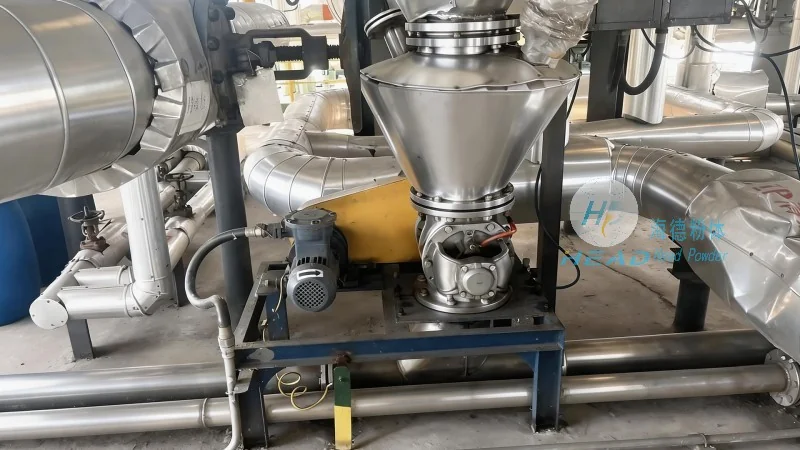
Core Principles of Powder Conveying Technology
The operation of trilayer positive electrode material powder conveyors is based on fundamental principles of powder handling. Key mechanisms include air-assisted transport, where compressed air is used to create a flow of particles through a pipeline, and mechanical screw or auger systems that move materials through enclosed channels. These methods are chosen based on the specific properties of the trilayer positive electrode powders, such as particle size, density, and moisture content. The design of the conveyor system must account for factors like material segregation, dust control, and energy efficiency to optimize performance in battery production lines.
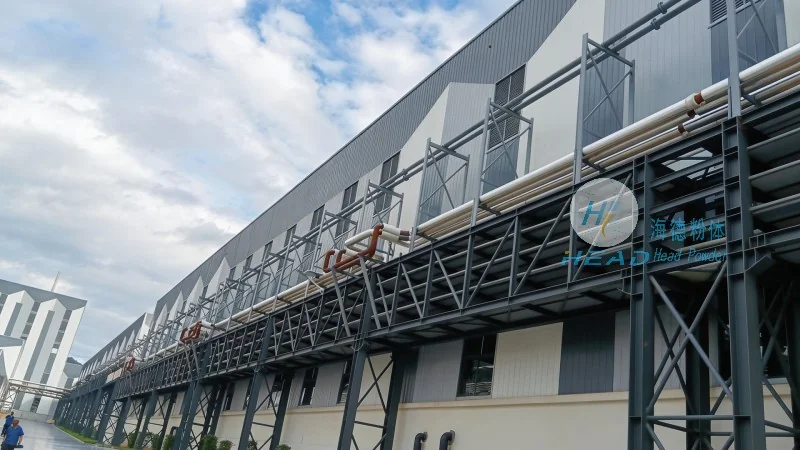
Working Scene Characteristics in Battery Manufacturing
In the context of lithium-ion battery production, trilayer positive electrode material powder conveyors are deployed in various critical work scenarios. These include material transfer from raw material storage to mixing and coating lines, as well as intra-line transportation between different processing stages. The equipment is typically integrated into automated production lines, where it operates under controlled environmental conditions to maintain material purity. For instance, in a typical battery cell manufacturing facility, the conveyor system may be responsible for transporting high-purity NCM (nickel-cobalt-manganese) or NCA (nickel-cobalt-aluminum) powders to the electrode slurry preparation area. The working scene often involves high-volume, continuous operation, requiring the conveyor to handle large batches of material while maintaining consistent flow rates and particle size distribution.
Key Features and Technical Specifications
Shandong HeadPowder Engineering Co., Ltd. specializes in designing and manufacturing trilayer positive electrode material powder conveyors that are tailored to the unique demands of battery manufacturers. The company’s equipment features several key attributes, including robust construction to withstand abrasive powders, advanced filtration systems to prevent dust emissions, and precise control mechanisms for maintaining consistent material flow. Technical specifications may vary based on the application, but common features include adjustable air pressure controls, variable speed drives, and modular components that allow for easy maintenance and upgrades. The conveyors are also designed with safety considerations in mind, such as explosion-proof designs for handling flammable powders and emergency shut-off systems to prevent accidents.
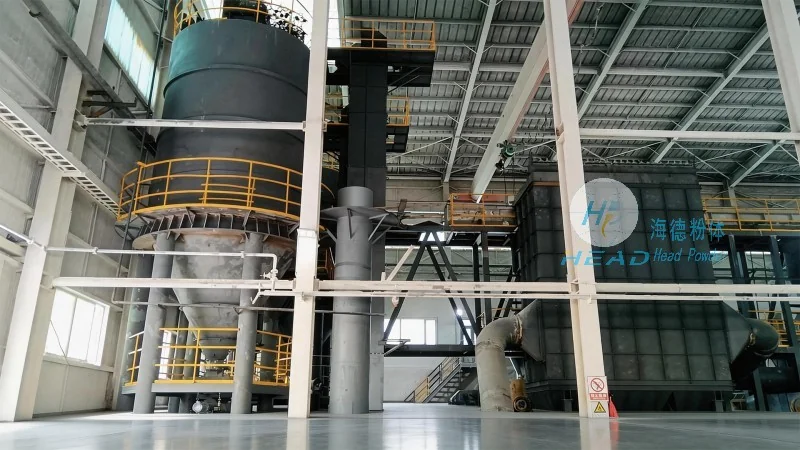
Application Scenarios and Operational Benefits
The working scene characteristics of trilayer positive electrode material powder conveyors are directly linked to their operational benefits in battery production. By ensuring efficient and clean material transfer, these systems contribute to higher product quality and reduced waste. The ability to handle fine powders without agglomeration or segregation minimizes the risk of defects in the final battery cells. Additionally, the automated nature of the conveyors reduces labor costs and improves production throughput, making them a critical component of modern battery manufacturing facilities. In scenarios where material purity is paramount, such as in the production of high-energy-density batteries, the conveyor’s ability to maintain low contamination levels is essential for meeting industry standards and regulatory requirements.