

Principle and Working Scene Characteristics of Bulk Material Conveying Lines from Silos
For industrial operations that rely on the efficient handling of bulk materials, the silo bulk material conveying line stands as a critical component in ensuring smooth material flow from storage to processing units. This system is designed to facilitate the transfer of powders and granules from silos, which are commonly used for bulk material storage, to downstream equipment such as mixers, reactors, or packaging machines. The effectiveness of these conveying lines is directly tied to their ability to maintain material integrity, minimize dust generation, and adapt to varying operational conditions. In this context, understanding the underlying principles and the specific characteristics of different working scenarios becomes essential for optimizing performance and reliability.
The Core Principle of Silo Bulk Material Conveying
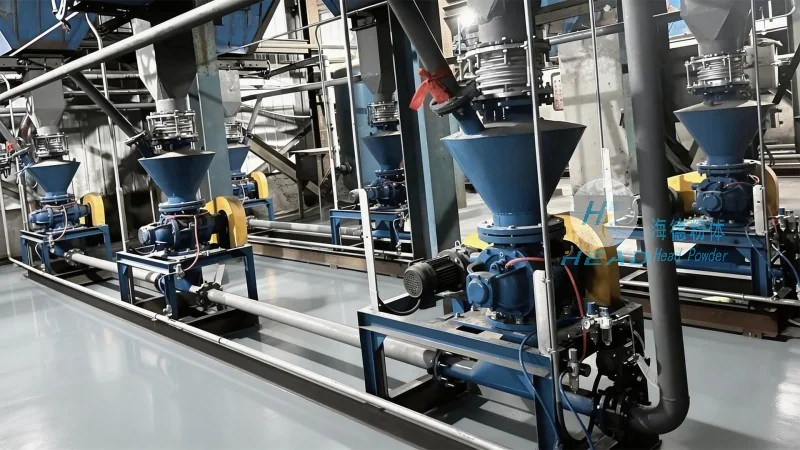
The fundamental principle of silo bulk material conveying lines revolves around the mechanical or pneumatic transfer of materials from a silo's storage chamber to the point of use. At the heart of this process is the silo's discharge mechanism, which can be either gravity-based or assisted by auxiliary equipment. Common discharge devices include star valves, rotary valves, and bottom outlet gates, each tailored to the material's properties—such as flowability, moisture content, and particle size. Once the material is discharged from the silo, it is typically conveyed through a pipeline system. For dry, free-flowing powders, pneumatic conveying systems are often employed, where air is used to create a flow of material through the pipeline. This method is particularly effective for materials that are prone to dusting or require a dust-free environment. Alternatively, mechanical conveying systems, such as screw conveyors or belt conveyors, are used for bulkier or more abrasive materials. The choice of conveying method depends on factors like material characteristics, distance to be conveyed, and the desired level of dust control.
Key Working Scene Characteristics
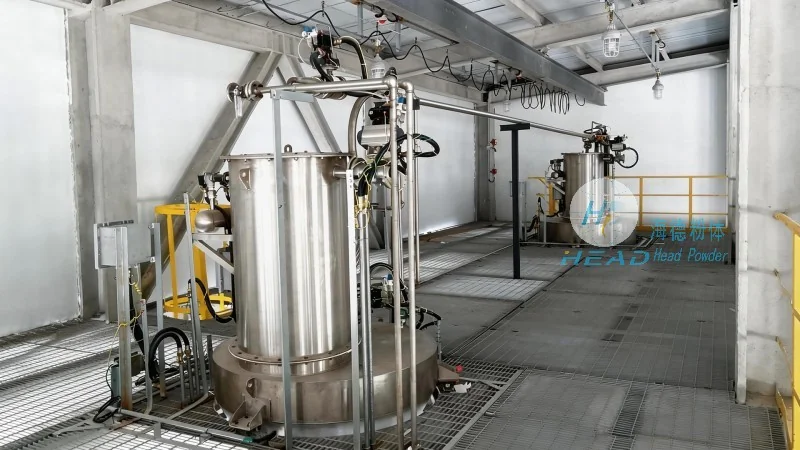
The working scene characteristics of silo bulk material conveying lines vary significantly based on the industry and the specific application. For instance, in the chemical industry, conveying lines must often handle corrosive or reactive powders, requiring materials of construction that resist chemical attack, such as stainless steel or specialized alloys. The system design may also incorporate explosion-proof features to mitigate risks associated with flammable materials. In the food and beverage industry, hygiene and sanitation are paramount. Conveying lines in this sector are typically constructed from food-grade materials, such as stainless steel with smooth surfaces, and are equipped with easy-to-clean components to prevent contamination. Additionally, dust control is critical to maintain product quality and ensure a safe working environment. In pharmaceutical manufacturing, the conveying line must operate in a cleanroom environment, with features like sealed systems, HEPA filters, and minimal dead zones to prevent cross-contamination. The system may also be integrated with automated controls to ensure precise material dosing and maintain compliance with regulatory standards.
Application Examples and Operational Advantages
Real-world applications of silo bulk material conveying lines span across multiple sectors, demonstrating their versatility and adaptability. In the cement industry, these systems are used to transfer raw materials like limestone and clay from silos to grinding mills, where precise control over material flow is essential for optimizing the grinding process. In the agricultural sector, conveying lines are employed to move bulk feed ingredients from storage silos to feed mills, ensuring consistent mixing and feeding rates for livestock. The operational advantages of these systems include improved material handling efficiency, reduced labor costs, and enhanced safety by minimizing manual handling of powders. Additionally, the ability to integrate with automation systems allows for real-time monitoring and control, leading to better process optimization and reduced downtime. The reliability of the conveying line is also a key factor, as disruptions in material flow can impact production schedules and overall plant performance.
Company Background and Expertise
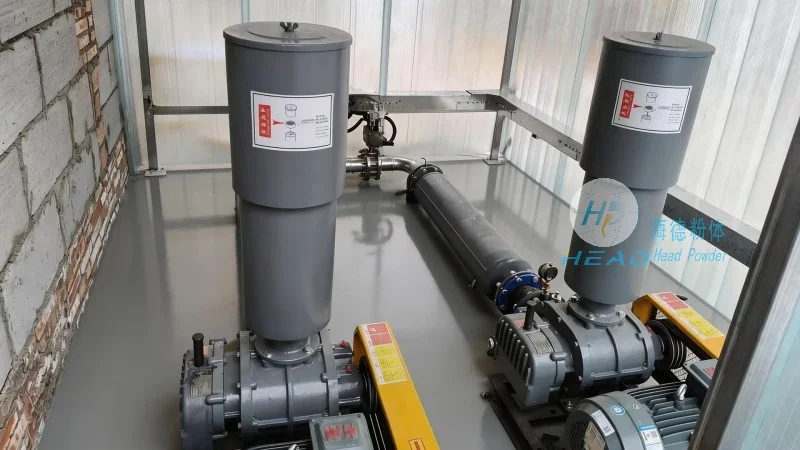
Shandong HeadPowder Engineering Co., Ltd., based in Shandong, China, specializes in the design, manufacturing, and installation of bulk material handling systems, including silo bulk material conveying lines. With years of experience in the industry, the company has developed a deep understanding of the diverse requirements of different applications, enabling them to provide customized solutions that meet specific operational needs. The company's team of engineers and technicians is equipped with advanced knowledge and expertise in material flow dynamics, conveying technology, and system integration. By leveraging cutting-edge design software and rigorous testing protocols, HeadPowder ensures that each conveying line is optimized for performance, durability, and safety. The company's commitment to quality and customer satisfaction is reflected in its adherence to international standards and its focus on delivering reliable, long-lasting solutions to clients worldwide.