

Principles and Application Scenarios of Dust Powder Conveying
Understanding the mechanics and operational characteristics of dust powder conveying is crucial for industries that handle fine particulate materials. This article explores the fundamental principles behind dust powder conveying systems and highlights key application scenarios where these technologies are employed, providing insights into their effectiveness and practical implementation.
Introduction to Dust Powder Conveying
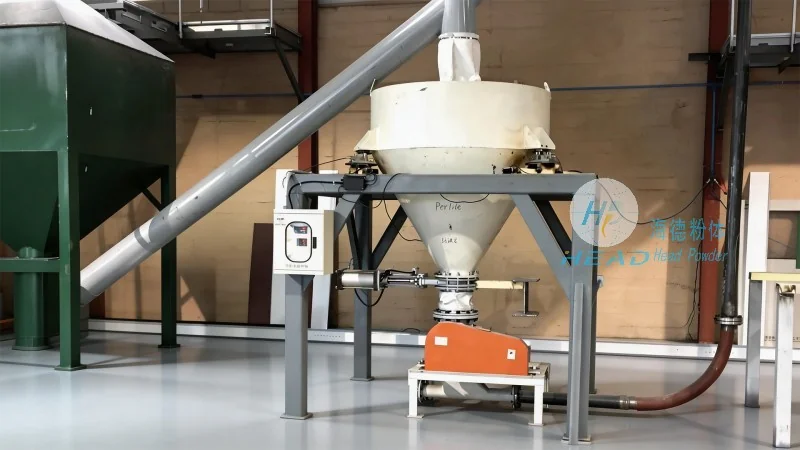
Dust powder conveying refers to the process of transporting dry, fine particulate materials such as powders, granules, or dust through a conveying system. These materials are typically transported using air or mechanical forces, depending on the specific requirements of the application. The primary goal of dust powder conveying is to move these materials efficiently and safely from one location to another, often in industrial settings where large volumes of such materials are handled daily.
Core Principles of Dust Powder Conveying
The fundamental principles of dust powder conveying revolve around the physics of material movement and the design of the conveying system. Key principles include the use of air pressure differentials, mechanical agitation, or a combination of both to move the material. For example, in pneumatic conveying systems, air is used to create a flow that carries the powder particles through a pipeline. The pressure drop along the pipeline and the velocity of the air are critical factors that determine the efficiency of the conveying process. Mechanical conveying systems, on the other hand, rely on components like screws, belts, or buckets to physically move the material. The choice between pneumatic and mechanical systems depends on factors such as the material's properties, the distance to be covered, and the required throughput.
Key Components and Mechanisms
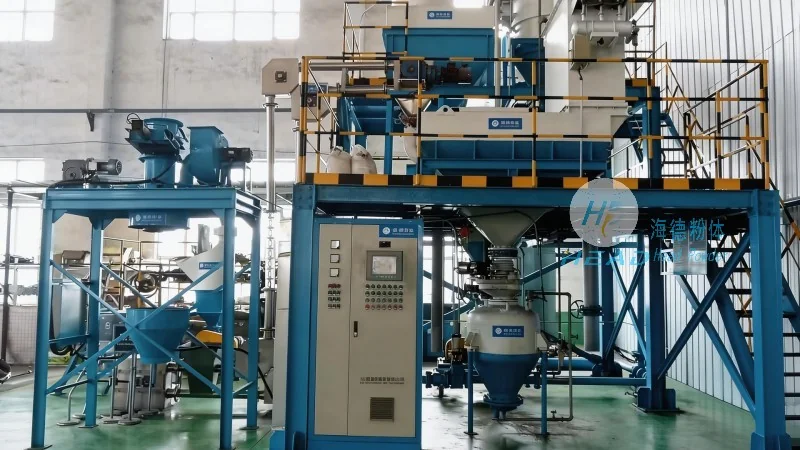
Effective dust powder conveying systems consist of several key components that work in tandem to ensure smooth operation. These components include the feed hopper, which holds the material and controls the flow rate; the conveying line, which transports the material from the source to the destination; and the discharge unit, which releases the material at the end of the line. In pneumatic systems, additional components such as air compressors, filters, and cyclones are used to manage the air flow and separate the material from the air. The design of these components is critical to the overall performance of the system, as any inefficiencies can lead to material degradation, increased energy consumption, or operational issues.
Application Scenarios of Dust Powder Conveying
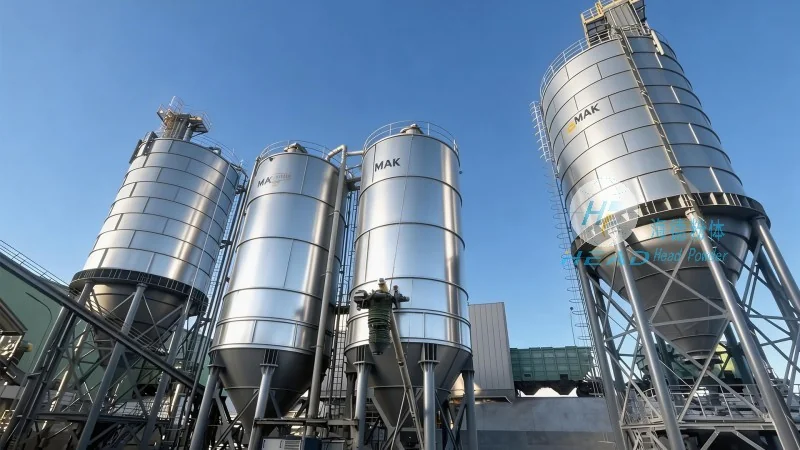
Dust powder conveying is widely used across various industries due to its versatility and efficiency. One common application is in the pharmaceutical industry, where fine powders need to be transported without contamination or degradation. The use of closed systems and sterile conveying methods is essential in this sector to maintain product quality and safety. Another key application is in the food processing industry, where powders such as flour, sugar, or spices are transported between processing units. The systems used here must be hygienic and easy to clean to comply with food safety regulations. In the chemical industry, dust powder conveying is used to transport raw materials and finished products, often in hazardous environments where explosion-proof designs are required. The chemical industry also benefits from the ability to handle materials with varying moisture content and particle sizes.
Industrial Case Study: Shandong HeadPowder Engineering Co., Ltd.
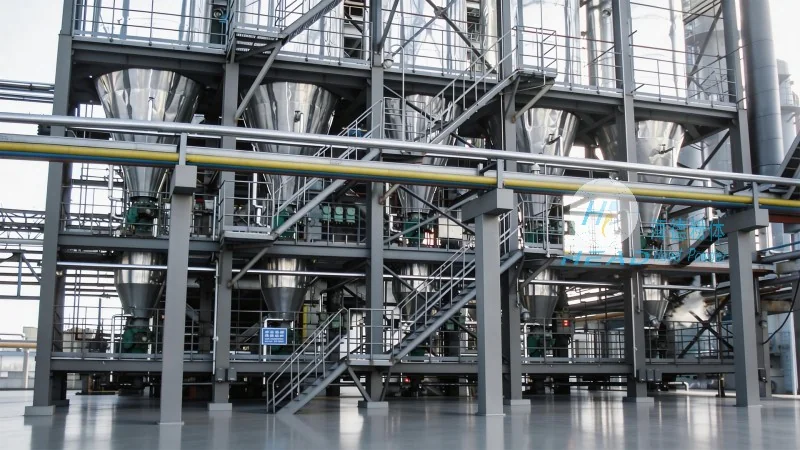
Shandong HeadPowder Engineering Co., Ltd., a leading provider of dust powder conveying solutions, specializes in designing and manufacturing customized conveying systems tailored to the specific needs of their clients. With operations based in Shandong, China, the company has extensive experience in serving a wide range of industries, from pharmaceuticals to chemicals and food processing. Their expertise lies in understanding the unique challenges of each application and developing solutions that optimize material handling efficiency while ensuring safety and compliance. The company's products are known for their durability, reliability, and energy efficiency, making them a preferred choice for businesses looking to improve their material handling processes.
Conclusion and Practical Considerations
Understanding the principles and application scenarios of dust powder conveying is essential for industries that rely on the efficient movement of fine particulate materials. By selecting the appropriate conveying system and components, businesses can enhance their operational efficiency, reduce costs, and ensure the safe handling of materials. As technology advances, the design of dust powder conveying systems continues to evolve, with innovations aimed at improving performance, reducing energy consumption, and enhancing safety features. For industries in China, particularly in Shandong, companies like Shandong HeadPowder Engineering Co., Ltd. play a vital role in providing tailored solutions that meet the specific demands of modern material handling.