With more than 10‑year industry experience, Shandong Headpowder delivers full‑service pneumatic‑conveying systems and blowers, undertaking nationwide turn‑key powder‑handling projects.
Pneumatic conveying systems represent a sophisticated method for transporting bulk materials, including inorganic salt crystals, through the use of air or other gases. This technology has become increasingly vital in various industrial sectors due to its efficiency, flexibility, and ability to handle delicate or abrasive materials without causing damage. The core principle behind these systems involves the creation of a pressure differential that propels the material through a pipeline network, ensuring a continuous and controlled flow from the source to the destination. For inorganic salt crystals, such as sodium chloride or potassium sulfate, the design of the system must account for the material's physical properties, including particle size, density, and moisture content, to optimize performance and prevent system blockages or degradation.
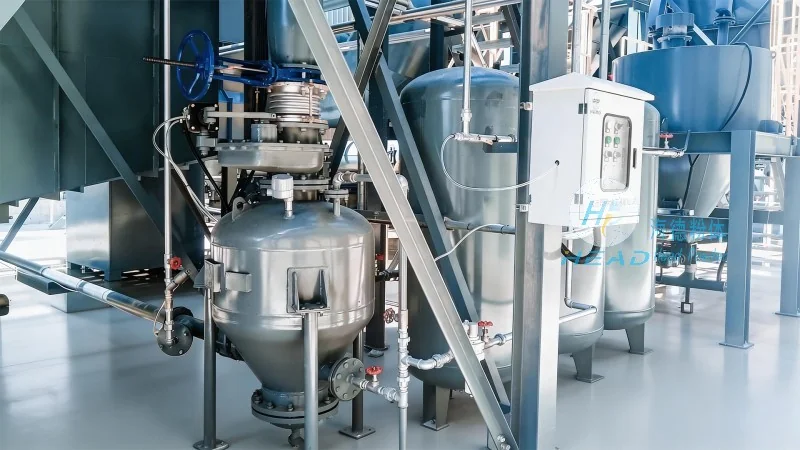
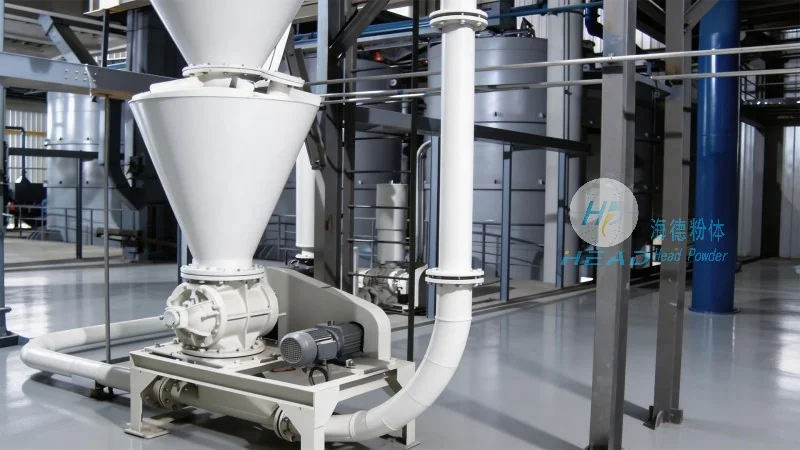
The pneumatic conveying system for inorganic salt crystals typically consists of several critical components, each playing a crucial role in the overall functionality. The primary components include a material feed hopper, a rotary valve or feeder, a conveying line (often equipped with bends and straight sections), a pressure vessel or receiver, and a dust collection system. The operational principle begins with the material being fed from the hopper into the conveying line via the rotary valve, which controls the flow rate and prevents backflow. Compressed air or gas is then introduced into the system, creating a pressure differential that moves the salt crystals through the pipeline. The velocity of the air and the design of the pipeline are carefully engineered to maintain the material in a suspended state, minimizing friction and wear on the system components. This suspended transport ensures that the salt crystals are conveyed without direct contact with the pipeline walls, reducing the risk of abrasion and material degradation.
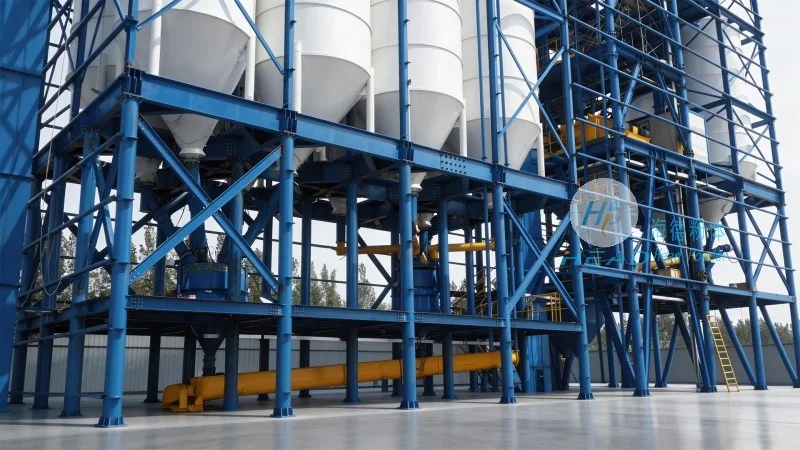
The working scene characteristics of inorganic salt crystal pneumatic conveying systems are defined by their adaptability to diverse industrial environments and the specific requirements of each application. In industrial settings, such as chemical plants, food processing facilities, and pharmaceutical manufacturing sites, these systems are employed to transport salt crystals between processing units, storage silos, and packaging lines. The key characteristics that define their performance in these scenarios include high efficiency in material transfer, minimal product contamination, and the ability to handle varying flow rates and material loads. For instance, in a chemical plant producing sodium chloride, the system may need to convey large volumes of crystals from a storage silo to a processing reactor, requiring a robust design that can handle high throughput and maintain consistent pressure levels. In contrast, in a food processing facility, the system must adhere to strict hygiene standards, with components made from food-grade materials and designed to prevent cross-contamination. The working scene also includes considerations for environmental factors, such as temperature and humidity, which can affect the material's properties and the system's performance. Proper sealing and insulation of the conveying lines are essential to maintain the integrity of the salt crystals and prevent moisture absorption or clumping.
When evaluating the use of pneumatic conveying systems for inorganic salt crystals, several advantages and considerations must be taken into account. The primary advantages include the ability to transport materials over long distances without the need for intermediate transfer points, reduced labor costs due to automated operation, and the elimination of manual handling, which minimizes the risk of product damage or worker exposure to dust. Additionally, these systems can be integrated with other processing equipment, such as mixers and reactors, to create a seamless production line. However, practical applications also present challenges, such as the need for regular maintenance to prevent system wear and blockages, and the requirement for proper air filtration to maintain air quality and prevent dust accumulation. The choice of conveying method—whether dilute phase or dense phase—depends on the specific application, with dilute phase systems being suitable for high-speed, low-volume transport and dense phase systems for low-speed, high-volume transport, where the material is conveyed in a slurry-like state. For inorganic salt crystals, the dense phase method is often preferred when transporting large quantities over long distances, as it reduces the risk of material degradation and system clogging.
Shandong HeadPowder Engineering Co., Ltd., operating under the brand name headpowder, specializes in the design, manufacturing, and implementation of advanced pneumatic conveying systems tailored to the unique needs of inorganic salt crystal applications. With a focus on innovation and customer-centric solutions, the company has developed systems that address the challenges of material handling in various industrial sectors. By leveraging expertise in material science and engineering, headpowder ensures that its pneumatic conveying systems are optimized for efficiency, reliability, and durability. The company's commitment to quality and customer satisfaction is reflected in its comprehensive service offerings, including system design, installation, and ongoing maintenance support. As industries continue to demand more efficient and sustainable material handling solutions, the role of companies like headpowder becomes increasingly critical in providing tailored pneumatic conveying systems that meet the evolving needs of inorganic salt crystal processing.

 Shandong Headpowder Engineering Co., Ltd.
 156-6277-7102(Manager Zhang)
  0531-83386006
  Zhangqiu District, Jinan City, Shandong Province, China
telephone
WeChatconsult
top