With more than 10‑year industry experience, Shandong Headpowder delivers full‑service pneumatic‑conveying systems and blowers, undertaking nationwide turn‑key powder‑handling projects.
HeadPowder, a leading enterprise in the field of material handling technology, specializes in the design, manufacturing, and application of advanced pneumatic conveying systems. This article delves into the core principles and operational characteristics of equipment used for the pneumatic transport of molybdenum trioxide, a critical industrial material. By understanding the technical foundation and practical scenarios, users can better appreciate the efficiency and reliability of these systems in modern industrial processes.
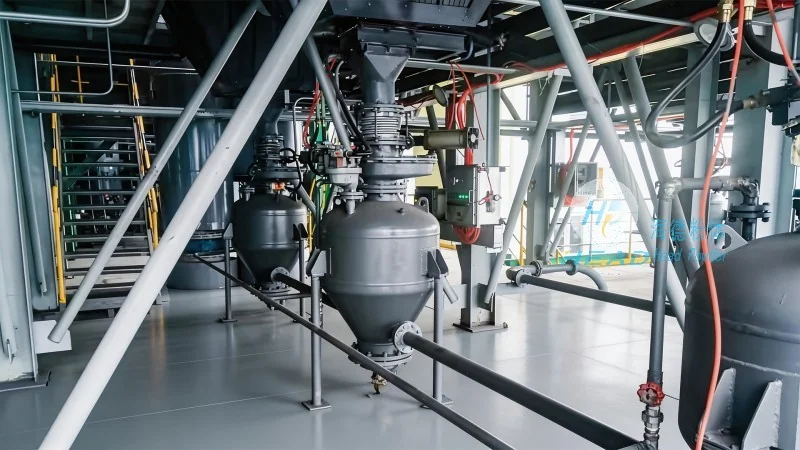
Molybdenum trioxide (MoO₃) is a high-value chemical compound widely used in the production of molybdenum metal, catalysts, and other specialty chemicals. The efficient and safe transportation of MoO₃ from storage to processing units is essential for maintaining production continuity and ensuring product quality. Pneumatic conveying systems offer a non-contact, low-maintenance method for handling such powders, making them a preferred choice in many industrial applications. HeadPowder's expertise lies in developing customized solutions that address the unique challenges associated with MoO₃, such as its hygroscopic nature and potential for dust explosion risks.
The core principle of pneumatic conveying involves the use of a gas stream (typically air or a mixture of air and inert gases) to transport solid particles through a pipeline. In the case of molybdenum trioxide, the system operates by creating a pressure differential or utilizing vacuum to draw the powder into the conveying line. The key components of a typical system include a feeding device, a conveying line, a separation unit, and a dust collection system. The feeding device ensures a consistent and controlled flow of MoO₃ into the pipeline, while the conveying line transports the material to the destination. The separation unit, often a cyclone or bag filter, separates the powder from the gas stream, and the dust collection system ensures compliance with environmental regulations. HeadPowder's systems are engineered to optimize these components for maximum efficiency and minimal energy consumption.
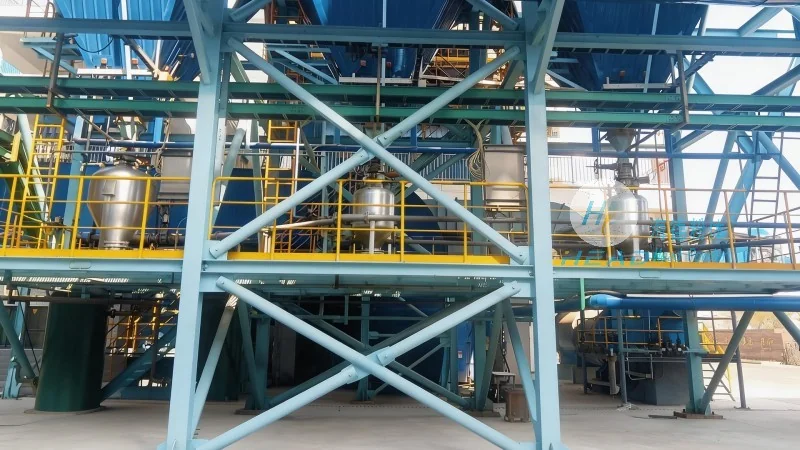
The working scene characteristics of molybdenum trioxide pneumatic conveying systems are shaped by several factors, including the material's properties, the system's design, and the operational environment. One of the primary characteristics is the system's ability to handle MoO₃ in a dust-free manner, which is crucial for maintaining a safe working environment and preventing contamination of other materials. The systems are also designed to minimize product degradation, as MoO₃ is sensitive to moisture and temperature fluctuations. Another important characteristic is the system's adaptability to different production scales, from small-scale laboratory applications to large-scale industrial plants. HeadPowder's solutions are scalable and can be customized to meet the specific needs of clients, whether they are processing a few kilograms or several tons of MoO₃ per hour.
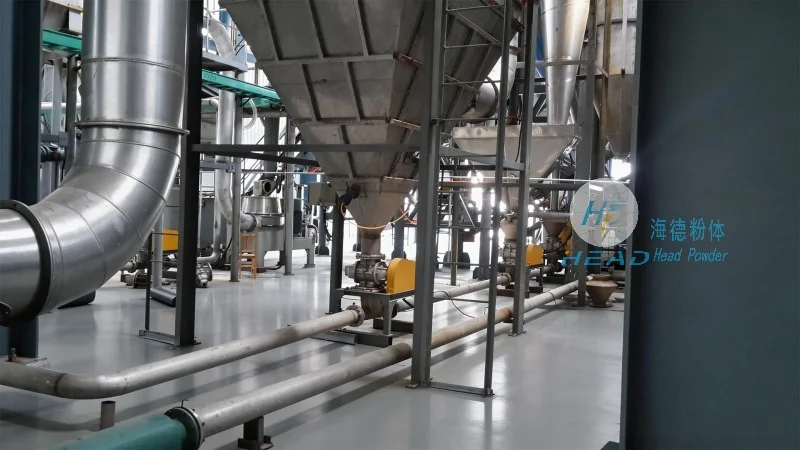
Molybdenum trioxide pneumatic conveying systems are widely used in various industrial settings, including chemical plants, metallurgical facilities, and research laboratories. In chemical plants, these systems are used to transport MoO₃ from storage silos to reactors or processing units, ensuring a continuous supply of raw material. In metallurgical facilities, the systems are employed in the production of molybdenum metal, where MoO₃ is reduced to molybdenum powder. The efficiency of the system directly impacts the overall production rate and cost-effectiveness of the process. HeadPowder's systems are known for their high throughput rates and low maintenance requirements, which contribute to improved operational efficiency and reduced downtime. Additionally, the systems are designed with safety features such as explosion-proof components and dust suppression mechanisms, ensuring compliance with industrial safety standards.
HeadPowder Engineering Co., Ltd., based in Shandong, China, is committed to providing tailored solutions for the pneumatic transport of molybdenum trioxide. The company's team of engineers and technicians works closely with clients to understand their specific requirements and develop customized systems. From initial design and engineering to installation and commissioning, HeadPowder offers comprehensive support throughout the entire project lifecycle. The company's expertise in material handling technology, combined with its understanding of MoO₃'s unique properties, enables it to deliver systems that are not only efficient but also reliable and safe. Clients can rely on HeadPowder's technical support team for ongoing maintenance, troubleshooting, and system upgrades, ensuring that their pneumatic conveying systems operate at peak performance.

 Shandong Headpowder Engineering Co., Ltd.
 156-6277-7102(Manager Zhang)
  0531-83386006
  Zhangqiu District, Jinan City, Shandong Province, China
telephone
WeChatconsult
top