With more than 10‑year industry experience, Shandong Headpowder delivers full‑service pneumatic‑conveying systems and blowers, undertaking nationwide turn‑key powder‑handling projects.
For industrial applications involving the handling of bamboo powder, efficient and reliable material transport is crucial. The bamboo powder pneumatic conveying system, developed by Shandong HeadPowder Engineering Co., Ltd., offers a sophisticated solution that integrates advanced engineering principles with practical operational considerations. This article explores the core principles behind such systems and highlights the key characteristics that define their effectiveness in various working environments.
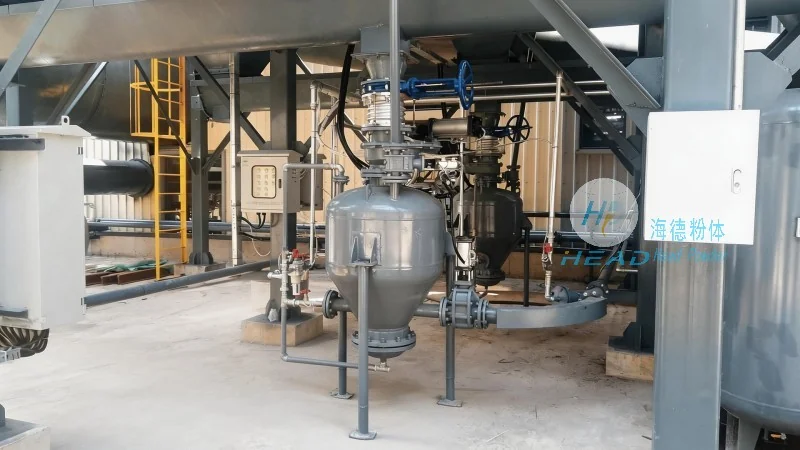
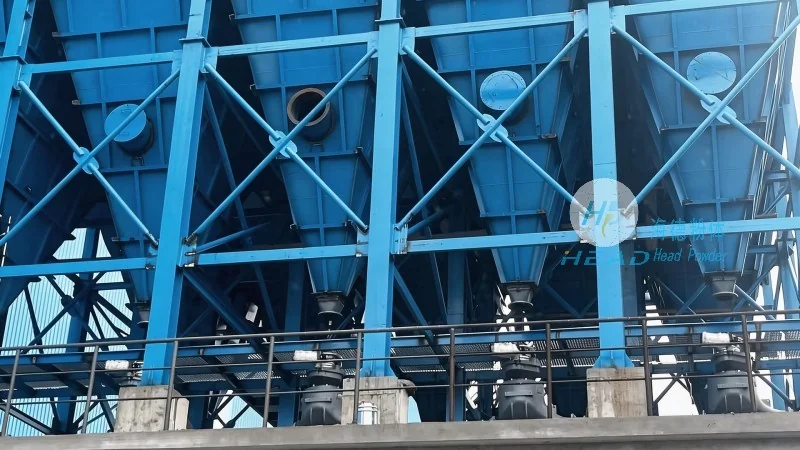
Bamboo powder, a common byproduct in the processing of bamboo for construction, paper, and other industries, requires specialized handling due to its fine particle size and potential for dust generation. Traditional methods like manual conveying or mechanical belts can be inefficient and pose health and safety risks. The pneumatic conveying system addresses these challenges by utilizing air pressure to transport the powder through a network of pipes, ensuring a clean, dust-free, and continuous flow of material. This technology is particularly valuable in industries where maintaining product purity and operational safety are paramount. The system's design is tailored to handle the unique properties of bamboo powder, such as its light weight and tendency to agglomerate, ensuring that the material is conveyed without degradation or loss of quality.
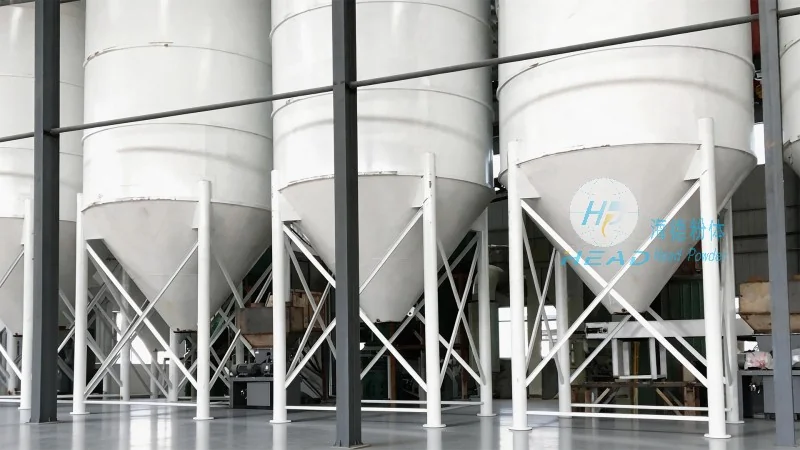
The fundamental principle of a pneumatic conveying system is the use of compressed air to create a flow that propels the bamboo powder particles through the system. The system typically consists of a hopper for material storage, a feeder to control the flow rate, a conveying line with appropriate diameter and length, and a receiver for the delivered material. The operation can be categorized into two main types: dilute phase and dense phase. Dilute phase systems use high-velocity air to suspend the particles, suitable for short distances (typically up to 100 meters) and low to medium material loads (up to several tons per hour). Dense phase systems, on the other hand, employ lower air velocities and higher material concentrations, ideal for longer distances (up to several hundred meters) and bulk material transport (higher tonnage rates). The choice between these phases depends on the specific requirements of the application, including the distance between the source and destination, the volume of material to be conveyed, and the need to minimize particle degradation or segregation. For bamboo powder, which is often transported over moderate distances in processing plants, a combination of both phases may be used, with dilute phase for initial transport and dense phase for longer segments to maintain efficiency and material integrity.
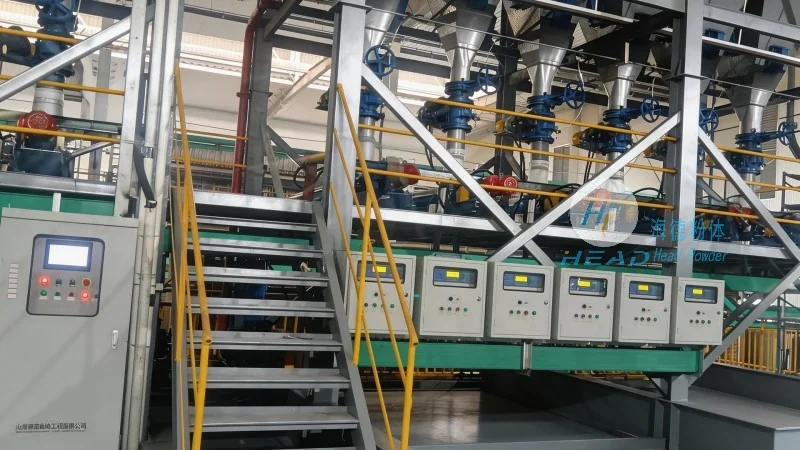
The effectiveness of a bamboo powder pneumatic conveying system is significantly influenced by its working scene characteristics. These include the physical layout of the facility, the type of equipment integrated into the system, and the operational parameters such as air pressure and flow rate. In industrial settings, the system must be adaptable to varying production rates and material properties. For example, in a bamboo processing plant, the system may need to handle different grades of powder, from fine to coarse, while maintaining consistent flow rates. The working scene also includes considerations for dust control and environmental compliance, as bamboo powder can be a respiratory hazard if not properly contained. The system's design must incorporate features like cyclones or filters to capture and recycle dust, ensuring that the operational environment remains safe and compliant with regulations. Additionally, the system's integration with other processing equipment, such as grinding or mixing machines, is critical for maintaining a seamless production line. The ability to adjust the conveying speed and pressure in real-time allows operators to optimize the process, reducing downtime and improving overall efficiency. In facilities where space is limited, the system's compact design and flexible pipe routing options are advantageous, allowing it to be installed in tight areas without compromising performance. The working scene also considers the impact of temperature and humidity on the material, as bamboo powder can absorb moisture, affecting its flow characteristics. The system's components, such as the hopper and feeder, are designed to prevent material buildup and ensure smooth operation under varying environmental conditions.

 Shandong Headpowder Engineering Co., Ltd.
 156-6277-7102(Manager Zhang)
  0531-83386006
  Zhangqiu District, Jinan City, Shandong Province, China
telephone
WeChatconsult
top