With more than 10‑year industry experience, Shandong Headpowder delivers full‑service pneumatic‑conveying systems and blowers, undertaking nationwide turn‑key powder‑handling projects.
Alumina, a critical material in various industrial applications, often requires efficient and reliable transport methods to ensure consistent quality and process efficiency. The pneumatic conveying system for alumina particles offers a sophisticated solution that addresses the unique challenges associated with handling this abrasive and high-value material. This article explores the fundamental principles behind such systems and highlights the key working scene characteristics that make them suitable for diverse industrial environments.
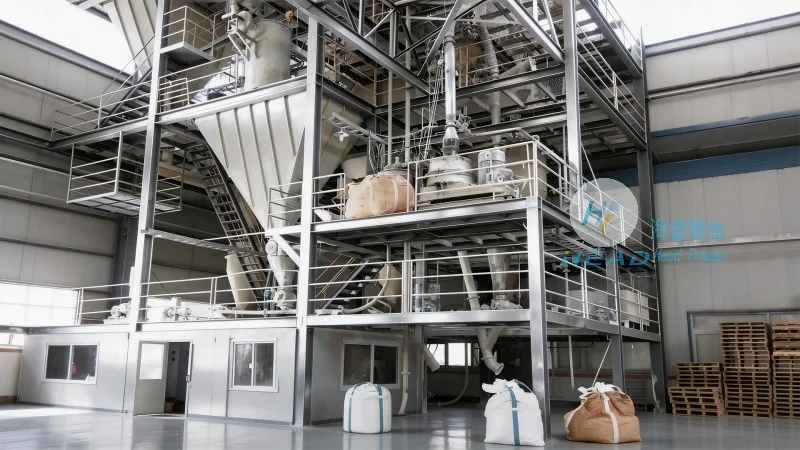
HeadPowder, a leading provider in the field of material handling solutions, specializes in designing and manufacturing advanced pneumatic conveying systems tailored to the needs of the alumina industry. With a strong presence in Shandong, China, the company combines technical expertise and practical experience to deliver systems that enhance operational efficiency and safety. The company’s commitment to quality and innovation has established it as a trusted partner for businesses seeking reliable alumina transport solutions.
The core principle of a pneumatic conveying system involves the use of air or gas to transport solid particles through a pipeline. In the case of alumina particles, the system typically operates under positive pressure, where compressed air is introduced to move the material from the source to the destination. This method eliminates the need for mechanical components like belts or buckets, reducing maintenance costs and minimizing the risk of material contamination. The system’s design considers factors such as particle size, density, and flow characteristics to optimize air velocity and pressure, ensuring smooth and continuous transport.
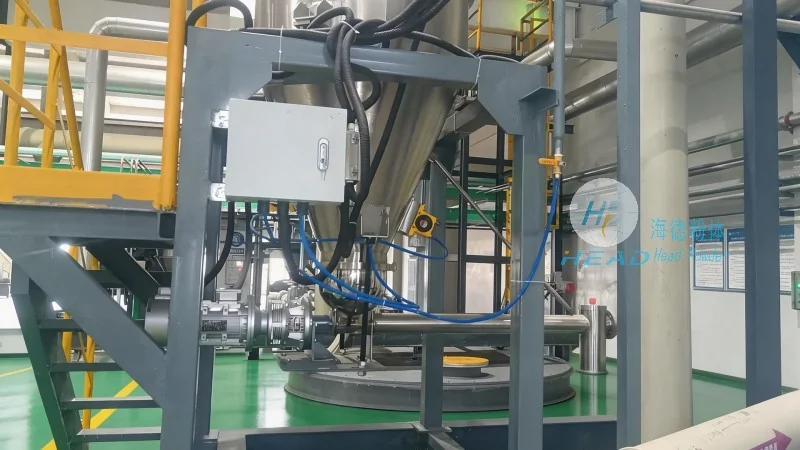
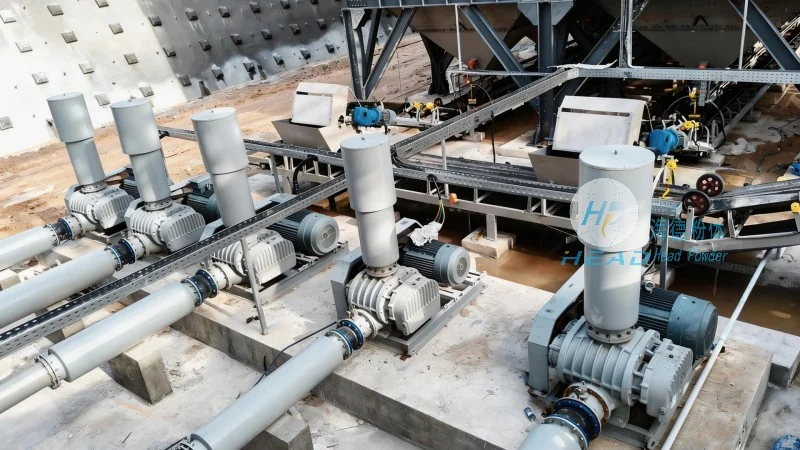
A pneumatic conveying system for alumina particles consists of several critical components that work in tandem to achieve efficient transport. These include the material feed hopper, which stores and regulates the flow of alumina; the air compressor or blower, which generates the necessary pressure to move the particles; the conveying pipeline, which provides the path for the material and air; and the receiving hopper or silo, where the alumina is deposited. Additionally, the system may incorporate features like cyclones for separation, filters to remove dust, and control valves to manage air pressure and flow rates. Each component is carefully selected and integrated to ensure the system operates at peak performance, minimizing energy consumption and maximizing material throughput.
The working scene characteristics of alumina particle pneumatic conveying systems are tailored to meet the specific demands of industrial applications. These systems are commonly used in environments where alumina is produced, such as mining and processing facilities, as well as in downstream applications like ceramic manufacturing, chemical processing, and pharmaceutical production. The systems are designed to handle varying particle sizes, from fine powders to larger granules, and can operate in both continuous and batch modes depending on the process requirements. The working environment is typically characterized by high material purity requirements, as alumina is often used in applications where contamination is unacceptable. Therefore, the system must incorporate dust control measures and material separation techniques to maintain product quality. Additionally, the systems are engineered for durability and resistance to corrosion, as alumina particles can be abrasive and may cause wear on system components over time.
Implementing a pneumatic conveying system for alumina particles offers several advantages that enhance operational efficiency and product quality. The primary benefit is the reduction in material handling time and labor costs, as the system automates the transport process. Additionally, the system minimizes material loss and contamination, which is crucial for high-value alumina applications. The compact design of the system allows for flexible installation in various industrial settings, and the ability to operate in different modes (e.g., pressure or vacuum) provides versatility for diverse processes. In the alumina industry, these systems are widely used in applications such as raw material transport from storage to processing lines, intermediate product transfer between production stages, and final product packaging. The systems are also suitable for handling alumina in hazardous environments, where the enclosed nature of the pipeline reduces the risk of dust explosions and improves worker safety.
Alumina particle pneumatic conveying systems, as developed by companies like Shandong HeadPowder Engineering Co., Ltd., represent a sophisticated and efficient solution for handling this critical material. By leveraging the principles of pneumatic transport and incorporating advanced design features, these systems address the unique challenges of alumina processing, ensuring consistent quality, operational efficiency, and safety. The working scene characteristics, including the system’s adaptability to various particle sizes and operational modes, make it a versatile choice for diverse industrial applications. As the demand for high-quality alumina continues to grow, the adoption of such advanced material handling systems will play a crucial role in meeting the needs of the industry.

 Shandong Headpowder Engineering Co., Ltd.
 156-6277-7102(Manager Zhang)
  0531-83386006
  Zhangqiu District, Jinan City, Shandong Province, China
telephone
WeChatconsult
top